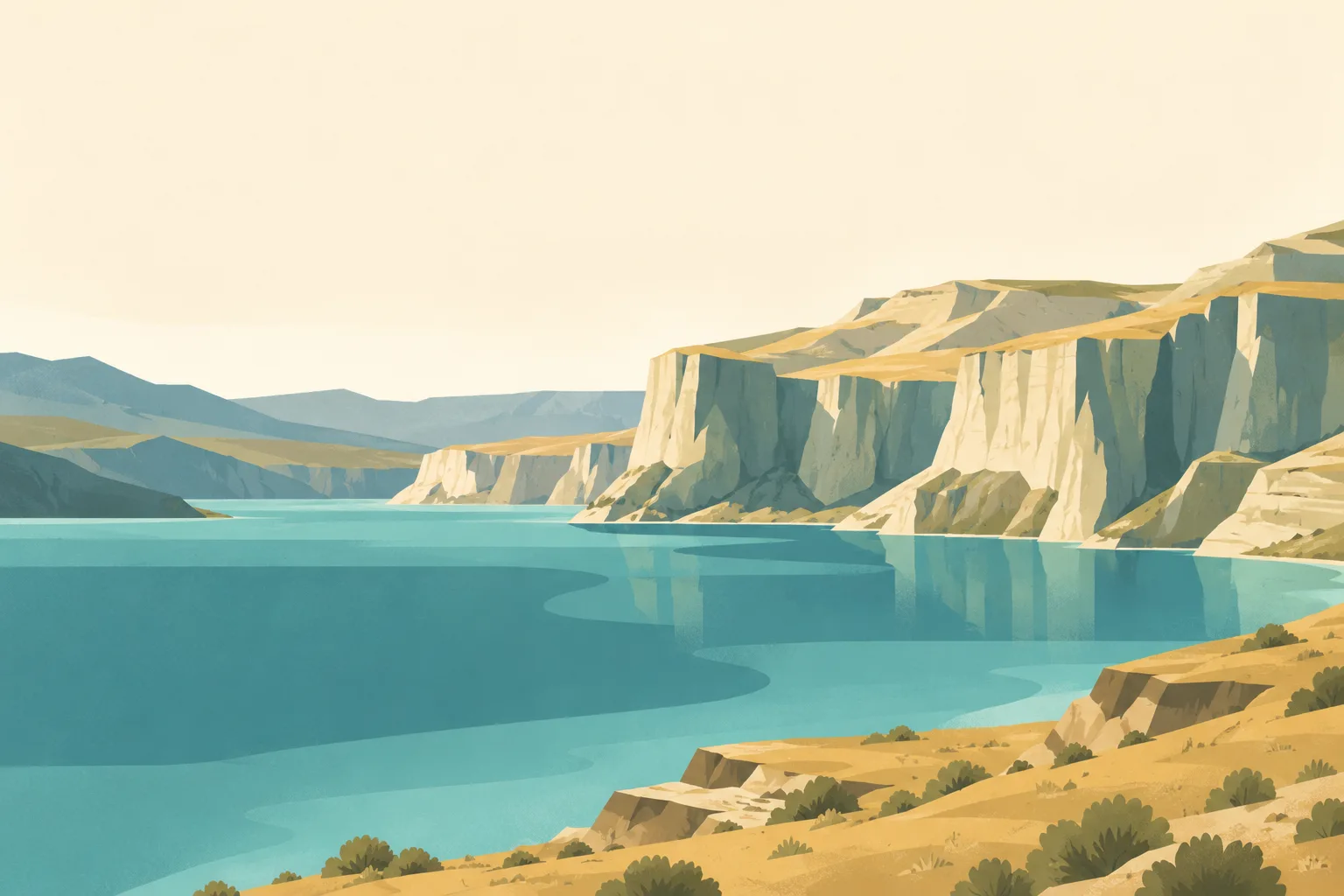


Bamiyan: what to expect
The destroyed Buddha niches and surrounding caves are archaeological and cultural landscapes, not a restored monument. Cliffs and excavation zones are not unrestricted walking terrain. This chapter explains geographic and access context. FCDO advises against all travel to Afghanistan. Detention risks, volatile security, restrictions affecting women and limited British consular help make this a reference guide rather than a leisure itinerary.
Before making plans
Travel advice
FCDO advises against all travel to Afghanistan. Detention risks, volatile security, restrictions affecting women and limited British consular help make this a reference guide rather than a leisure itinerary.
Source reviewed 2026-10-25; check the latest advice before booking.
Check your own government's advice for your destination and route. Safety advice is separate from entry permission. Entry requirements and consular support depend on your passport and circumstances.
The European Commission links to advice from each EU country's foreign ministry. UK and US advice is written for their own nationals; choose your destination in the US directory.
Is this your trip?
Who Bamiyan is for
Geographic and cultural research
The destroyed Buddha niches and surrounding caves are archaeological and cultural landscapes, not a restored monument. Cliffs and excavation zones are not unrestricted walking terrain.
Access assessment
FCDO advises against all travel to Afghanistan. Detention risks, volatile security, restrictions affecting women and limited consular help make this a reference guide rather than a leisure itinerary. The destroyed Buddha niches and surrounding caves are archaeological and cultural landscapes, not a restored monument. Cliffs and excavation zones are not unrestricted walking terrain.
Supported operations only
No public route or transport network is offered. FCDO advises against all travel to Afghanistan. Detention risks, volatile security, restrictions affecting women and limited consular help make this a reference guide rather than a leisure itinerary.
Conservation and community context
Place names are not permission to enter, an assurance of safety or an offer of visitor services.
Maybe not for you: FCDO advises against all travel to Afghanistan. Detention risks, volatile security, restrictions affecting women and limited consular help make this a reference guide rather than a leisure itinerary. The destroyed Buddha niches and surrounding caves are archaeological and cultural landscapes, not a restored monument. Cliffs and excavation zones are not unrestricted walking terrain.
Season by season
When to visit Bamiyan
June–September. Rounded cold-continental planning normals: a short mild summer and a long, reliably cold winter. Conditions can still change sharply by elevation, coast and exposure, so use the chart for route timing and the current forecast for the day itself.
- Mixed
Spring
April–May
Snowmelt and fast-changing conditions make routes muddy before landscapes turn green.
- Best
Summer
June–August
Long daylight and the easiest access, with mosquitoes around forest and lake country.
- Good
Autumn
September–October
Clear air and colour arrive early; services begin reducing soon afterwards.
- Good
Winter
November–March
Deep cold and snow suit deliberate winter trips, not casual road itineraries.
Weather · monthly normals
Rounded cold-continental planning normals: a short mild summer and a long, reliably cold winter. Values are rounded planning normals rather than a live forecast.
Do fewer things better
Geographic and cultural context for Bamiyan
Named areas provide orientation. They do not establish current access, safety or available activities.
- 1
Context: Buddha niches
Buddha niches
The destroyed Buddha niches and surrounding caves are archaeological and cultural landscapes, not a restored monument. Cliffs and excavation zones are not unrestricted walking terrain. This named area is not a promised landing, stay or activity.
- 2
Context: Bamiyan caves
Bamiyan caves
The destroyed Buddha niches and surrounding caves are archaeological and cultural landscapes, not a restored monument. Cliffs and excavation zones are not unrestricted walking terrain. This named area is not a promised landing, stay or activity.
- 3
Context: Shahr-e Gholghola
Shahr-e Gholghola
The destroyed Buddha niches and surrounding caves are archaeological and cultural landscapes, not a restored monument. Cliffs and excavation zones are not unrestricted walking terrain. This named area is not a promised landing, stay or activity.
- 4
Context: Shahr-e Zuhak
Shahr-e Zuhak
The destroyed Buddha niches and surrounding caves are archaeological and cultural landscapes, not a restored monument. Cliffs and excavation zones are not unrestricted walking terrain. This named area is not a promised landing, stay or activity.
- 5
Context: Kakrak Valley
Kakrak Valley
The destroyed Buddha niches and surrounding caves are archaeological and cultural landscapes, not a restored monument. Cliffs and excavation zones are not unrestricted walking terrain. This named area is not a promised landing, stay or activity.
- 6
Context: Foladi Valley
Foladi Valley
The destroyed Buddha niches and surrounding caves are archaeological and cultural landscapes, not a restored monument. Cliffs and excavation zones are not unrestricted walking terrain. This named area is not a promised landing, stay or activity.
FCDO advises against all travel to Afghanistan. Detention risks, volatile security, restrictions affecting women and limited consular help make this a reference guide rather than a leisure itinerary. The destroyed Buddha niches and surrounding caves are archaeological and cultural landscapes, not a restored monument. Cliffs and excavation zones are not unrestricted walking terrain.
Area by area
The areas of Bamiyan
An orientation map near the published reference point. The chapters below explain regions or sites; the map does not locate indoor features or guarantee access.
| Area | What it is like | Why go |
|---|---|---|
1 Buddha niches reference context | The destroyed Buddha niches and surrounding caves are archaeological and cultural landscapes, not a restored monument. Cliffs and excavation zones are not unrestricted walking terrain. This named area is not a promised landing, stay or activity. | Use Buddha niches when reference context matters more than crossing the whole destination. |
2 Bamiyan caves reference context | The destroyed Buddha niches and surrounding caves are archaeological and cultural landscapes, not a restored monument. Cliffs and excavation zones are not unrestricted walking terrain. This named area is not a promised landing, stay or activity. | Use Bamiyan caves when reference context matters more than crossing the whole destination. |
3 Shahr-e Gholghola reference context | The destroyed Buddha niches and surrounding caves are archaeological and cultural landscapes, not a restored monument. Cliffs and excavation zones are not unrestricted walking terrain. This named area is not a promised landing, stay or activity. | Use Shahr-e Gholghola when reference context matters more than crossing the whole destination. |
4 Shahr-e Zuhak reference context | The destroyed Buddha niches and surrounding caves are archaeological and cultural landscapes, not a restored monument. Cliffs and excavation zones are not unrestricted walking terrain. This named area is not a promised landing, stay or activity. | Use Shahr-e Zuhak when reference context matters more than crossing the whole destination. |
5 Kakrak Valley reference context | The destroyed Buddha niches and surrounding caves are archaeological and cultural landscapes, not a restored monument. Cliffs and excavation zones are not unrestricted walking terrain. This named area is not a promised landing, stay or activity. | Use Kakrak Valley when reference context matters more than crossing the whole destination. |
6 Foladi Valley reference context | The destroyed Buddha niches and surrounding caves are archaeological and cultural landscapes, not a restored monument. Cliffs and excavation zones are not unrestricted walking terrain. This named area is not a promised landing, stay or activity. | Use Foladi Valley when reference context matters more than crossing the whole destination. |
Choose the base, then the hotel
Accommodation and support for Bamiyan
No public accommodation is implied; confirm any authorised support with the responsible authority.
Responsible authority
FCDO advises against all travel to Afghanistan. Detention risks, volatile security, restrictions affecting women and limited consular help make this a reference guide rather than a leisure itinerary. The destroyed Buddha niches and surrounding caves are archaeological and cultural landscapes, not a restored monument. Cliffs and excavation zones are not unrestricted walking terrain.
No public stay is implied
Research stations, religious precincts, protected areas and restricted communities are not hotels. Confirm any approved accommodation directly.
Complete supported arrangements
Check meals, safe water, dietary needs and contingency supplies with the authorised host or operator.
Confirmed logistics
No public route or transport network is offered. FCDO advises against all travel to Afghanistan. Detention risks, volatile security, restrictions affecting women and limited consular help make this a reference guide rather than a leisure itinerary.
Order with a point of view
Food context and provisions for Bamiyan
Food entries describe cultural traditions or expedition provisions; no public dining service is implied.
- 01
Qabili palaw
Cultural or provisioning context; no dining availability is implied
Rice with carrots, raisins and meat has many household versions.
- 02
Mantu
Cultural or provisioning context; no dining availability is implied
Steamed dumplings reflect regional food connections.
- 03
Ashak
Cultural or provisioning context; no dining availability is implied
Leek-filled dumplings are often served with yoghurt.
- 04
Bolani
Cultural or provisioning context; no dining availability is implied
Filled flatbread is a common snack.
- 05
Afghan naan
Cultural or provisioning context; no dining availability is implied
Bread accompanies meals and tea.
Useful on the ground
Local tips for Bamiyan
Plan the transfer, not only the distance
FCDO advises against all travel to Afghanistan. Detention risks, volatile security, restrictions affecting women and limited consular help make this a reference guide rather than a leisure itinerary. The destroyed Buddha niches and surrounding caves are archaeological and cultural landscapes, not a restored monument. Cliffs and excavation zones are not unrestricted walking terrain.
Entry and permissions
Check current official access advice and nationality-specific permission; no admission is implied. FCDO advises against all travel to Afghanistan. Detention risks, volatile security, restrictions affecting women and limited British consular help make this a reference guide rather than a leisure itinerary.
Currency and payments
Afghan afghani. No ordinary cash, ATM, shopping or hotel market is implied; quotations and payment arrangements belong to the authorised operation.
Offline information and communication
Download documents and essential contacts. Remote or disrupted networks may be unavailable; confirm the communications plan with the actual host or operator.
Power and charging
Confirm the accommodation or vessel supply and adapter requirements. No electricity, public charging or shore facility is implied in uninhabited or restricted areas.
Common questions
Quick answers about Bamiyan
- When is the best time to visit Bamiyan?
- June–September. Rounded cold-continental planning normals: a short mild summer and a long, reliably cold winter. Conditions can still change sharply by elevation, coast and exposure, so use the chart for route timing and the current forecast for the day itself.
- How many days do you need in Bamiyan?
- Reference chapter. The destroyed Buddha niches and surrounding caves are archaeological and cultural landscapes, not a restored monument. Cliffs and excavation zones are not unrestricted walking terrain. This chapter explains geographic and access context. FCDO advises against all travel to Afghanistan. Detention risks, volatile security, restrictions affecting women and limited British consular help make this a reference guide rather than a leisure itinerary.
- Where should you stay in Bamiyan?
- No public accommodation is implied; confirm any authorised support with the responsible authority.. FCDO advises against all travel to Afghanistan. Detention risks, volatile security, restrictions affecting women and limited consular help make this a reference guide rather than a leisure itinerary. The destroyed Buddha niches and surrounding caves are archaeological and cultural landscapes, not a restored monument. Cliffs and excavation zones are not unrestricted walking terrain.
Keep building the route
Bamiyan is part of Afghanistan
Use the country guide for visa, money, long-distance transport and the route between cities. Then compare the other worked-out stops below.