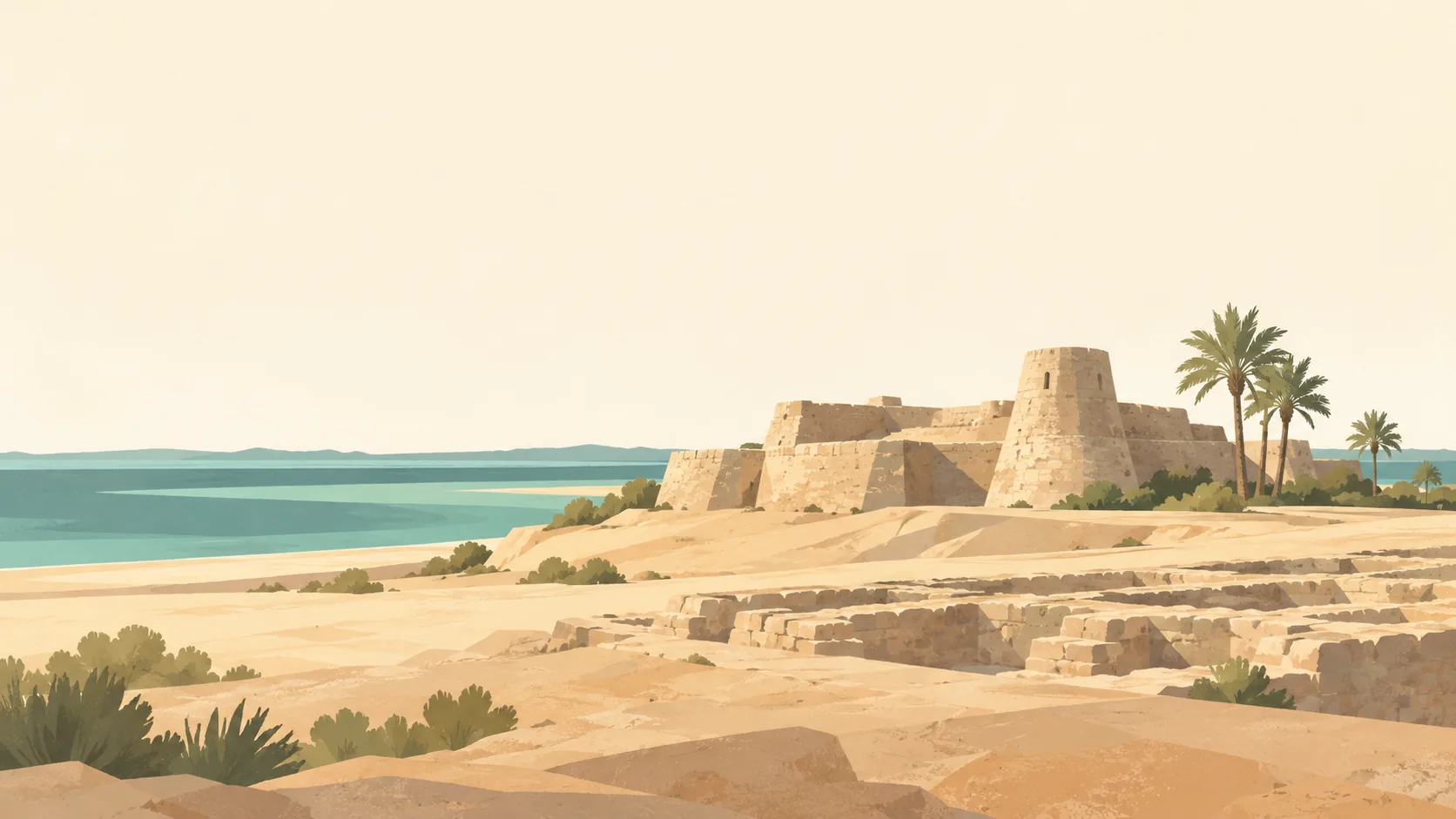


Muharraq: what to expect
Muharraq’s restored houses and pearling heritage make a coherent walking day. Individual buildings have different opening hours, so check before crossing the island. This city guide groups the destination into six useful areas so the stay works on the ground, not only on a country map.
Is this your trip?
Who Muharraq is for
Heritage walk travellers
Muharraq’s restored houses and pearling heritage make a coherent walking day. Individual buildings have different opening hours, so check before crossing the island.
Travellers with 1–2 days
That window gives Muharraq enough room for one anchor area and one contrasting cluster per day.
Historic interiors
Shaikh Isa house and Siyadi houses make that interest practical rather than a country-level promise.
Area-led planners
Six fixed clusters make it easier to choose a base and avoid repeated cross-destination transfers.
Maybe not for you: A compressed checklist is the weak version of Muharraq. Not every pearling building is open daily; confirm the route’s visitor arrangements.
Season by season
When to visit Muharraq
October–April. Rounded hot-desert planning normals: intense summer heat, cool winter nights and little reliable rain. Conditions can still change sharply by elevation, coast and exposure, so use the chart for route timing and the current forecast for the day itself.
- Best
Winter
December–February
Comfortable walking days and cool nights make this the easiest period.
- Best
Spring
March–April
Warm, mostly dry and increasingly hot by afternoon.
- Avoid
Summer
May–September
Extreme heat makes exposed days unsafe and shifts useful time to dawn and evening.
- Good
Autumn
October–November
Heat eases progressively and outdoor routes reopen into the main season.
Weather · monthly normals
Rounded hot-desert planning normals: intense summer heat, cool winter nights and little reliable rain. Values are rounded planning normals rather than a live forecast.
Do fewer things better
Things to do in Muharraq
A short, ordered set of experiences with the timing or planning catch that makes each one work.
- 1
Start with Pearling Path
Pearling Path
The route connects buildings associated with the pearl economy.
- 2
Walk Shaikh Isa house without stacking it
Shaikh Isa house
The restored house illustrates local domestic architecture.
- 3
Use Siyadi houses for merchant heritage
Siyadi houses
Merchant buildings connect trade with neighbourhood life.
- 4
Give Qaisariya souq a deliberate half-day
Qaisariya souq
Small shops retain an everyday commercial rhythm.
- 5
See Bu Mahir outside peak hours
Bu Mahir
The fort relates to the pearling route’s coastal end.
- 6
Keep Arad Fort weather-flexible
Arad Fort
A separate coastal fort adds a short outing.
Not every pearling building is open daily; confirm the route’s visitor arrangements.
Area by area
The neighbourhoods of Muharraq
A real map at local-city scale: enough geography to choose a base, compare areas and group a day. Numbered places match the notes below.
| Area | What it is like | Why go |
|---|---|---|
1 Pearling Path heritage walk | The route connects buildings associated with the pearl economy. | Use Pearling Path when heritage walk matters more than crossing the whole destination. |
2 Shaikh Isa house historic interiors | The restored house illustrates local domestic architecture. | Use Shaikh Isa house when historic interiors matters more than crossing the whole destination. |
3 Siyadi houses merchant heritage | Merchant buildings connect trade with neighbourhood life. | Use Siyadi houses when merchant heritage matters more than crossing the whole destination. |
4 Qaisariya souq market | Small shops retain an everyday commercial rhythm. | Use Qaisariya souq when market matters more than crossing the whole destination. |
5 Bu Mahir maritime history | The fort relates to the pearling route’s coastal end. | Use Bu Mahir when maritime history matters more than crossing the whole destination. |
6 Arad Fort fortress exterior | A separate coastal fort adds a short outing. | Use Arad Fort when fortress exterior matters more than crossing the whole destination. |
Choose the base, then the hotel
Where to stay in Muharraq
For most first visits: Pearling Path for heritage walk.
Pearling Path
The route connects buildings associated with the pearl economy. Choose it when that trade-off should shape mornings and evenings.
Shaikh Isa house
The restored house illustrates local domestic architecture. Choose it when that trade-off should shape mornings and evenings.
Siyadi houses
Merchant buildings connect trade with neighbourhood life. Choose it when that trade-off should shape mornings and evenings.
Qaisariya souq
Small shops retain an everyday commercial rhythm. Choose it when that trade-off should shape mornings and evenings.
Order with a point of view
What to eat in Muharraq
Local food is more useful as an area decision than as a checklist of famous dishes.
- 01
Machboos
Pearling Path
Spiced rice and meat or fish are a central Gulf meal.
- 02
Muhammar
Shaikh Isa house
Sweetened rice is often paired with fish.
- 03
Balaleet
Siyadi houses
Sweet vermicelli and egg make a distinctive breakfast.
- 04
Bahraini halwa
Qaisariya souq
A dense spiced sweet is associated with family visits and local shops.
- 05
Khubz and breakfast beans
Bu Mahir
Fresh flatbread and a simple breakfast are a good souq start.
Useful on the ground
Local tips for Muharraq
Plan the transfer, not only the distance
Not every pearling building is open daily; confirm the route’s visitor arrangements.
Check entry before buying flights
Check current e-visa or visa-on-arrival eligibility with the official immigration service for your passport. Regional events can affect flights and crossings at short notice; check travel advice before committing.
Bahraini dinar and payments
Carry local cash for small restaurants, markets and transport. Confirm card acceptance and ATM access with remote accommodation before leaving the main arrival town.
Coverage and offline planning
Download maps, booking details and essential contacts before leaving Wi-Fi. Check roaming charges and local SIM registration requirements; remote routes may have no signal.
Type G sockets
230 V, 50 Hz; bring a British-style three-pin adapter.
Common questions
Quick answers about Muharraq
- When is the best time to visit Muharraq?
- October–April. Rounded hot-desert planning normals: intense summer heat, cool winter nights and little reliable rain. Conditions can still change sharply by elevation, coast and exposure, so use the chart for route timing and the current forecast for the day itself.
- How many days do you need in Muharraq?
- 1–2 days. Muharraq’s restored houses and pearling heritage make a coherent walking day. Individual buildings have different opening hours, so check before crossing the island. This city guide groups the destination into six useful areas so the stay works on the ground, not only on a country map.
- Where should you stay in Muharraq?
- Pearling Path for heritage walk. The route connects buildings associated with the pearl economy. Choose it when that trade-off should shape mornings and evenings.
Keep building the route
Muharraq is part of Bahrain
Use the country guide for visa, money, long-distance transport and the route between cities. Then compare the other worked-out stops below.