
Bruges: what to expect
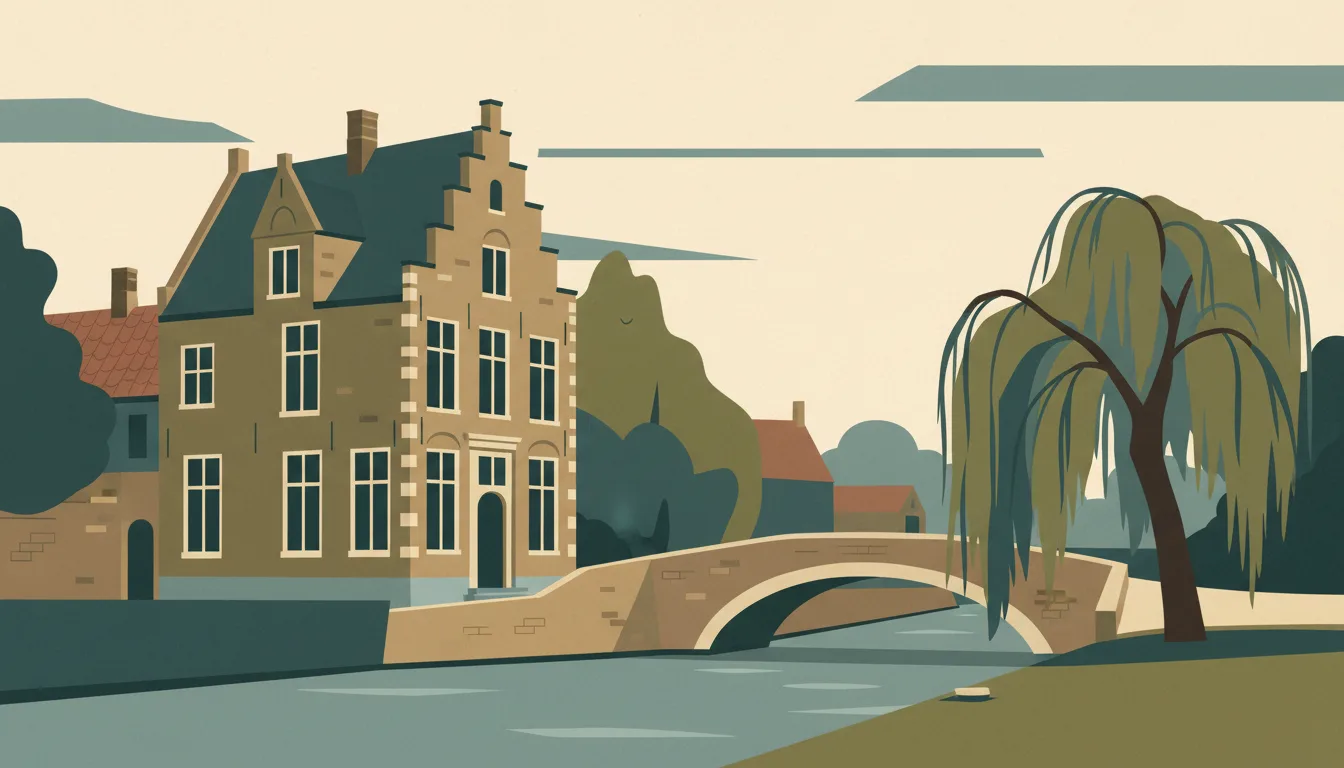
Bruges is small enough to walk in an afternoon and busy enough that an overnight matters: early mornings and evenings return the canals to something like calm, and the Groeninge and Sint-Jan collections are world class. This city guide groups the destination into six useful areas so the stay works on the ground, not only on a country map.
Is this your trip?
Who Bruges is for
History travellers
Bruges is small enough to walk in an afternoon and busy enough that an overnight matters: early mornings and evenings return the canals to something like calm, and the Groeninge and Sint-Jan collections are world class.
Travellers with 1–2 days
That window gives Bruges enough room for one anchor area and one contrasting cluster per day.
Flemish Primitives
Groeninge & Sint-Jan and Rozenhoedkaai & the canals make that interest practical rather than a country-level promise.
Area-led planners
Six fixed clusters make it easier to choose a base and avoid repeated cross-destination transfers.
Maybe not for you: A compressed checklist is the weak version of Bruges. Treat the suggested stay as time on the ground: weather, timed entry, ferries or mountain roads can remove half a day.
Season by season
When to visit Bruges
May–September. Rounded oceanic planning normals: modest temperature swings and rain possible in every month. Conditions can still change sharply by elevation, coast and exposure, so use the chart for route timing and the current forecast for the day itself.
- Good
Spring
March–May
Longer days and fresh landscapes, with changeable rain and cool evenings.
- Best
Summer
June–August
The warmest and longest days; book popular weekends and outdoor bases early.
- Good
Autumn
September–November
Good early colour and fewer visitors before wetter, shorter days settle in.
- Mixed
Winter
December–February
Cool, damp and dark, although cities retain strong indoor culture.
Weather · monthly normals
Rounded oceanic planning normals: modest temperature swings and rain possible in every month. Values are rounded planning normals rather than a live forecast.
Do fewer things better
Things to do in Bruges
A short, ordered set of experiences with the timing or planning catch that makes each one work.
- 1
Start with Markt & Burg
Markt & Burg
The Belfry, the Basilica of the Holy Blood and the city hall on two adjoining squares
- 2
Walk Groeninge & Sint-Jan without stacking it
Groeninge & Sint-Jan
Van Eyck and Memling in two museums within a few hundred metres of each other
- 3
Use Rozenhoedkaai & the canals for classic views and boats
Rozenhoedkaai & the canals
The most photographed quay; boat tours leave from several nearby landings
- 4
Give Begijnhof & Minnewater a deliberate half-day
Begijnhof & Minnewater
The whitewashed beguinage courtyard and the lake park at the southern end of the old town
- 5
See Sint-Anna quarter outside peak hours
Sint-Anna quarter
Quiet eastern district with the Jerusalem Chapel, lace centre and the ramparts' four windmills
- 6
Keep Damme weather-flexible
Damme
A flat 6-kilometre ride or boat along the Damse Vaart to a small medieval town
Treat the suggested stay as time on the ground: weather, timed entry, ferries or mountain roads can remove half a day.
Area by area
The neighbourhoods of Bruges
A real map at local-city scale: enough geography to choose a base, compare areas and group a day. Numbered places match the notes below.
| Area | What it is like | Why go |
|---|---|---|
1 Markt & Burg first history and towers | The Belfry, the Basilica of the Holy Blood and the city hall on two adjoining squares | Use Markt & Burg when first history and towers matters more than crossing the whole destination. |
2 Groeninge & Sint-Jan Flemish Primitives | Van Eyck and Memling in two museums within a few hundred metres of each other | Use Groeninge & Sint-Jan when Flemish Primitives matters more than crossing the whole destination. |
3 Rozenhoedkaai & the canals classic views and boats | The most photographed quay; boat tours leave from several nearby landings | Use Rozenhoedkaai & the canals when classic views and boats matters more than crossing the whole destination. |
4 Begijnhof & Minnewater calm walking | The whitewashed beguinage courtyard and the lake park at the southern end of the old town | Use Begijnhof & Minnewater when calm walking matters more than crossing the whole destination. |
5 Sint-Anna quarter local streets and windmills | Quiet eastern district with the Jerusalem Chapel, lace centre and the ramparts' four windmills | Use Sint-Anna quarter when local streets and windmills matters more than crossing the whole destination. |
6 Damme cycling and a canal village | A flat 6-kilometre ride or boat along the Damse Vaart to a small medieval town | Use Damme when cycling and a canal village matters more than crossing the whole destination. |
Choose the base, then the hotel
Where to stay in Bruges
For most first visits: Markt & Burg for first history and towers.
Markt & Burg
The Belfry, the Basilica of the Holy Blood and the city hall on two adjoining squares Choose it when that trade-off should shape mornings and evenings.
Groeninge & Sint-Jan
Van Eyck and Memling in two museums within a few hundred metres of each other Choose it when that trade-off should shape mornings and evenings.
Rozenhoedkaai & the canals
The most photographed quay; boat tours leave from several nearby landings Choose it when that trade-off should shape mornings and evenings.
Begijnhof & Minnewater
The whitewashed beguinage courtyard and the lake park at the southern end of the old town Choose it when that trade-off should shape mornings and evenings.
Order with a point of view
What to eat in Bruges
Local food is more useful as an area decision than as a checklist of famous dishes.
- 01
Frites from a frituur
Markt & Burg
Twice-fried in beef fat and served in a cone with sauce; choose the stall with the longest local queue
- 02
Moules-frites or waterzooi
Groeninge & Sint-Jan
Mussels in season from September and Ghent's creamy chicken or fish stew are the two classic plates
- 03
Trappist and lambic beer
Rozenhoedkaai & the canals
Abbey-brewed and spontaneously fermented beers are regional heritage; order the designated glass and drink slowly
- 04
Chocolatier pralines
Begijnhof & Minnewater
Buy from a maker who works on site rather than the Grand-Place chains; the pralines are the point
- 05
Liège or Brussels waffle
Sint-Anna quarter
The dense caramelised Liège waffle and the light rectangular Brussels one are different foods, both eaten warm
Useful on the ground
Local tips for Bruges
Plan the transfer, not only the distance
Treat the suggested stay as time on the ground: weather, timed entry, ferries or mountain roads can remove half a day.
Schengen rules apply
Belgium is in the Schengen area; check current visa-free eligibility, the 90-in-180-day rule and the rollout of the ETIAS travel authorisation for your passport.
Cards work almost everywhere
Contactless payment is standard, including on trains and in frituren; carry a little cash for markets and small Ardennes cafés. Prices include VAT and service.
EU roaming and good coverage
EU SIMs roam at no extra cost; other travellers can use an eSIM. Rail stations and most cafés have Wi-Fi and coverage only dips in Ardennes valleys.
Type E sockets
Belgium uses 230 V with round two-pin sockets that have an earthing pin; Type C plugs fit, UK and US plugs need an adapter.
Common questions
Quick answers about Bruges
- When is the best time to visit Bruges?
- May–September. Rounded oceanic planning normals: modest temperature swings and rain possible in every month. Conditions can still change sharply by elevation, coast and exposure, so use the chart for route timing and the current forecast for the day itself.
- How many days do you need in Bruges?
- 1–2 days. Bruges is small enough to walk in an afternoon and busy enough that an overnight matters: early mornings and evenings return the canals to something like calm, and the Groeninge and Sint-Jan collections are world class. This city guide groups the destination into six useful areas so the stay works on the ground, not only on a country map.
- Where should you stay in Bruges?
- Markt & Burg for first history and towers. The Belfry, the Basilica of the Holy Blood and the city hall on two adjoining squares Choose it when that trade-off should shape mornings and evenings.
Keep building the route
Bruges is part of Belgium
Use the country guide for visa, money, long-distance transport and the route between cities. Then compare the other worked-out stops below.