

Rarotonga: Muri & the east: what to expect
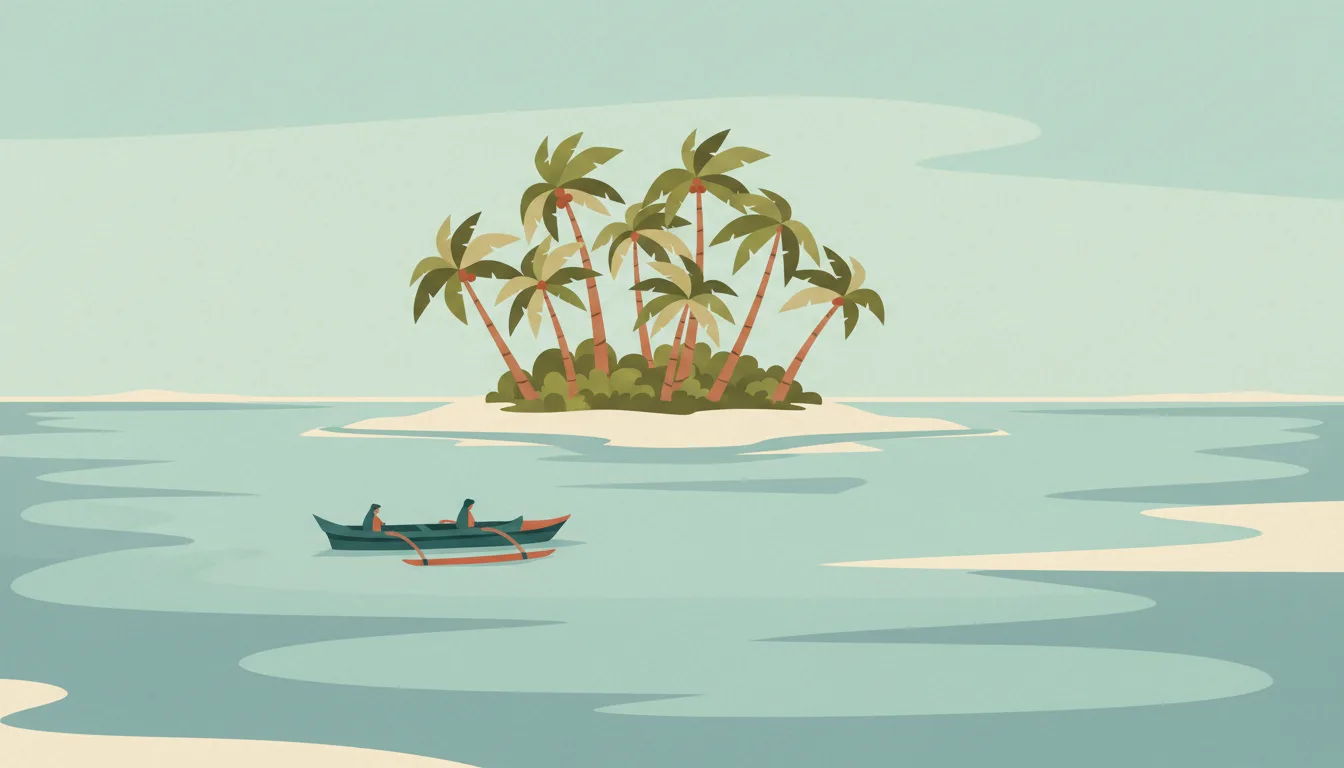
Muri's shallow lagoon with its four islets is where most visitors stay, kayak, paddleboard and take lagoon cruises. The Muri night market, Ngatangiia harbour and Titikaveka's snorkelling beaches are all along the same stretch of the ring road. This travel base guide groups the destination into six useful areas so the stay works on the ground, not only on a country map.
Is this your trip?
Who Rarotonga: Muri & the east is for
Lagoon travellers
Muri's shallow lagoon with its four islets is where most visitors stay, kayak, paddleboard and take lagoon cruises. The Muri night market, Ngatangiia harbour and Titikaveka's snorkelling beaches are all along the same stretch of the ring road.
Travellers with 3–4 days
That window gives Rarotonga: Muri & the east enough room for one anchor area and one contrasting cluster per day.
Evening food
Muri night market and Ngatangiia make that interest practical rather than a country-level promise.
Area-led planners
Six fixed clusters make it easier to choose a base and avoid repeated cross-destination transfers.
Maybe not for you: A compressed checklist is the weak version of Rarotonga: Muri & the east. Treat the suggested stay as time on the ground: weather, timed entry, ferries or mountain roads can remove half a day.
Season by season
When to visit Rarotonga: Muri & the east
November–February. Rounded tropical-monsoon planning normals: hot year-round, with a pronounced wet season. Conditions can still change sharply by elevation, coast and exposure, so use the chart for route timing and the current forecast for the day itself.
- Best
Cooler dry
November–February
Lower humidity and rain make this the easiest period, also the busiest.
- Mixed
Hot season
March–May
Very hot afternoons reward early starts, shade and a slower pace.
- Good
Wet season
June–October
Short intense rain and occasional disruption come with greener landscapes and value.
- Mixed
Peak rain
August–September
Build weather margin into road, boat and outdoor days.
Weather · monthly normals
Rounded tropical-monsoon planning normals: hot year-round, with a pronounced wet season. Values are rounded planning normals rather than a live forecast.
Do fewer things better
Things to do in Rarotonga: Muri & the east
A short, ordered set of experiences with the timing or planning catch that makes each one work.
- 1
Start with Muri beach
Muri beach
The shallow lagoon with four islets, kayaks, paddleboards and most of the island's accommodation
- 2
Walk Muri night market without stacking it
Muri night market
Stalls several nights a week serving fish, curries and local dishes at fair prices
- 3
Use Ngatangiia for harbour and vaka history
Ngatangiia
The passage from which the great canoes are said to have left for New Zealand
- 4
Give Titikaveka a deliberate half-day
Titikaveka
The south coast's clearest lagoon water at Fruits of Rarotonga and Aroa
- 5
See Avana passage outside peak hours
Avana passage
Strong currents where the lagoon meets the ocean; stay inside the marked areas
- 6
Keep Koromiri and the motu weather-flexible
Koromiri and the motu
Lagoon cruises and self-paddled crossings to the islets for snorkelling and lunch
Treat the suggested stay as time on the ground: weather, timed entry, ferries or mountain roads can remove half a day.
Area by area
The areas of Rarotonga: Muri & the east
A real map at local-city scale: enough geography to choose a base, compare areas and group a day. Numbered places match the notes below.
| Area | What it is like | Why go |
|---|---|---|
1 Muri beach lagoon and motu | The shallow lagoon with four islets, kayaks, paddleboards and most of the island's accommodation | Use Muri beach when lagoon and motu matters more than crossing the whole destination. |
2 Muri night market evening food | Stalls several nights a week serving fish, curries and local dishes at fair prices | Use Muri night market when evening food matters more than crossing the whole destination. |
3 Ngatangiia harbour and vaka history | The passage from which the great canoes are said to have left for New Zealand | Use Ngatangiia when harbour and vaka history matters more than crossing the whole destination. |
4 Titikaveka snorkelling beaches | The south coast's clearest lagoon water at Fruits of Rarotonga and Aroa | Use Titikaveka when snorkelling beaches matters more than crossing the whole destination. |
5 Avana passage kayak caution | Strong currents where the lagoon meets the ocean; stay inside the marked areas | Use Avana passage when kayak caution matters more than crossing the whole destination. |
6 Koromiri and the motu day trips | Lagoon cruises and self-paddled crossings to the islets for snorkelling and lunch | Use Koromiri and the motu when day trips matters more than crossing the whole destination. |
Choose the base, then the hotel
Where to stay in Rarotonga: Muri & the east
For most first visits: Muri beach for lagoon and motu.
Muri beach
The shallow lagoon with four islets, kayaks, paddleboards and most of the island's accommodation Choose it when that trade-off should shape mornings and evenings.
Muri night market
Stalls several nights a week serving fish, curries and local dishes at fair prices Choose it when that trade-off should shape mornings and evenings.
Ngatangiia
The passage from which the great canoes are said to have left for New Zealand Choose it when that trade-off should shape mornings and evenings.
Titikaveka
The south coast's clearest lagoon water at Fruits of Rarotonga and Aroa Choose it when that trade-off should shape mornings and evenings.
Order with a point of view
What to eat in Rarotonga: Muri & the east
Local food is more useful as an area decision than as a checklist of famous dishes.
- 01
Ika mata
Muri beach
Raw tuna or reef fish in lime and coconut cream, sold at the Punanga Nui market and every café
- 02
Umukai feast
Muri night market
Pork, taro, kumara and rukau taro leaves cooked in an umu earth oven at an island night or Sunday lunch
- 03
Rukau
Ngatangiia
Young taro leaves cooked in coconut cream, the essential side dish at any feast
- 04
Poke
Titikaveka
Baked pawpaw or banana pudding thickened with arrowroot and coconut cream, sold at markets in banana leaves
- 05
Fresh fish and island produce at the night market
Avana passage
Muri's evening stalls serve fish, curries and local vegetables at the best prices on Rarotonga
Useful on the ground
Local tips for Rarotonga: Muri & the east
Plan the transfer, not only the distance
Treat the suggested stay as time on the ground: weather, timed entry, ferries or mountain roads can remove half a day.
Cook Islands rules, not New Zealand's
Visitors from most countries receive 31 days on arrival with a return ticket and confirmed accommodation, extendable in Avarua; New Zealand citizens get 90 days. Holding a New Zealand visa does not grant entry, and transit through Auckland may need its own NZeTA. Confirm with Cook Islands Immigration before booking.
New Zealand dollars, with local coins
The New Zealand dollar is legal tender and the Cook Islands issue their own coins and some notes at par, including a triangular two-dollar coin that cannot be exchanged abroad. ATMs exist on Rarotonga and Aitutaki only; every other island is cash only, so withdraw before you fly.
Vodafone Cook Islands SIM
Prepaid SIMs and eSIMs are sold at the airport and in Avarua and cover Rarotonga and Aitutaki well; Atiu, Mangaia and the north have limited or satellite-only service and Wi-Fi is metered.
Type I sockets on 240 V
New Zealand and Australian three-flat-pin plugs; outer-island guesthouses may have limited sockets and evening-only power on the atolls.
Common questions
Quick answers about Rarotonga: Muri & the east
- When is the best time to visit Rarotonga: Muri & the east?
- November–February. Rounded tropical-monsoon planning normals: hot year-round, with a pronounced wet season. Conditions can still change sharply by elevation, coast and exposure, so use the chart for route timing and the current forecast for the day itself.
- How many days do you need in Rarotonga: Muri & the east?
- 3–4 days. Muri's shallow lagoon with its four islets is where most visitors stay, kayak, paddleboard and take lagoon cruises. The Muri night market, Ngatangiia harbour and Titikaveka's snorkelling beaches are all along the same stretch of the ring road. This travel base guide groups the destination into six useful areas so the stay works on the ground, not only on a country map.
- Where should you stay in Rarotonga: Muri & the east?
- Muri beach for lagoon and motu. The shallow lagoon with four islets, kayaks, paddleboards and most of the island's accommodation Choose it when that trade-off should shape mornings and evenings.
Keep building the route
Rarotonga: Muri & the east is part of Cook Islands
Use the country guide for visa, money, long-distance transport and the route between cities. Then compare the other worked-out stops below.
- Rarotonga: Avarua & the northCapital town, Saturday market and the Cross-Island Track
- AitutakiThe lagoon of the South Pacific and One Foot Island
- AtiuRaised coral island of caves, coffee and kopeka birds
- Mangaia & the southern groupThe oldest island in the Pacific, plus Mauke and Mitiaro
- The northern atolls: Manihiki & PenrhynBlack-pearl atolls of the northern group, with access caveats