
Trinidad: what to expect
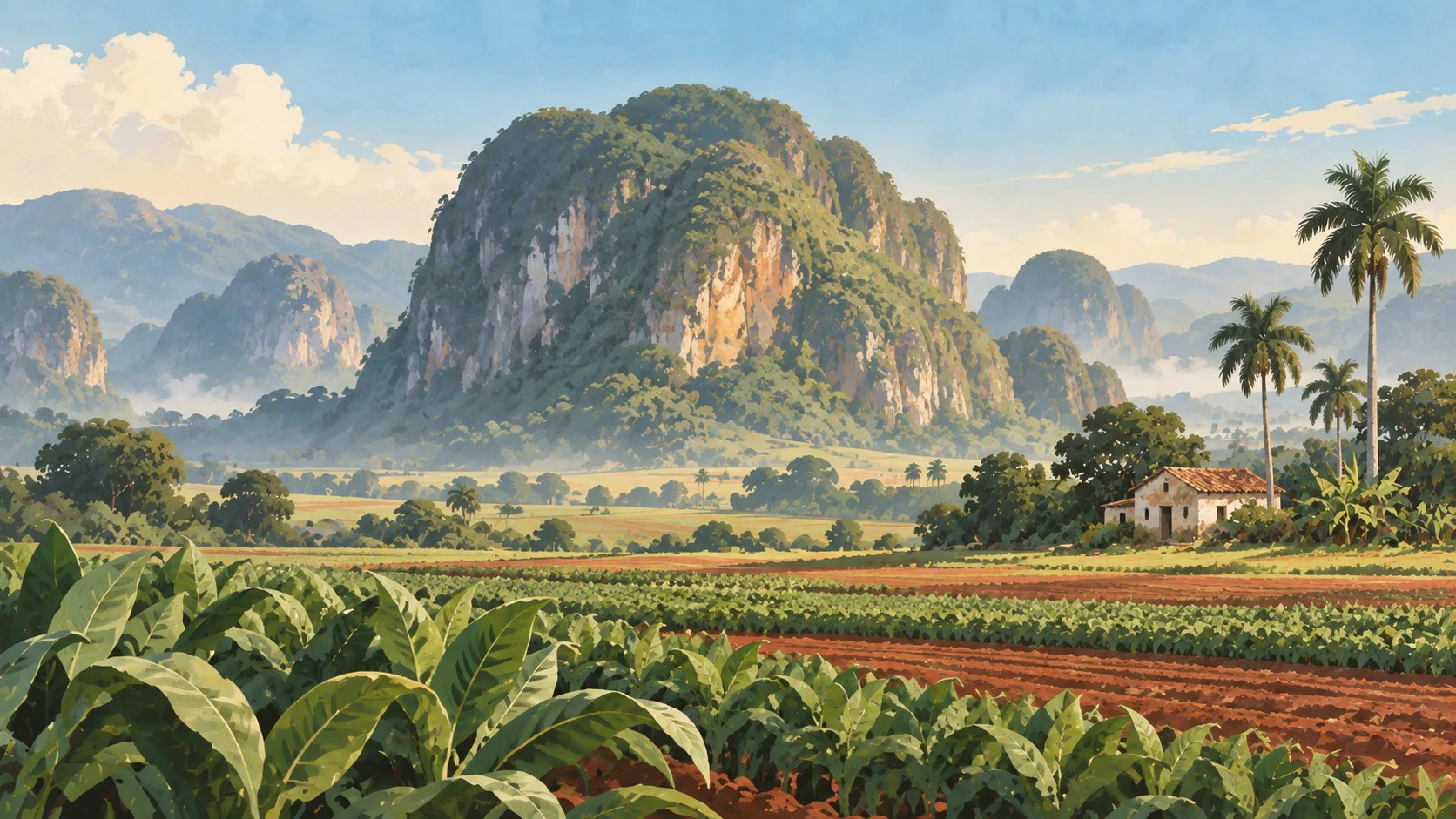
The preserved centre is only the start: Valle de los Ingenios, Topes de Collantes and Playa Ancón provide distinct history and landscape days. This town guide groups the destination into six useful areas so the stay works on the ground, not only on a country map.
Is this your trip?
Who Trinidad is for
History travellers
The preserved centre is only the start: Valle de los Ingenios, Topes de Collantes and Playa Ancón provide distinct history and landscape days.
Travellers with 2–4 days
That window gives Trinidad enough room for one anchor area and one contrasting cluster per day.
Views and local streets
La Popa & north town and Valle de los Ingenios make that interest practical rather than a country-level promise.
Area-led planners
Six fixed clusters make it easier to choose a base and avoid repeated cross-destination transfers.
Maybe not for you: A compressed checklist is the weak version of Trinidad. Treat the suggested stay as time on the ground: weather, timed entry, ferries or mountain roads can remove half a day.
Season by season
When to visit Trinidad
December–April. Rounded Caribbean maritime normals: warm trade-wind weather year-round, a drier winter-spring and wetter late summer-autumn. Conditions can still change sharply by elevation, coast and exposure, so use the chart for route timing and the current forecast for the day itself.
- Best
Dry high season
December–April
Lower humidity and rain make movement and water days easiest, with winter price pressure.
- Good
Early wet season
May–June
Warm water and lighter demand come with heavier, usually short showers.
- Mixed
Storm season
July–October
Heat, humidity and Atlantic tropical systems require current checks and flexible bookings.
- Good
Transition
November
Rain and storm risk ease unevenly before the main winter season.
Weather · monthly normals
Rounded Caribbean maritime normals: warm trade-wind weather year-round, a drier winter-spring and wetter late summer-autumn. Values are rounded planning normals rather than a live forecast.
Do fewer things better
Things to do in Trinidad
A short, ordered set of experiences with the timing or planning catch that makes each one work.
- 1
Start with Historic centre
Historic centre
Cobbled colonial core under heavy day pressure
- 2
Walk La Popa & north town without stacking it
La Popa & north town
Hillside neighbourhood above the centre
- 3
Use Valle de los Ingenios for sugar and enslavement history
Valle de los Ingenios
Plantation landscape east of Trinidad
- 4
Give Topes de Collantes a deliberate half-day
Topes de Collantes
Mountain roads and trail conditions shape the day
- 5
See Playa Ancón outside peak hours
Playa Ancón
Peninsula coast reached by taxi or bike in suitable weather
- 6
Keep Casilda weather-flexible
Casilda
Small settlement between Trinidad and the coast
Treat the suggested stay as time on the ground: weather, timed entry, ferries or mountain roads can remove half a day.
Area by area
The areas of Trinidad
A real map at local-city scale: enough geography to choose a base, compare areas and group a day. Numbered places match the notes below.
| Area | What it is like | Why go |
|---|---|---|
1 Historic centre first architecture and museums | Cobbled colonial core under heavy day pressure | Use Historic centre when first architecture and museums matters more than crossing the whole destination. |
2 La Popa & north town views and local streets | Hillside neighbourhood above the centre | Use La Popa & north town when views and local streets matters more than crossing the whole destination. |
3 Valle de los Ingenios sugar and enslavement history | Plantation landscape east of Trinidad | Use Valle de los Ingenios when sugar and enslavement history matters more than crossing the whole destination. |
4 Topes de Collantes forest and waterfalls | Mountain roads and trail conditions shape the day | Use Topes de Collantes when forest and waterfalls matters more than crossing the whole destination. |
5 Playa Ancón beach and reef | Peninsula coast reached by taxi or bike in suitable weather | Use Playa Ancón when beach and reef matters more than crossing the whole destination. |
6 Casilda fishing and local scale | Small settlement between Trinidad and the coast | Use Casilda when fishing and local scale matters more than crossing the whole destination. |
Choose the base, then the hotel
Where to stay in Trinidad
For most first visits: Historic centre for first architecture and museums.
Historic centre
Cobbled colonial core under heavy day pressure Choose it when that trade-off should shape mornings and evenings.
La Popa & north town
Hillside neighbourhood above the centre Choose it when that trade-off should shape mornings and evenings.
Valle de los Ingenios
Plantation landscape east of Trinidad Choose it when that trade-off should shape mornings and evenings.
Topes de Collantes
Mountain roads and trail conditions shape the day Choose it when that trade-off should shape mornings and evenings.
Order with a point of view
What to eat in Trinidad
Local food is more useful as an area decision than as a checklist of famous dishes.
- 01
Casa breakfast
Historic centre
Fruit, eggs, bread and coffee are simple, useful and tied to what hosts can source that week
- 02
Criollo plate
La Popa & north town
Rice, beans, roots and pork or fish make the everyday meal when ingredients are available
- 03
Regional speciality
Valle de los Ingenios
Baracoa coconut cooking, eastern stews and western farm food differ materially
- 04
Paladar meal
Topes de Collantes
Choose an independent kitchen by current recommendation rather than an old printed menu
- 05
Coffee, guarapo or fruit drink
Playa Ancón
Availability changes; accept substitutions without treating shortage as novelty
Useful on the ground
Local tips for Trinidad
Plan the transfer, not only the distance
Treat the suggested stay as time on the ground: weather, timed entry, ferries or mountain roads can remove half a day.
Rules depend on passport and jurisdiction
Confirm Cuban entry documents and your home jurisdiction's travel rules. US-linked travel and transactions require particularly careful official checking.
Build a legal cash and card backup
Some foreign cards do not work, ATMs can fail and exchange conditions move. Use current official guidance and never depend on one payment method.
Expect intermittent access
Tourist SIMs and Wi-Fi can help, but service and power are inconsistent. Save addresses, tickets and contacts offline.
Mixed sockets and voltage
Properties may offer 110 V or 220 V and type A, B, C or L sockets. Carry a universal adapter and check appliances.
Common questions
Quick answers about Trinidad
- When is the best time to visit Trinidad?
- December–April. Rounded Caribbean maritime normals: warm trade-wind weather year-round, a drier winter-spring and wetter late summer-autumn. Conditions can still change sharply by elevation, coast and exposure, so use the chart for route timing and the current forecast for the day itself.
- How many days do you need in Trinidad?
- 2–4 days. The preserved centre is only the start: Valle de los Ingenios, Topes de Collantes and Playa Ancón provide distinct history and landscape days. This town guide groups the destination into six useful areas so the stay works on the ground, not only on a country map.
- Where should you stay in Trinidad?
- Historic centre for first architecture and museums. Cobbled colonial core under heavy day pressure Choose it when that trade-off should shape mornings and evenings.
Keep building the route
Trinidad is part of Cuba
Use the country guide for visa, money, long-distance transport and the route between cities. Then compare the other worked-out stops below.