

Mlilwane & Lobamba: what to expect
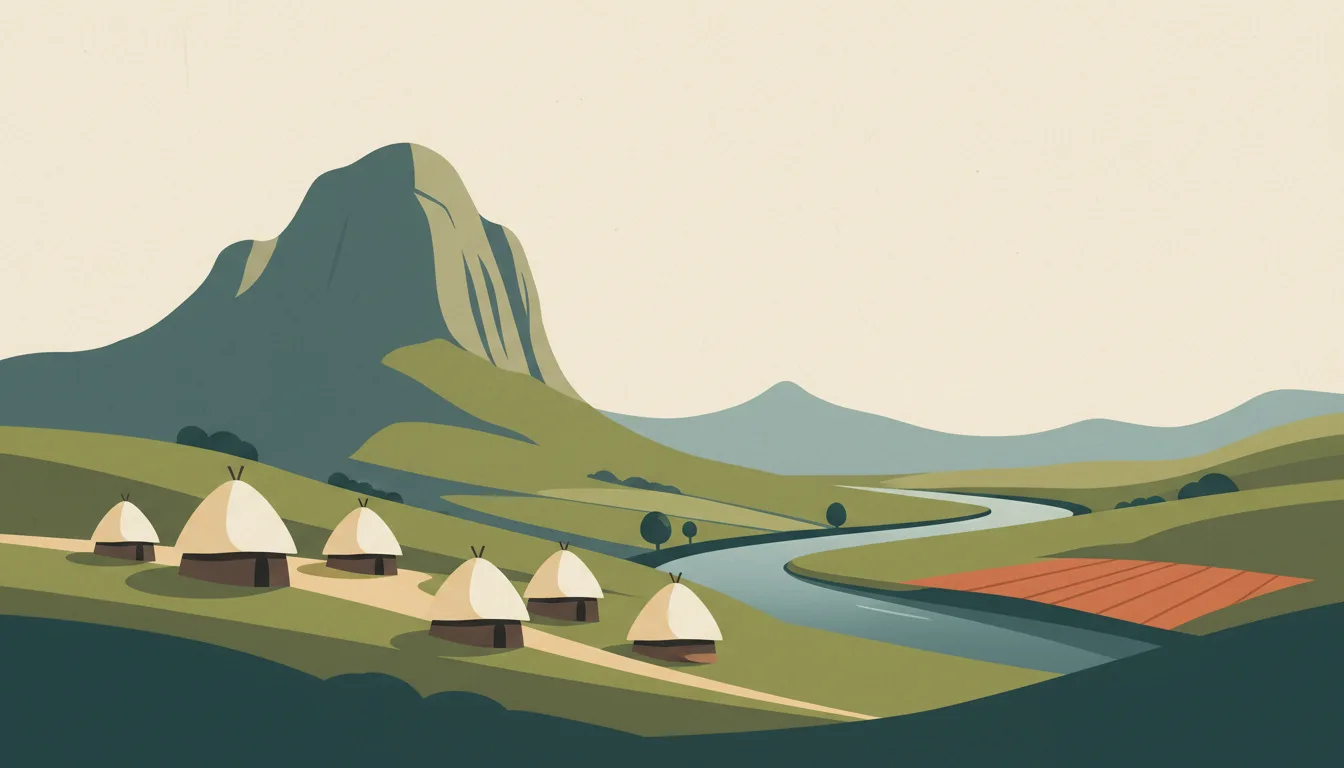
Mlilwane Wildlife Sanctuary lets you walk and cycle among zebra, wildebeest and warthog with the Nyonyane ridge above, while neighbouring Lobamba holds parliament, the National Museum and the royal villages where Umhlanga and Incwala unfold. This travel base guide groups the destination into six useful areas so the stay works on the ground, not only on a country map.
Is this your trip?
Who Mlilwane & Lobamba is for
Wildlife travellers
Mlilwane Wildlife Sanctuary lets you walk and cycle among zebra, wildebeest and warthog with the Nyonyane ridge above, while neighbouring Lobamba holds parliament, the National Museum and the royal villages where Umhlanga and Incwala unfold.
Travellers with 2 days
That window gives Mlilwane & Lobamba enough room for one anchor area and one contrasting cluster per day.
Execution Rock hike
Nyonyane ridge and Hippo pool & wetland make that interest practical rather than a country-level promise.
Area-led planners
Six fixed clusters make it easier to choose a base and avoid repeated cross-destination transfers.
Maybe not for you: A compressed checklist is the weak version of Mlilwane & Lobamba. Treat the suggested stay as time on the ground: weather, timed entry, ferries or mountain roads can remove half a day.
Season by season
When to visit Mlilwane & Lobamba
April–June and September–November. Rounded Southern Hemisphere humid-subtropical normals: hot wet summers, mild winters and comfortable shoulder months. Conditions can still change sharply by elevation, coast and exposure, so use the chart for route timing and the current forecast for the day itself.
- Mixed
Summer
December–February
Heat, humidity and thunderstorms reward early outdoor starts and flexible afternoons.
- Best
Autumn
March–May
Temperatures and humidity ease while warm water and green landscapes remain.
- Good
Winter
June–August
Mild, drier days suit cities and falls, with cooler nights in the south or at height.
- Best
Spring
September–November
Warmth returns before peak summer humidity, with increasing showers later.
Weather · monthly normals
Rounded Southern Hemisphere humid-subtropical normals: hot wet summers, mild winters and comfortable shoulder months. Values are rounded planning normals rather than a live forecast.
Do fewer things better
Things to do in Mlilwane & Lobamba
A short, ordered set of experiences with the timing or planning catch that makes each one work.
- 1
Start with Mlilwane rest camp
Mlilwane rest camp
Main camp with huts, a pool visited by warthogs and hire bikes
- 2
Walk Nyonyane ridge without stacking it
Nyonyane ridge
Morning walk to the summit above the sanctuary
- 3
Use Hippo pool & wetland for walking and birding
Hippo pool & wetland
Boardwalks and hides around the sanctuary's water
- 4
Give Lobamba a deliberate half-day
Lobamba
The National Museum, parliament and King Sobhuza II memorial park
- 5
See Ludzidzini outside peak hours
Ludzidzini
Queen Mother's residence where Umhlanga and Incwala are held
- 6
Keep Sondzela weather-flexible
Sondzela
Backpacker lodge inside the sanctuary with dorms and campsites
Treat the suggested stay as time on the ground: weather, timed entry, ferries or mountain roads can remove half a day.
Area by area
The areas of Mlilwane & Lobamba
A real map at local-city scale: enough geography to choose a base, compare areas and group a day. Numbered places match the notes below.
| Area | What it is like | Why go |
|---|---|---|
1 Mlilwane rest camp beehive huts and bikes | Main camp with huts, a pool visited by warthogs and hire bikes | Use Mlilwane rest camp when beehive huts and bikes matters more than crossing the whole destination. |
2 Nyonyane ridge Execution Rock hike | Morning walk to the summit above the sanctuary | Use Nyonyane ridge when Execution Rock hike matters more than crossing the whole destination. |
3 Hippo pool & wetland walking and birding | Boardwalks and hides around the sanctuary's water | Use Hippo pool & wetland when walking and birding matters more than crossing the whole destination. |
4 Lobamba parliament and museum | The National Museum, parliament and King Sobhuza II memorial park | Use Lobamba when parliament and museum matters more than crossing the whole destination. |
5 Ludzidzini royal village | Queen Mother's residence where Umhlanga and Incwala are held | Use Ludzidzini when royal village matters more than crossing the whole destination. |
6 Sondzela budget stay | Backpacker lodge inside the sanctuary with dorms and campsites | Use Sondzela when budget stay matters more than crossing the whole destination. |
Choose the base, then the hotel
Where to stay in Mlilwane & Lobamba
For most first visits: Mlilwane rest camp for beehive huts and bikes.
Mlilwane rest camp
Main camp with huts, a pool visited by warthogs and hire bikes Choose it when that trade-off should shape mornings and evenings.
Nyonyane ridge
Morning walk to the summit above the sanctuary Choose it when that trade-off should shape mornings and evenings.
Hippo pool & wetland
Boardwalks and hides around the sanctuary's water Choose it when that trade-off should shape mornings and evenings.
Lobamba
The National Museum, parliament and King Sobhuza II memorial park Choose it when that trade-off should shape mornings and evenings.
Order with a point of view
What to eat in Mlilwane & Lobamba
Local food is more useful as an area decision than as a checklist of famous dishes.
- 01
Sishwala with stew
Mlilwane rest camp
Thick maize porridge with beef or chicken stew is the daily plate at any market kitchen
- 02
Emasi and umbidvo
Nyonyane ridge
Sour milk and wild greens cooked with peanut are the traditional accompaniments worth asking for
- 03
Shisanyama braai
Hippo pool & wetland
Buy the meat, hand it to the grill and eat with pap and chakalaka at a roadside braai spot
- 04
Sidvudvu
Lobamba
Pumpkin porridge sweetened with maize is a homestead breakfast that lodges will make if asked
- 05
Buganu
Ludzidzini
Marula brew in February and March is the seasonal drink of the Marula ceremonies; taste it with a host
Useful on the ground
Local tips for Mlilwane & Lobamba
Plan the transfer, not only the distance
Treat the suggested stay as time on the ground: weather, timed entry, ferries or mountain roads can remove half a day.
Visa-free for most visitors
Most European, North American and Commonwealth passports enter without a visa for 30 days; the land borders with South Africa and Mozambique close at night, so check crossing hours.
Lilangeni pegged to the rand
The lilangeni trades at par with the South African rand and rand notes are accepted everywhere; cards work in hotels and supermarkets, ATMs in Mbabane, Manzini and Ezulwini.
MTN or Eswatini Mobile SIM
Coverage is good along the main corridor and thin in Malolotja and the Lubombo; buy a SIM at the border or in Ezulwini and expect lodge Wi-Fi to be modest.
Type M and G sockets
230 V with the South African large three-pin as standard and British sockets in newer hotels; carry a South African adapter.
Common questions
Quick answers about Mlilwane & Lobamba
- When is the best time to visit Mlilwane & Lobamba?
- April–June and September–November. Rounded Southern Hemisphere humid-subtropical normals: hot wet summers, mild winters and comfortable shoulder months. Conditions can still change sharply by elevation, coast and exposure, so use the chart for route timing and the current forecast for the day itself.
- How many days do you need in Mlilwane & Lobamba?
- 2 days. Mlilwane Wildlife Sanctuary lets you walk and cycle among zebra, wildebeest and warthog with the Nyonyane ridge above, while neighbouring Lobamba holds parliament, the National Museum and the royal villages where Umhlanga and Incwala unfold. This travel base guide groups the destination into six useful areas so the stay works on the ground, not only on a country map.
- Where should you stay in Mlilwane & Lobamba?
- Mlilwane rest camp for beehive huts and bikes. Main camp with huts, a pool visited by warthogs and hire bikes Choose it when that trade-off should shape mornings and evenings.
Keep building the route
Mlilwane & Lobamba is part of Eswatini
Use the country guide for visa, money, long-distance transport and the route between cities. Then compare the other worked-out stops below.
- Mbabane & EzulwiniThe capital and the valley that holds the country's rooms
- Hlane & MkhayaLion, elephant and rhino on foot in the lowveld
- Malolotja & NgwenyaHighveld wilderness and the world's oldest mine
- Manzini & MalkernsMarket city and the craft valley
- Lubombo & ShewulaEscarpment hikes and a community mountain camp