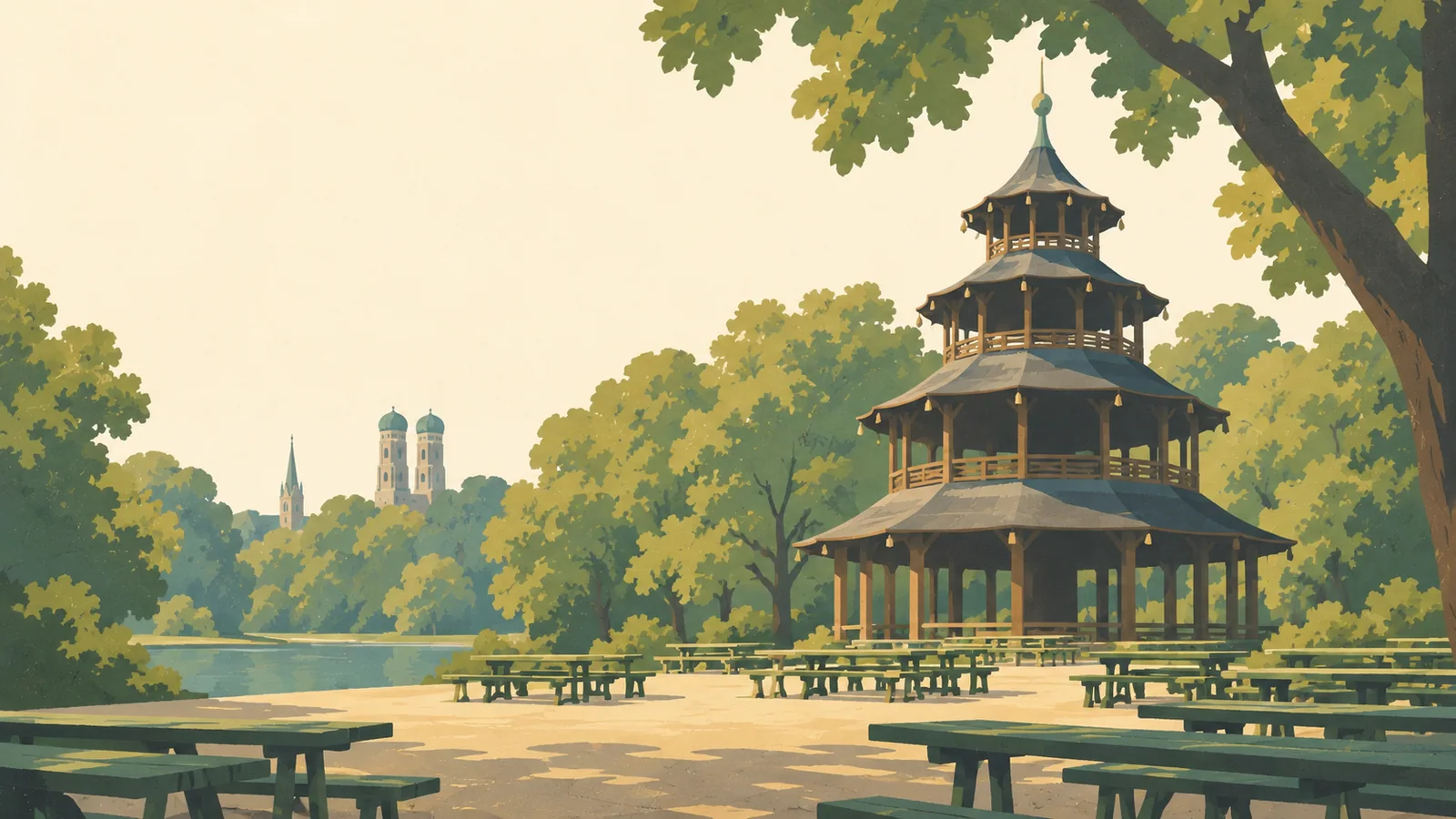


Munich: what to expect
A polished city with excellent museums, beer gardens and easy access to lakes and the Alps. Stay even if you skip Oktoberfest. This city guide groups the destination into six useful areas so the stay works on the ground, not only on a country map.
Is this your trip?
Who Munich is for
Food travellers
A polished city with excellent museums, beer gardens and easy access to lakes and the Alps. Stay even if you skip Oktoberfest.
Travellers with 2–3 days
That window gives Munich enough room for one anchor area and one contrasting cluster per day.
Major museums
Maxvorstadt and Glockenbachviertel make that interest practical rather than a country-level promise.
Area-led planners
Six fixed clusters make it easier to choose a base and avoid repeated cross-destination transfers.
Maybe not for you: A compressed checklist is the weak version of Munich. Treat the suggested stay as time on the ground: weather, timed entry, ferries or mountain roads can remove half a day.
Season by season
When to visit Munich
May–June and September. Rounded continental planning normals: cold winters, warm summers and a fast-changing shoulder season. Conditions can still change sharply by elevation, coast and exposure, so use the chart for route timing and the current forecast for the day itself.
- Good
Spring
March–May
Rapid warming, blossom and occasional cold reversals; layer for long days.
- Best
Summer
June–August
Warm to hot with long daylight and thunderstorms rather than constant rain.
- Best
Autumn
September–November
September is excellent; temperatures and daylight fall quickly after it.
- Mixed
Winter
December–February
Cold, sometimes snowy and atmospheric, with museums carrying shorter days.
Weather · monthly normals
Rounded continental planning normals: cold winters, warm summers and a fast-changing shoulder season. Values are rounded planning normals rather than a live forecast.
Do fewer things better
Things to do in Munich
A short, ordered set of experiences with the timing or planning catch that makes each one work.
- 1
Start with Altstadt
Altstadt
Civic squares, churches and market food
- 2
Walk Maxvorstadt without stacking it
Maxvorstadt
Pinakotheken, universities and ordered urban blocks
- 3
Use Glockenbachviertel for nightlife and cafés
Glockenbachviertel
Isar-side streets with queer and creative history
- 4
Give Haidhausen a deliberate half-day
Haidhausen
Old village fabric east of the river
- 5
See Schwabing & English Garden outside peak hours
Schwabing & English Garden
University life beside a vast green corridor
- 6
Keep Nymphenburg weather-flexible
Nymphenburg
Royal interiors, parkland and western neighbourhoods
Treat the suggested stay as time on the ground: weather, timed entry, ferries or mountain roads can remove half a day.
Area by area
The neighbourhoods of Munich
A real map at local-city scale: enough geography to choose a base, compare areas and group a day. Numbered places match the notes below.
| Area | What it is like | Why go |
|---|---|---|
1 Altstadt first landmarks | Civic squares, churches and market food | Use Altstadt when first landmarks matters more than crossing the whole destination. |
2 Maxvorstadt major museums | Pinakotheken, universities and ordered urban blocks | Use Maxvorstadt when major museums matters more than crossing the whole destination. |
3 Glockenbachviertel nightlife and cafés | Isar-side streets with queer and creative history | Use Glockenbachviertel when nightlife and cafés matters more than crossing the whole destination. |
4 Haidhausen local evenings | Old village fabric east of the river | Use Haidhausen when local evenings matters more than crossing the whole destination. |
5 Schwabing & English Garden parks and longer stays | University life beside a vast green corridor | Use Schwabing & English Garden when parks and longer stays matters more than crossing the whole destination. |
6 Nymphenburg palace and calm | Royal interiors, parkland and western neighbourhoods | Use Nymphenburg when palace and calm matters more than crossing the whole destination. |
Choose the base, then the hotel
Where to stay in Munich
For most first visits: Altstadt for first landmarks.
Altstadt
Civic squares, churches and market food Choose it when that trade-off should shape mornings and evenings.
Maxvorstadt
Pinakotheken, universities and ordered urban blocks Choose it when that trade-off should shape mornings and evenings.
Glockenbachviertel
Isar-side streets with queer and creative history Choose it when that trade-off should shape mornings and evenings.
Haidhausen
Old village fabric east of the river Choose it when that trade-off should shape mornings and evenings.
Order with a point of view
What to eat in Munich
Local food is more useful as an area decision than as a checklist of famous dishes.
- 01
Regional sausage
Altstadt
Order the local form rather than treating every Wurst as interchangeable
- 02
Bread and bakery lunch
Maxvorstadt
Germany's dense bread culture makes a bakery a serious, inexpensive meal
- 03
Seasonal plate
Glockenbachviertel
Asparagus, mushrooms, game and cabbage appear when the calendar says so
- 04
Cake and coffee
Haidhausen
A Konditorei break is part of the afternoon rather than emergency sugar
- 05
Local beer or alcohol-free beer
Schwabing & English Garden
Styles are regional; ask what is brewed nearby and match the glass to the place
Useful on the ground
Local tips for Munich
Plan the transfer, not only the distance
Treat the suggested stay as time on the ground: weather, timed entry, ferries or mountain roads can remove half a day.
Visa and entry
Germany follows Schengen entry rules. Visa-exempt visitors are generally limited to 90 days in 180 days; check your passport requirements before departure.
Money and cards
Cards are common in hotels and larger restaurants, but cash remains normal in bakeries, markets and small cafés. Carry a little every day.
SIM and data
EU roaming usually works as at home. An eSIM is useful for train apps and maps; rural coverage varies in valleys and forests.
Plugs and power
Germany uses 230 V and type C or F sockets. Most European plugs fit; other travellers need an adapter.
Common questions
Quick answers about Munich
- When is the best time to visit Munich?
- May–June and September. Rounded continental planning normals: cold winters, warm summers and a fast-changing shoulder season. Conditions can still change sharply by elevation, coast and exposure, so use the chart for route timing and the current forecast for the day itself.
- How many days do you need in Munich?
- 2–3 days. A polished city with excellent museums, beer gardens and easy access to lakes and the Alps. Stay even if you skip Oktoberfest. This city guide groups the destination into six useful areas so the stay works on the ground, not only on a country map.
- Where should you stay in Munich?
- Altstadt for first landmarks. Civic squares, churches and market food Choose it when that trade-off should shape mornings and evenings.
Keep building the route
Munich is part of Germany
Use the country guide for visa, money, long-distance transport and the route between cities. Then compare the other worked-out stops below.
- BerlinHistory, art and late nights
- HamburgHarbour city with edge
- Rhine ValleyCastles, vineyards and river towns
- Black ForestForest walks and spa towns
- Dresden and Saxon SwitzerlandBaroque city and sandstone cliffs
- LeipzigMusic history and a changing eastern city
- NurembergImperial streets and difficult modern history
- FreiburgA compact cathedral city at the Black Forest edge
- LübeckHanseatic brickwork and island old-town lanes
- ErfurtA preserved trading city and Jewish heritage
- BremenA Hanseatic river city beyond the market square
- HannoverGardens and a city with more than trade fairs
- MainzPrinting history and Rhine-city street life
- AugsburgMerchant history and a city shaped by water
- RegensburgA Danube trading city with medieval depth