
Cluj-Napoca: what to expect
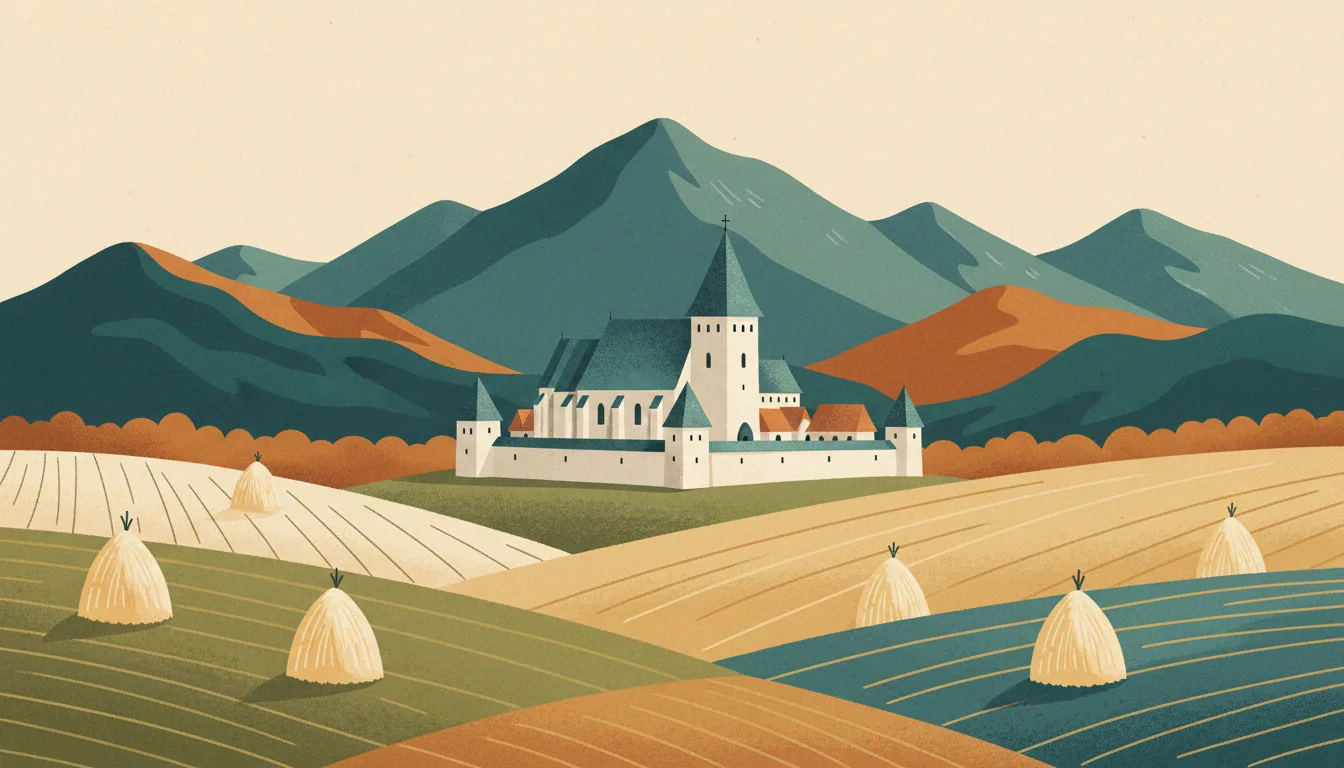
Cluj is Transylvania's largest city and its liveliest: a Gothic church and Hungarian squares, a strong café and restaurant scene, the Turda salt mine nearby and a base before Maramureș. This city guide groups the destination into six useful areas so the stay works on the ground, not only on a country map.
Is this your trip?
Who Cluj-Napoca is for
Nightlife travellers
Cluj is Transylvania's largest city and its liveliest: a Gothic church and Hungarian squares, a strong café and restaurant scene, the Turda salt mine nearby and a base before Maramureș.
Travellers with 2–3 days
That window gives Cluj-Napoca enough room for one anchor area and one contrasting cluster per day.
Cafés and evenings
Piața Muzeului and Mănăștur & Grigorescu make that interest practical rather than a country-level promise.
Area-led planners
Six fixed clusters make it easier to choose a base and avoid repeated cross-destination transfers.
Maybe not for you: A compressed checklist is the weak version of Cluj-Napoca. Treat the suggested stay as time on the ground: weather, timed entry, ferries or mountain roads can remove half a day.
Season by season
When to visit Cluj-Napoca
May–June and September. Rounded continental planning normals: cold winters, warm summers and a fast-changing shoulder season. Conditions can still change sharply by elevation, coast and exposure, so use the chart for route timing and the current forecast for the day itself.
- Good
Spring
March–May
Rapid warming, blossom and occasional cold reversals; layer for long days.
- Best
Summer
June–August
Warm to hot with long daylight and thunderstorms rather than constant rain.
- Best
Autumn
September–November
September is excellent; temperatures and daylight fall quickly after it.
- Mixed
Winter
December–February
Cold, sometimes snowy and atmospheric, with museums carrying shorter days.
Weather · monthly normals
Rounded continental planning normals: cold winters, warm summers and a fast-changing shoulder season. Values are rounded planning normals rather than a live forecast.
Do fewer things better
Things to do in Cluj-Napoca
A short, ordered set of experiences with the timing or planning catch that makes each one work.
- 1
Start with Piața Unirii
Piața Unirii
Gothic church, Matthias Corvinus statue and Hungarian-era squares
- 2
Walk Piața Muzeului without stacking it
Piața Muzeului
Small square of terraces and the city's oldest church
- 3
Use Mănăștur & Grigorescu for students and local life
Mănăștur & Grigorescu
Large residential districts with markets and the river park
- 4
Give Central Park & Cetățuia a deliberate half-day
Central Park & Cetățuia
Lake park and the fortress hill above the Someș
- 5
See Turda salt mine outside peak hours
Turda salt mine
Vast salt chambers with a lake and Ferris wheel half an hour away
- 6
Keep Bonțida & Bánffy Castle weather-flexible
Bonțida & Bánffy Castle
Restored Transylvanian estate north-east of the city
Treat the suggested stay as time on the ground: weather, timed entry, ferries or mountain roads can remove half a day.
Area by area
The neighbourhoods of Cluj-Napoca
A real map at local-city scale: enough geography to choose a base, compare areas and group a day. Numbered places match the notes below.
| Area | What it is like | Why go |
|---|---|---|
1 Piața Unirii first walk and St Michael's | Gothic church, Matthias Corvinus statue and Hungarian-era squares | Use Piața Unirii when first walk and St Michael's matters more than crossing the whole destination. |
2 Piața Muzeului cafés and evenings | Small square of terraces and the city's oldest church | Use Piața Muzeului when cafés and evenings matters more than crossing the whole destination. |
3 Mănăștur & Grigorescu students and local life | Large residential districts with markets and the river park | Use Mănăștur & Grigorescu when students and local life matters more than crossing the whole destination. |
4 Central Park & Cetățuia green space and views | Lake park and the fortress hill above the Someș | Use Central Park & Cetățuia when green space and views matters more than crossing the whole destination. |
5 Turda salt mine underground excursion | Vast salt chambers with a lake and Ferris wheel half an hour away | Use Turda salt mine when underground excursion matters more than crossing the whole destination. |
6 Bonțida & Bánffy Castle castle and festival site | Restored Transylvanian estate north-east of the city | Use Bonțida & Bánffy Castle when castle and festival site matters more than crossing the whole destination. |
Choose the base, then the hotel
Where to stay in Cluj-Napoca
For most first visits: Piața Unirii for first walk and St Michael's.
Piața Unirii
Gothic church, Matthias Corvinus statue and Hungarian-era squares Choose it when that trade-off should shape mornings and evenings.
Piața Muzeului
Small square of terraces and the city's oldest church Choose it when that trade-off should shape mornings and evenings.
Mănăștur & Grigorescu
Large residential districts with markets and the river park Choose it when that trade-off should shape mornings and evenings.
Central Park & Cetățuia
Lake park and the fortress hill above the Someș Choose it when that trade-off should shape mornings and evenings.
Order with a point of view
What to eat in Cluj-Napoca
Local food is more useful as an area decision than as a checklist of famous dishes.
- 01
Sarmale with mămăligă
Piața Unirii
Cabbage rolls with polenta and sour cream are the Sunday and celebration dish everywhere
- 02
Ciorbă at lunch
Piața Muzeului
Sour soups with lovage, from tripe to bean, open almost every proper Romanian meal
- 03
Saxon and Hungarian Transylvania
Mănăștur & Grigorescu
Goulash, chimney cake and Saxon sausages show the region's mixed kitchens
- 04
Delta fish stew
Central Park & Cetățuia
Lipovan storceag and grilled carp or catfish are cooked in the pension, not found in restaurants
- 05
Pălincă and Maramureș cheese
Turda salt mine
Plum brandy and smoked sheep cheese are offered in villages; accept a small glass
Useful on the ground
Local tips for Cluj-Napoca
Plan the transfer, not only the distance
Treat the suggested stay as time on the ground: weather, timed entry, ferries or mountain roads can remove half a day.
Schengen rules apply
Romania joined Schengen fully on 1 January 2025; visa-exempt travellers have 90 days in any 180 across the whole area, and border checks with Hungary and Bulgaria are gone.
Leu, cards nearly everywhere
Cards and contactless are widespread in cities and most guesthouses; carry lei for village markets, boat trips and rural fuel stations. Refuse dynamic currency conversion.
EU roaming works
EU SIMs roam at home rates; coverage is excellent in cities and reasonable in most valleys, with gaps in the Delta channels and high mountains.
Type C and F sockets
Standard European 230 V two-pin sockets; no adapter needed for European plugs.
Common questions
Quick answers about Cluj-Napoca
- When is the best time to visit Cluj-Napoca?
- May–June and September. Rounded continental planning normals: cold winters, warm summers and a fast-changing shoulder season. Conditions can still change sharply by elevation, coast and exposure, so use the chart for route timing and the current forecast for the day itself.
- How many days do you need in Cluj-Napoca?
- 2–3 days. Cluj is Transylvania's largest city and its liveliest: a Gothic church and Hungarian squares, a strong café and restaurant scene, the Turda salt mine nearby and a base before Maramureș. This city guide groups the destination into six useful areas so the stay works on the ground, not only on a country map.
- Where should you stay in Cluj-Napoca?
- Piața Unirii for first walk and St Michael's. Gothic church, Matthias Corvinus statue and Hungarian-era squares Choose it when that trade-off should shape mornings and evenings.
Keep building the route
Cluj-Napoca is part of Romania
Use the country guide for visa, money, long-distance transport and the route between cities. Then compare the other worked-out stops below.
- BucharestGrand boulevards, Ceaușescu's palace and a lively old town
- Brașov & TransylvaniaSaxon walls, fortified churches and Carpathian bears
- SibiuBaroque squares and roofs with watching eyes
- MaramureșWooden churches and villages where haymaking still matters
- Danube DeltaReed channels, pelican colonies and fishing villages by boat