
Dakar & Gorée: what to expect
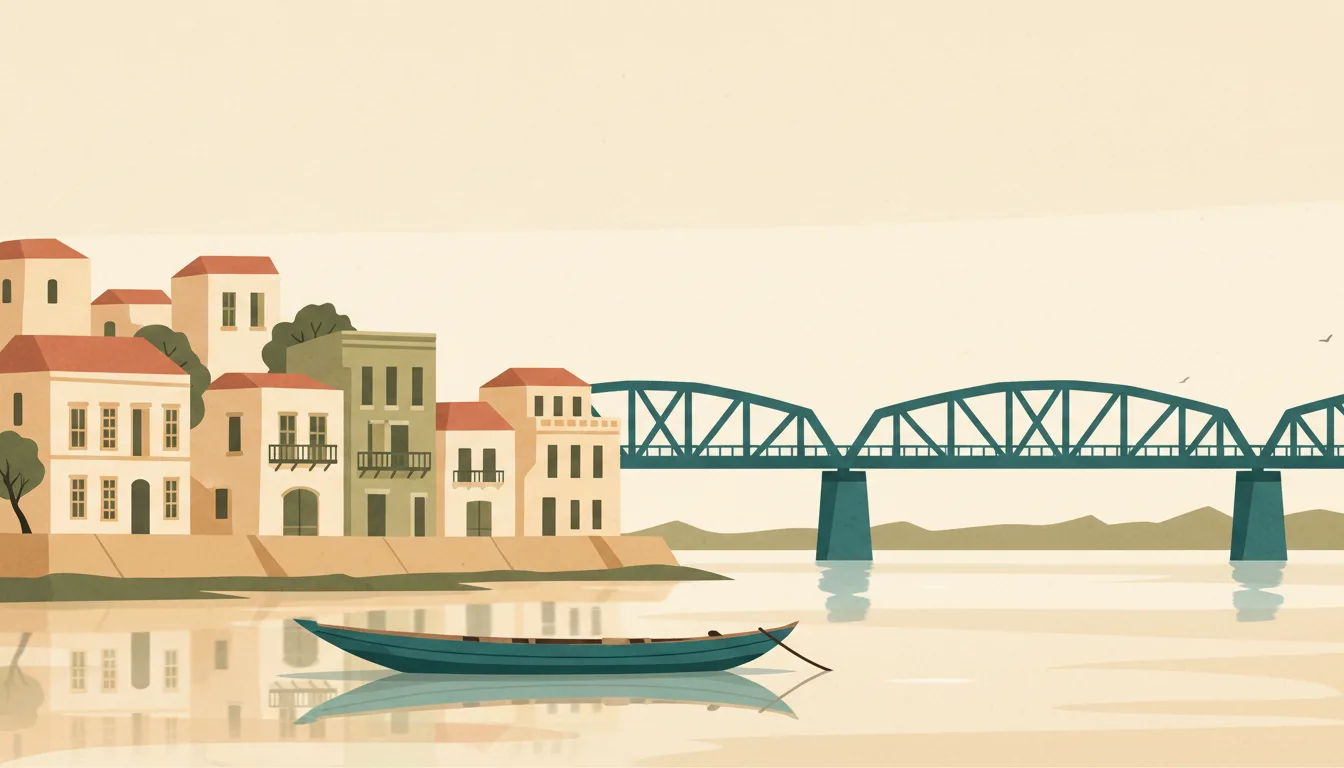
Dakar is a city of neighbourhoods, from the Plateau's institutions and the Médina's workshops to Ngor's surf and Almadies' clubs. Gorée's slave house and old town need an unhurried ferry day. This city guide groups the destination into six useful areas so the stay works on the ground, not only on a country map.
Is this your trip?
Who Dakar & Gorée is for
Music travellers
Dakar is a city of neighbourhoods, from the Plateau's institutions and the Médina's workshops to Ngor's surf and Almadies' clubs. Gorée's slave house and old town need an unhurried ferry day.
Travellers with 3–4 days
That window gives Dakar & Gorée enough room for one anchor area and one contrasting cluster per day.
House of Slaves and old town
Gorée Island and Médina & Soumbédioune make that interest practical rather than a country-level promise.
Area-led planners
Six fixed clusters make it easier to choose a base and avoid repeated cross-destination transfers.
Maybe not for you: A compressed checklist is the weak version of Dakar & Gorée. Treat the suggested stay as time on the ground: weather, timed entry, ferries or mountain roads can remove half a day.
Season by season
When to visit Dakar & Gorée
December–April, adjusted for the coast. Rounded tropical-seasonal planning normals: warm year-round with a clear dry and green-season rhythm. Conditions can still change sharply by elevation, coast and exposure, so use the chart for route timing and the current forecast for the day itself.
- Best
Dry season
December–April
Reliable mornings and easier roads, with peak prices and dust in exposed areas.
- Good
Early green
May–July
Lush landscapes and afternoon rain often make a strong value window.
- Mixed
Wet peak
August–October
Heavy rain can reshape roads, rivers and sea conditions.
- Good
Transition
November
Rain eases unevenly before high season fully returns.
Weather · monthly normals
Rounded tropical-seasonal planning normals: warm year-round with a clear dry and green-season rhythm. Values are rounded planning normals rather than a live forecast.
Do fewer things better
Things to do in Dakar & Gorée
A short, ordered set of experiences with the timing or planning catch that makes each one work.
- 1
Start with Plateau
Plateau
Colonial centre with the presidential palace, IFAN museum, cathedral and Kermel market
- 2
Walk Gorée Island without stacking it
Gorée Island
Twenty-minute ferry to the memorial house, the fort and pastel colonial lanes
- 3
Use Médina & Soumbédioune for craft and fish market
Médina & Soumbédioune
The old African quarter with the Grande Mosquée and the evening fish landing
- 4
Give Almadies & Ngor a deliberate half-day
Almadies & Ngor
Ngor island pirogues, surf breaks and the nightlife strip near Africa's westernmost point
- 5
See Point E, Fann & Mermoz outside peak hours
Point E, Fann & Mermoz
Residential districts with universities, galleries, the Corniche and comfortable hotels
- 6
Keep Yoff & the northern coast weather-flexible
Yoff & the northern coast
Fishing village, Layene mausoleum and the long beach toward Lac Rose
Treat the suggested stay as time on the ground: weather, timed entry, ferries or mountain roads can remove half a day.
Area by area
The neighbourhoods of Dakar & Gorée
A real map at local-city scale: enough geography to choose a base, compare areas and group a day. Numbered places match the notes below.
| Area | What it is like | Why go |
|---|---|---|
1 Plateau institutions and first history | Colonial centre with the presidential palace, IFAN museum, cathedral and Kermel market | Use Plateau when institutions and first history matters more than crossing the whole destination. |
2 Gorée Island House of Slaves and old town | Twenty-minute ferry to the memorial house, the fort and pastel colonial lanes | Use Gorée Island when House of Slaves and old town matters more than crossing the whole destination. |
3 Médina & Soumbédioune craft and fish market | The old African quarter with the Grande Mosquée and the evening fish landing | Use Médina & Soumbédioune when craft and fish market matters more than crossing the whole destination. |
4 Almadies & Ngor surf, clubs and the western tip | Ngor island pirogues, surf breaks and the nightlife strip near Africa's westernmost point | Use Almadies & Ngor when surf, clubs and the western tip matters more than crossing the whole destination. |
5 Point E, Fann & Mermoz first stay and restaurants | Residential districts with universities, galleries, the Corniche and comfortable hotels | Use Point E, Fann & Mermoz when first stay and restaurants matters more than crossing the whole destination. |
6 Yoff & the northern coast beach and airport road | Fishing village, Layene mausoleum and the long beach toward Lac Rose | Use Yoff & the northern coast when beach and airport road matters more than crossing the whole destination. |
Choose the base, then the hotel
Where to stay in Dakar & Gorée
For most first visits: Plateau for institutions and first history.
Plateau
Colonial centre with the presidential palace, IFAN museum, cathedral and Kermel market Choose it when that trade-off should shape mornings and evenings.
Gorée Island
Twenty-minute ferry to the memorial house, the fort and pastel colonial lanes Choose it when that trade-off should shape mornings and evenings.
Médina & Soumbédioune
The old African quarter with the Grande Mosquée and the evening fish landing Choose it when that trade-off should shape mornings and evenings.
Almadies & Ngor
Ngor island pirogues, surf breaks and the nightlife strip near Africa's westernmost point Choose it when that trade-off should shape mornings and evenings.
Order with a point of view
What to eat in Dakar & Gorée
Local food is more useful as an area decision than as a checklist of famous dishes.
- 01
Thiéboudienne
Plateau
The national rice, fish and vegetable dish is a lunch event; eat it from the shared platter at a family table or a good gargote
- 02
Yassa poulet or poisson
Gorée Island
Onion, lemon and mustard marinade over grilled chicken or fish is the Casamance dish that conquered the country
- 03
Mafé
Médina & Soumbédioune
Peanut stew with beef or lamb, eaten with rice, is the everyday comfort plate in Dakar and the interior
- 04
Dibi and grilled fish at the beach
Almadies & Ngor
Charcoal-grilled lamb from a dibiterie or fish straight from the Ngor and Soumbédioune pirogues make the evening meal
- 05
Bissap, bouye and attaya tea
Point E, Fann & Mermoz
Hibiscus and baobab juices cool the afternoon; the three-glass attaya tea ritual is an invitation to sit and talk
Useful on the ground
Local tips for Dakar & Gorée
Plan the transfer, not only the distance
Treat the suggested stay as time on the ground: weather, timed entry, ferries or mountain roads can remove half a day.
Often visa-free, check yellow fever rules
EU, UK, US and many other passports enter visa-free for up to 90 days; a yellow fever certificate is required for arrivals from risk countries and is often checked regardless.
CFA francs and Dakar-only cards
The CFA is pegged to the euro; ATMs work in Dakar, Saly, Saint-Louis and Ziguinchor but are scarce elsewhere. Carry cash for the delta and Casamance, and use Wave or Orange Money if a local sets it up.
Orange or Free SIM
Data is cheap and good in cities and along the main roads; the delta islands and rural Casamance are patchy. SIM registration needs your passport.
Type C and E sockets
Senegal uses 230 V with French-style two-pin sockets; a standard European plug fits everywhere.
Common questions
Quick answers about Dakar & Gorée
- When is the best time to visit Dakar & Gorée?
- December–April, adjusted for the coast. Rounded tropical-seasonal planning normals: warm year-round with a clear dry and green-season rhythm. Conditions can still change sharply by elevation, coast and exposure, so use the chart for route timing and the current forecast for the day itself.
- How many days do you need in Dakar & Gorée?
- 3–4 days. Dakar is a city of neighbourhoods, from the Plateau's institutions and the Médina's workshops to Ngor's surf and Almadies' clubs. Gorée's slave house and old town need an unhurried ferry day. This city guide groups the destination into six useful areas so the stay works on the ground, not only on a country map.
- Where should you stay in Dakar & Gorée?
- Plateau for institutions and first history. Colonial centre with the presidential palace, IFAN museum, cathedral and Kermel market Choose it when that trade-off should shape mornings and evenings.
Keep building the route
Dakar & Gorée is part of Senegal
Use the country guide for visa, money, long-distance transport and the route between cities. Then compare the other worked-out stops below.
- Saint-LouisColonial river island and the Langue de Barbarie
- Saly & Petite CôteResort coast south of Dakar
- Sine-Saloum deltaMangroves, shell islands and pirogue days
- Casamance: Ziguinchor & Cap SkirringGreen south, Diola culture and wide beaches
- Lac Rose & ThièsPink lake, salt harvest and Bandia's reserve