
Istanbul: what to expect
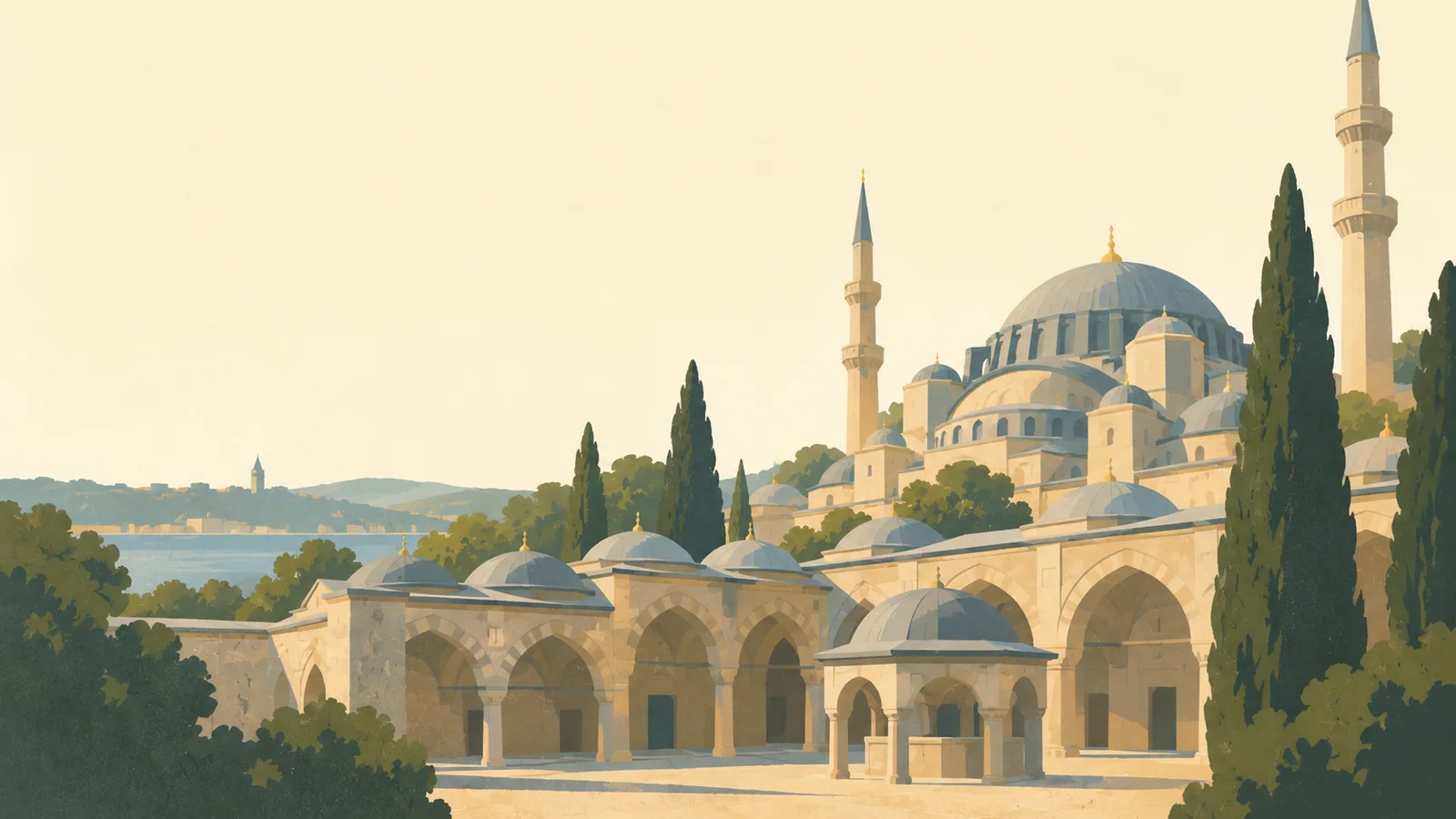
Mosques, Byzantine history, ferries, neighbourhood food and a city that rewards wandering. The old city is only one piece of it. This city guide groups the destination into six useful areas so the stay works on the ground, not only on a country map.
Is this your trip?
Who Istanbul is for
First-timers travellers
Mosques, Byzantine history, ferries, neighbourhood food and a city that rewards wandering. The old city is only one piece of it.
Travellers with 3–5 days
That window gives Istanbul enough room for one anchor area and one contrasting cluster per day.
Markets and ferries
Eminönü & Grand Bazaar and Karaköy & Galata make that interest practical rather than a country-level promise.
Area-led planners
Six fixed clusters make it easier to choose a base and avoid repeated cross-destination transfers.
Maybe not for you: A compressed checklist is the weak version of Istanbul. The Bosphorus is a transport axis, not a decorative line; crossing continents at rush hour can consume the day
Season by season
When to visit Istanbul
April–June and September–October. Rounded Mediterranean planning normals: hot dry summers and mild, wetter winters. Conditions can still change sharply by elevation, coast and exposure, so use the chart for route timing and the current forecast for the day itself.
- Best
Spring
March–May
Mild days, green landscapes and rising demand around holidays.
- Mixed
Summer
June–August
Hot, bright and busy; shade and early starts materially improve city days.
- Best
Autumn
September–November
Warm early weeks, softer light and rain returning later in the season.
- Good
Winter
December–February
Cooler and wetter, with shorter hours but much lighter visitor pressure.
Weather · monthly normals
Rounded Mediterranean planning normals: hot dry summers and mild, wetter winters. Values are rounded planning normals rather than a live forecast.
Do fewer things better
Things to do in Istanbul
A short, ordered set of experiences with the timing or planning catch that makes each one work.
- 1
Start with Sultanahmet
Sultanahmet
Hagia Sophia, Blue Mosque and palace history in one dense ridge
- 2
Walk Eminönü & Grand Bazaar without stacking it
Eminönü & Grand Bazaar
Commercial old city feeding the Golden Horn and Bosphorus
- 3
Use Karaköy & Galata for architecture and evenings
Karaköy & Galata
Port history, steep lanes and contemporary dining
- 4
Give Kadıköy & Moda a deliberate half-day
Kadıköy & Moda
Asian-side market streets, ferries and a long waterfront
- 5
See Beşiktaş & Ortaköy outside peak hours
Beşiktaş & Ortaköy
Palaces, universities and busy local transport
- 6
Keep Balat & Fener weather-flexible
Balat & Fener
Golden Horn hills with churches, synagogues and lived-in streets
The Bosphorus is a transport axis, not a decorative line; crossing continents at rush hour can consume the day
Area by area
The neighbourhoods of Istanbul
A real map at local-city scale: enough geography to choose a base, compare areas and group a day. Numbered places match the notes below.
| Area | What it is like | Why go |
|---|---|---|
1 Sultanahmet first imperial sights | Hagia Sophia, Blue Mosque and palace history in one dense ridge | Use Sultanahmet when first imperial sights matters more than crossing the whole destination. |
2 Eminönü & Grand Bazaar markets and ferries | Commercial old city feeding the Golden Horn and Bosphorus | Use Eminönü & Grand Bazaar when markets and ferries matters more than crossing the whole destination. |
3 Karaköy & Galata architecture and evenings | Port history, steep lanes and contemporary dining | Use Karaköy & Galata when architecture and evenings matters more than crossing the whole destination. |
4 Kadıköy & Moda food and local life | Asian-side market streets, ferries and a long waterfront | Use Kadıköy & Moda when food and local life matters more than crossing the whole destination. |
5 Beşiktaş & Ortaköy Bosphorus neighbourhoods | Palaces, universities and busy local transport | Use Beşiktaş & Ortaköy when Bosphorus neighbourhoods matters more than crossing the whole destination. |
6 Balat & Fener colour and layered communities | Golden Horn hills with churches, synagogues and lived-in streets | Use Balat & Fener when colour and layered communities matters more than crossing the whole destination. |
Choose the base, then the hotel
Where to stay in Istanbul
For most first visits: Sultanahmet for first imperial sights.
Sultanahmet
Hagia Sophia, Blue Mosque and palace history in one dense ridge Choose it when that trade-off should shape mornings and evenings.
Eminönü & Grand Bazaar
Commercial old city feeding the Golden Horn and Bosphorus Choose it when that trade-off should shape mornings and evenings.
Karaköy & Galata
Port history, steep lanes and contemporary dining Choose it when that trade-off should shape mornings and evenings.
Kadıköy & Moda
Asian-side market streets, ferries and a long waterfront Choose it when that trade-off should shape mornings and evenings.
Order with a point of view
What to eat in Istanbul
Local food is more useful as an area decision than as a checklist of famous dishes.
- 01
Balık ekmek
Sultanahmet
Fish sandwiches make sense beside working ferry traffic
- 02
Mantı
Eminönü & Grand Bazaar
Small dumplings with yoghurt and spice reward a specialist
- 03
Kokoreç
Karaköy & Galata
Seasoned grilled offal is a late-night street classic
- 04
İskender kebap
Kadıköy & Moda
Sliced meat, bread, tomato and browned butter need a serious grill
- 05
Baklava
Beşiktaş & Ortaköy
Compare pistachio freshness and restrained syrup at a dedicated shop
Useful on the ground
Local tips for Istanbul
Plan the transfer, not only the distance
The Bosphorus is a transport axis, not a decorative line; crossing continents at rush hour can consume the day
Visa and entry
Turkey's entry rules are passport-specific. Some visitors use an e-visa, others need a consular visa, and some are visa-free; check the official rule before paying for flights.
Money and cards
Cards work in hotels and established restaurants, but cash is useful in markets, buses and rural stops. ATMs may charge local and foreign fees.
SIM and data
Local SIMs and eSIMs are useful, especially for domestic flights and maps. Registration rules and prices change; buy from a reputable provider.
Plugs and power
Turkey uses 230 V and type C or F sockets. Most European chargers fit; other visitors need an adapter.
Common questions
Quick answers about Istanbul
- When is the best time to visit Istanbul?
- April–June and September–October. Rounded Mediterranean planning normals: hot dry summers and mild, wetter winters. Conditions can still change sharply by elevation, coast and exposure, so use the chart for route timing and the current forecast for the day itself.
- How many days do you need in Istanbul?
- 3–5 days. Mosques, Byzantine history, ferries, neighbourhood food and a city that rewards wandering. The old city is only one piece of it. This city guide groups the destination into six useful areas so the stay works on the ground, not only on a country map.
- Where should you stay in Istanbul?
- Sultanahmet for first imperial sights. Hagia Sophia, Blue Mosque and palace history in one dense ridge Choose it when that trade-off should shape mornings and evenings.
Keep building the route
Istanbul is part of Turkey
Use the country guide for visa, money, long-distance transport and the route between cities. Then compare the other worked-out stops below.