

Al Ain: what to expect
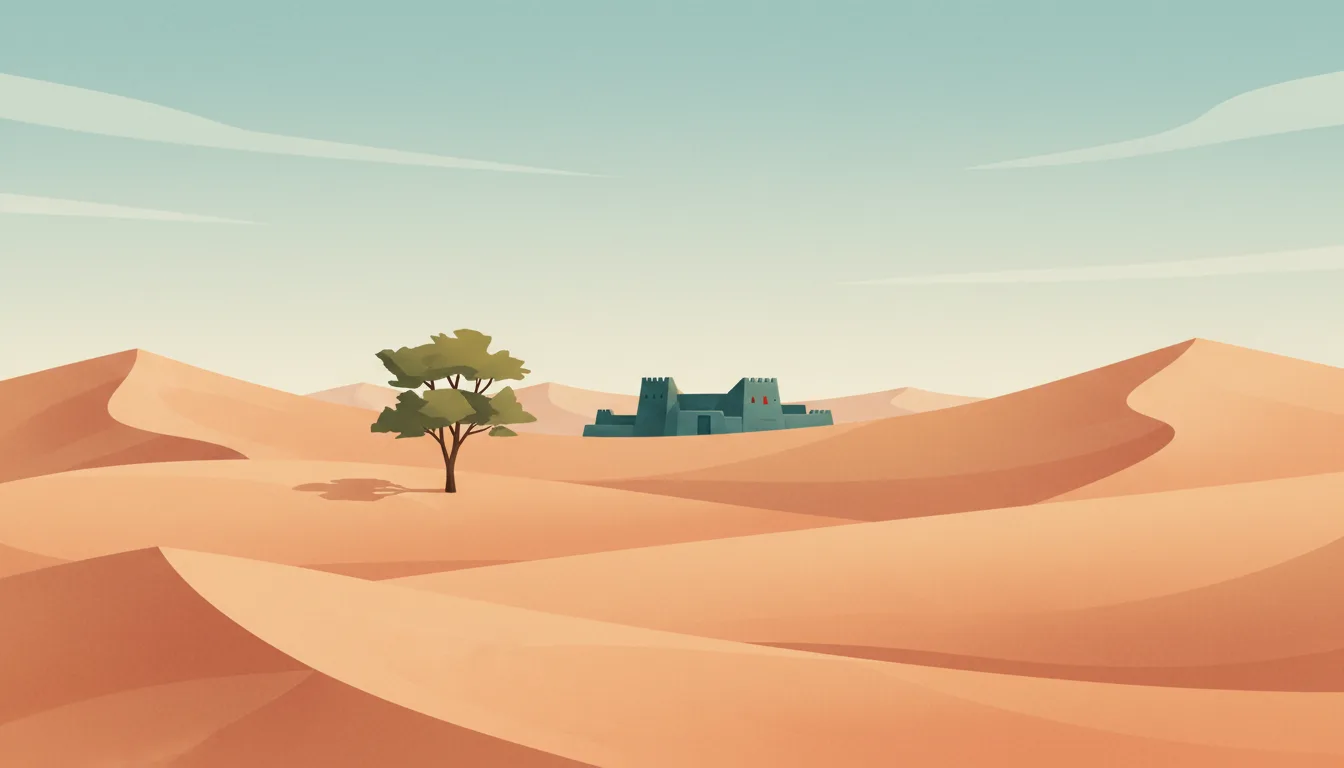
Al Ain's falaj-irrigated palm groves, mud-brick forts and the World Heritage oasis show the country before oil; Jebel Hafeet's summit road gives evening views over the desert to Oman. This city guide groups the destination into six useful areas so the stay works on the ground, not only on a country map.
Is this your trip?
Who Al Ain is for
History travellers
Al Ain's falaj-irrigated palm groves, mud-brick forts and the World Heritage oasis show the country before oil; Jebel Hafeet's summit road gives evening views over the desert to Oman.
Travellers with 1–2 days
That window gives Al Ain enough room for one anchor area and one contrasting cluster per day.
Forts and history
Al Jahili & Al Ain Museum and Hili make that interest practical rather than a country-level promise.
Area-led planners
Six fixed clusters make it easier to choose a base and avoid repeated cross-destination transfers.
Maybe not for you: A compressed checklist is the weak version of Al Ain. Treat the suggested stay as time on the ground: weather, timed entry, ferries or mountain roads can remove half a day.
Season by season
When to visit Al Ain
October–April. Rounded hot-desert planning normals: intense summer heat, cool winter nights and little reliable rain. Conditions can still change sharply by elevation, coast and exposure, so use the chart for route timing and the current forecast for the day itself.
- Best
Winter
December–February
Comfortable walking days and cool nights make this the easiest period.
- Best
Spring
March–April
Warm, mostly dry and increasingly hot by afternoon.
- Avoid
Summer
May–September
Extreme heat makes exposed days unsafe and shifts useful time to dawn and evening.
- Good
Autumn
October–November
Heat eases progressively and outdoor routes reopen into the main season.
Weather · monthly normals
Rounded hot-desert planning normals: intense summer heat, cool winter nights and little reliable rain. Values are rounded planning normals rather than a live forecast.
Do fewer things better
Things to do in Al Ain
A short, ordered set of experiences with the timing or planning catch that makes each one work.
- 1
Start with Al Ain Oasis
Al Ain Oasis
World Heritage oasis with shaded paths, eco-centre and Al Ain Palace Museum at its edge
- 2
Walk Al Jahili & Al Ain Museum without stacking it
Al Jahili & Al Ain Museum
Restored 1890s fort with the Thesiger exhibition and the national museum nearby
- 3
Use Hili for archaeology and gardens
Hili
Bronze Age tombs and a family park north of the centre
- 4
Give Central souks a deliberate half-day
Central souks
The camel market and produce souks work best early in the morning
- 5
See Jebel Hafeet outside peak hours
Jebel Hafeet
Twelve-kilometre switchback road to a 1,240 m summit with hot springs at its base
- 6
Keep Al Ain Zoo & Wadi Adventure weather-flexible
Al Ain Zoo & Wadi Adventure
Large conservation-focused zoo and an artificial surf and rafting park at the mountain's foot
Treat the suggested stay as time on the ground: weather, timed entry, ferries or mountain roads can remove half a day.
Area by area
The neighbourhoods of Al Ain
A real map at local-city scale: enough geography to choose a base, compare areas and group a day. Numbered places match the notes below.
| Area | What it is like | Why go |
|---|---|---|
1 Al Ain Oasis palm groves and falaj channels | World Heritage oasis with shaded paths, eco-centre and Al Ain Palace Museum at its edge | Use Al Ain Oasis when palm groves and falaj channels matters more than crossing the whole destination. |
2 Al Jahili & Al Ain Museum forts and history | Restored 1890s fort with the Thesiger exhibition and the national museum nearby | Use Al Jahili & Al Ain Museum when forts and history matters more than crossing the whole destination. |
3 Hili archaeology and gardens | Bronze Age tombs and a family park north of the centre | Use Hili when archaeology and gardens matters more than crossing the whole destination. |
4 Central souks livestock market and everyday life | The camel market and produce souks work best early in the morning | Use Central souks when livestock market and everyday life matters more than crossing the whole destination. |
5 Jebel Hafeet summit road and views | Twelve-kilometre switchback road to a 1,240 m summit with hot springs at its base | Use Jebel Hafeet when summit road and views matters more than crossing the whole destination. |
6 Al Ain Zoo & Wadi Adventure families and activities | Large conservation-focused zoo and an artificial surf and rafting park at the mountain's foot | Use Al Ain Zoo & Wadi Adventure when families and activities matters more than crossing the whole destination. |
Choose the base, then the hotel
Where to stay in Al Ain
For most first visits: Al Ain Oasis for palm groves and falaj channels.
Al Ain Oasis
World Heritage oasis with shaded paths, eco-centre and Al Ain Palace Museum at its edge Choose it when that trade-off should shape mornings and evenings.
Al Jahili & Al Ain Museum
Restored 1890s fort with the Thesiger exhibition and the national museum nearby Choose it when that trade-off should shape mornings and evenings.
Hili
Bronze Age tombs and a family park north of the centre Choose it when that trade-off should shape mornings and evenings.
Central souks
The camel market and produce souks work best early in the morning Choose it when that trade-off should shape mornings and evenings.
Order with a point of view
What to eat in Al Ain
Local food is more useful as an area decision than as a checklist of famous dishes.
- 01
Emirati breakfast
Al Ain Oasis
Balaleet, chebab pancakes and regag bread with date syrup show a cuisine that hotel buffets rarely serve
- 02
Machboos or harees
Al Jahili & Al Ain Museum
Spiced rice with lamb or fish and slow-cooked wheat porridge are the home dishes of Gulf hospitality
- 03
Cafeteria karak and sandwiches
Hili
South Asian-run counters serve cardamom tea, chapati rolls and juice at every hour for a few dirhams
- 04
Levantine and Iranian grills
Central souks
Shawarma, mixed grills and Persian kebabs reflect the Arab and Iranian communities that built the creek trade
- 05
Dates and camel milk
Jebel Hafeet
Taste named date varieties at a market and try camel-milk chocolate or ice cream rather than a themed dinner show
Useful on the ground
Local tips for Al Ain
Plan the transfer, not only the distance
Treat the suggested stay as time on the ground: weather, timed entry, ferries or mountain roads can remove half a day.
Check entry by passport
Dozens of nationalities enter visa-free or on arrival for 30 to 90 days; others arrange an eVisa through Emirates, Etihad or a hotel. Passports usually need six months' validity.
Dirhams by card almost everywhere
Cards and phone payments cover taxis, souks and food courts; keep small cash for abras, tips and rural fuel stations. The dirham is pegged to the US dollar.
Local eSIM, limited calling apps
Tourist SIMs and eSIMs are cheap at airports; WhatsApp and FaceTime calling are blocked on most networks, so plan on data messaging or a licensed app.
Type G sockets
The UK three-pin standard at 230 V; most hotels also provide USB outlets.
Common questions
Quick answers about Al Ain
- When is the best time to visit Al Ain?
- October–April. Rounded hot-desert planning normals: intense summer heat, cool winter nights and little reliable rain. Conditions can still change sharply by elevation, coast and exposure, so use the chart for route timing and the current forecast for the day itself.
- How many days do you need in Al Ain?
- 1–2 days. Al Ain's falaj-irrigated palm groves, mud-brick forts and the World Heritage oasis show the country before oil; Jebel Hafeet's summit road gives evening views over the desert to Oman. This city guide groups the destination into six useful areas so the stay works on the ground, not only on a country map.
- Where should you stay in Al Ain?
- Al Ain Oasis for palm groves and falaj channels. World Heritage oasis with shaded paths, eco-centre and Al Ain Palace Museum at its edge Choose it when that trade-off should shape mornings and evenings.
Keep building the route
Al Ain is part of United Arab Emirates
Use the country guide for visa, money, long-distance transport and the route between cities. Then compare the other worked-out stops below.
- DubaiVertical city, old creek and desert edge
- Abu DhabiGrand mosque, museums and a calmer capital
- Sharjah & AjmanMuseums, heritage quarters and the northern creeks
- Ras Al Khaimah & Jebel JaisHajar mountains, wadis and quiet beaches
- Fujairah & the east coastGulf of Oman shore, snorkelling and old mosques