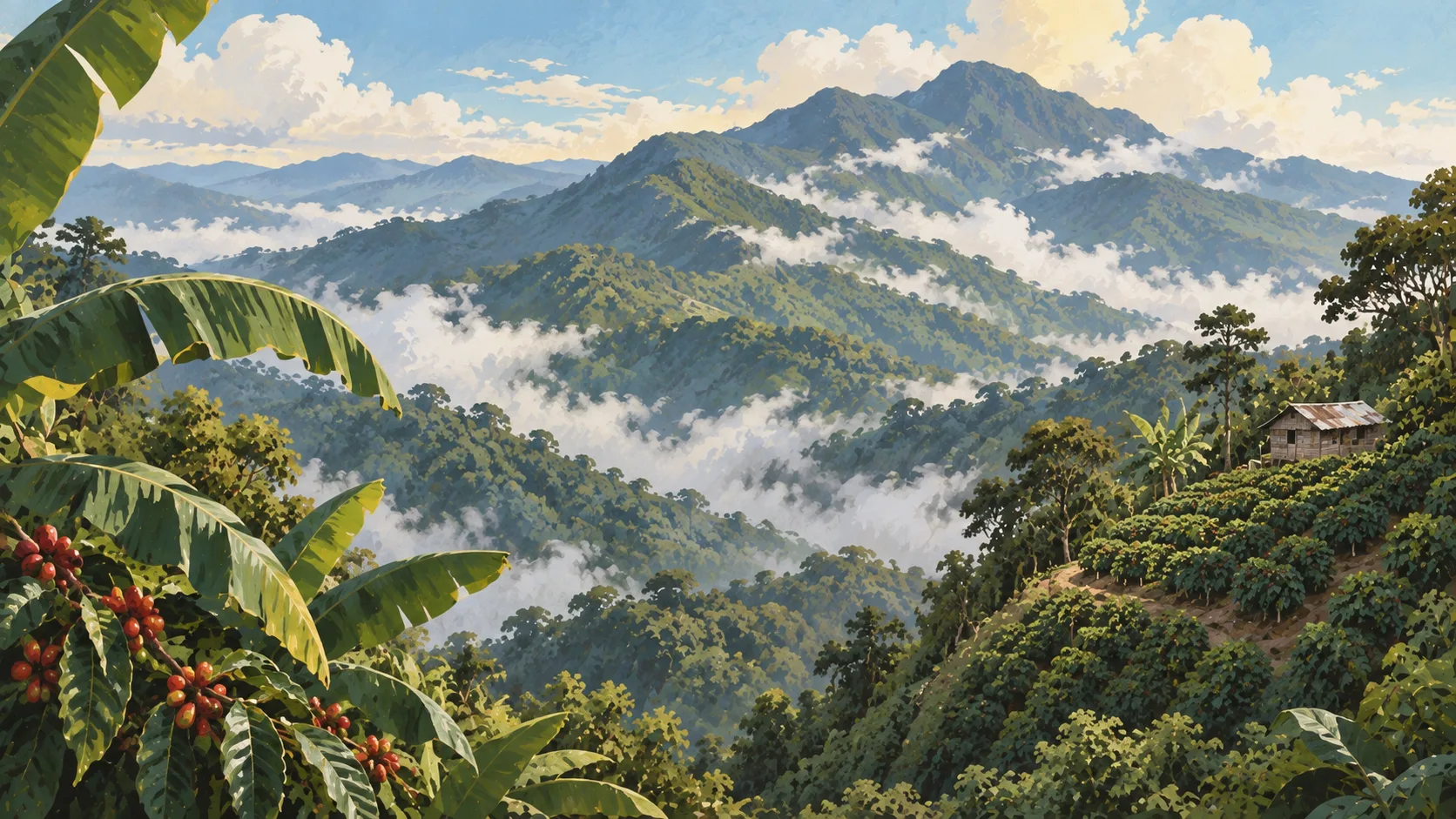


Kingston & Blue Mountains: what to expect
Kingston holds the country's major museums, studios, food and contemporary art; the Blue Mountains add coffee, walking and small stays on slow roads. This travel base guide groups the destination into six useful areas so the stay works on the ground, not only on a country map.
Is this your trip?
Who Kingston & Blue Mountains is for
Music travellers
Kingston holds the country's major museums, studios, food and contemporary art; the Blue Mountains add coffee, walking and small stays on slow roads.
Travellers with 4–5 days
That window gives Kingston & Blue Mountains enough room for one anchor area and one contrasting cluster per day.
First stay and music access
New Kingston and Devon House & Half Way Tree make that interest practical rather than a country-level promise.
Area-led planners
Six fixed clusters make it easier to choose a base and avoid repeated cross-destination transfers.
Maybe not for you: A compressed checklist is the weak version of Kingston & Blue Mountains. Treat the suggested stay as time on the ground: weather, timed entry, ferries or mountain roads can remove half a day.
Season by season
When to visit Kingston & Blue Mountains
December–April. Rounded Caribbean maritime normals: warm trade-wind weather year-round, a drier winter-spring and wetter late summer-autumn. Conditions can still change sharply by elevation, coast and exposure, so use the chart for route timing and the current forecast for the day itself.
- Best
Dry high season
December–April
Lower humidity and rain make movement and water days easiest, with winter price pressure.
- Good
Early wet season
May–June
Warm water and lighter demand come with heavier, usually short showers.
- Mixed
Storm season
July–October
Heat, humidity and Atlantic tropical systems require current checks and flexible bookings.
- Good
Transition
November
Rain and storm risk ease unevenly before the main winter season.
Weather · monthly normals
Rounded Caribbean maritime normals: warm trade-wind weather year-round, a drier winter-spring and wetter late summer-autumn. Values are rounded planning normals rather than a live forecast.
Do fewer things better
Things to do in Kingston & Blue Mountains
A short, ordered set of experiences with the timing or planning catch that makes each one work.
- 1
Start with Downtown Kingston
Downtown Kingston
National institutions and markets best visited with current local advice
- 2
Walk New Kingston without stacking it
New Kingston
Hotels, offices and venues around Emancipation Park
- 3
Use Devon House & Half Way Tree for food and city life
Devon House & Half Way Tree
Central districts between museums and transport
- 4
Give Trench Town a deliberate half-day
Trench Town
Visit through accountable local institutions
- 5
See Port Royal outside peak hours
Port Royal
Harbour-edge town reached by road from the airport
- 6
Keep Blue Mountains weather-flexible
Blue Mountains
Steep roads into farms, forest and small lodges
Treat the suggested stay as time on the ground: weather, timed entry, ferries or mountain roads can remove half a day.
Area by area
The areas of Kingston & Blue Mountains
A real map at local-city scale: enough geography to choose a base, compare areas and group a day. Numbered places match the notes below.
| Area | What it is like | Why go |
|---|---|---|
1 Downtown Kingston history, art and waterfront | National institutions and markets best visited with current local advice | Use Downtown Kingston when history, art and waterfront matters more than crossing the whole destination. |
2 New Kingston first stay and music access | Hotels, offices and venues around Emancipation Park | Use New Kingston when first stay and music access matters more than crossing the whole destination. |
3 Devon House & Half Way Tree food and city life | Central districts between museums and transport | Use Devon House & Half Way Tree when food and city life matters more than crossing the whole destination. |
4 Trench Town music history and community guidance | Visit through accountable local institutions | Use Trench Town when music history and community guidance matters more than crossing the whole destination. |
5 Port Royal maritime and earthquake history | Harbour-edge town reached by road from the airport | Use Port Royal when maritime and earthquake history matters more than crossing the whole destination. |
6 Blue Mountains coffee, hiking and cool stays | Steep roads into farms, forest and small lodges | Use Blue Mountains when coffee, hiking and cool stays matters more than crossing the whole destination. |
Choose the base, then the hotel
Where to stay in Kingston & Blue Mountains
For most first visits: Downtown Kingston for history, art and waterfront.
Downtown Kingston
National institutions and markets best visited with current local advice Choose it when that trade-off should shape mornings and evenings.
New Kingston
Hotels, offices and venues around Emancipation Park Choose it when that trade-off should shape mornings and evenings.
Devon House & Half Way Tree
Central districts between museums and transport Choose it when that trade-off should shape mornings and evenings.
Trench Town
Visit through accountable local institutions Choose it when that trade-off should shape mornings and evenings.
Order with a point of view
What to eat in Kingston & Blue Mountains
Local food is more useful as an area decision than as a checklist of famous dishes.
- 01
Cook-shop plate
Downtown Kingston
Rice and peas, ground provisions, vegetables and a changing stew make the everyday meal
- 02
Jerk from a real pit
New Kingston
Smoke, pimento wood and careful seasoning matter more than a famous roadside sign
- 03
Breakfast with ackee or callaloo
Devon House & Half Way Tree
Ask what is in season and pair it with breadfruit, dumpling or yam
- 04
Coastal fish
Trench Town
Choose today's catch and a busy kitchen; escovitch and brown stew are techniques, not decoration
- 05
Coffee, sorrel or fresh juice
Port Royal
Taste Blue Mountain coffee by origin and give non-alcoholic island drinks equal room
Useful on the ground
Local tips for Kingston & Blue Mountains
Plan the transfer, not only the distance
Treat the suggested stay as time on the ground: weather, timed entry, ferries or mountain roads can remove half a day.
Confirm entry and onward proof
Use Jamaica's official immigration guidance for nationality-specific entry, permitted stay and arrival forms.
Use Jamaican dollars locally
US dollars are quoted in many visitor areas, but Jamaican-dollar prices are usually clearer outside them. Carry small cash and a second card.
Save regional contacts offline
Coverage is useful around towns and weaker in mountain, river and remote-coast areas; outages can follow severe weather.
Type A and B sockets
Jamaica generally uses 110 V with North American-style type A and B sockets.
Common questions
Quick answers about Kingston & Blue Mountains
- When is the best time to visit Kingston & Blue Mountains?
- December–April. Rounded Caribbean maritime normals: warm trade-wind weather year-round, a drier winter-spring and wetter late summer-autumn. Conditions can still change sharply by elevation, coast and exposure, so use the chart for route timing and the current forecast for the day itself.
- How many days do you need in Kingston & Blue Mountains?
- 4–5 days. Kingston holds the country's major museums, studios, food and contemporary art; the Blue Mountains add coffee, walking and small stays on slow roads. This travel base guide groups the destination into six useful areas so the stay works on the ground, not only on a country map.
- Where should you stay in Kingston & Blue Mountains?
- Downtown Kingston for history, art and waterfront. National institutions and markets best visited with current local advice Choose it when that trade-off should shape mornings and evenings.
Keep building the route
Kingston & Blue Mountains is part of Jamaica
Use the country guide for visa, money, long-distance transport and the route between cities. Then compare the other worked-out stops below.