
Who it's for
Is Jamaica right for your trip?
Every country is somebody's favourite. The honest question is whether it is yours, and for this trip.
This is your trip if…
- Music, food, history and landscape matter beyond a resort stay.
- You are happy to choose two bases rather than circle the whole island.
- You want both mountain or river days and Caribbean water.
- You will check current recovery, road and attraction status before each region.
Think twice if…
- You expect public transport to create a seamless luggage-heavy island circuit.
- You want Kingston, Port Antonio, Ocho Rios and Negril in one rushed week.
- You are uncomfortable with winding roads, strong currents or weather-led changes.
- You want reggae, Rastafari or Maroon history reduced to visitor entertainment.
Best time to visit
When is the best time to visit Jamaica?
December–April for drier weather; hurricane season runs June–November. Jamaica is warm year-round, with a drier winter-spring and wetter periods around May and October. Rain varies sharply: Portland and the Blue Mountains are much wetter than the south coast. Atlantic hurricane season spans June through November, and recent storm effects may change roads, beaches and business openings locally.
- Best
Dry high season
December–April
Lower humidity and generally calmer planning coincide with peak room prices and winter demand.
- Good
Spring rains
May–June
Short heavy showers green the island; regional road and river conditions need fresh checks.
- Mixed
Summer
July–August
Hot festival months can work well, but humidity, domestic holidays and storm risk increase.
- Mixed
Wet and storm peak
September–November
Heavy rain and tropical systems can disrupt roads, water and openings; flexibility and insurance matter.
Climate · monthly normals
Hot, relatively dry south-coast capital with spring and autumn rain peaks.
For contrast
Lush north-east coast with substantially more rain in most months.
Festivals and events
What is worth planning around?
Dates a plan should either aim for or steer clear of. Both are useful; the second saves more money.
July
Reggae Sumfest
Montego Bay
A major multi-night festival brings Jamaican dancehall and reggae artists to large live stages.
Buy only through current official channels and arrange late transport before the show.
April
Carnival in Jamaica
Kingston
Mas bands, soca events and a road parade animate the capital over several days.
6 January
Accompong Maroon Festival
Accompong, St Elizabeth
The community marks its treaty and Maroon history through ceremony, food and public gathering.
Attend as a guest, follow community direction and do not treat sacred practice as unrestricted content.
January
Rebel Salute
St Ann
A roots-reggae festival foregrounds conscious music and a distinct all-night atmosphere.
Where to go
Where should you go in Jamaica?
The places that earn their nights, most important first, with how long each deserves. Nobody needs all of them on one trip.
City and local guides
6 worked-out stopsMap numbers match the local guide cards.
- 01
Kingston & Blue Mountains
Caribbean
travel base4–5 daysKingston holds the country's major museums, studios, food and contemporary art; the Blue Mountains add coffee, walking and small stays on slow roads.
Best time: December–April
Explore Kingston & Blue Mountains - 02
Montego Bay
Caribbean
city2–3 daysMontego Bay is convenient for flights, beaches and north-west routes. Its resort strip is only one layer; local food and nearby heritage need deliberate access.
Best time: December–April
Explore Montego Bay - 03
Negril
Caribbean
town3–5 daysChoose between the beach and west-end cliffs rather than shuttling constantly. Negril is relaxed in pace but still busy and highly visitor-facing.
Best time: December–April
Explore Negril - 04
Ocho Rios
Caribbean
town3–4 daysOcho Rios has easy nature access and heavy cruise infrastructure. Early timing and smaller operators improve waterfalls, gardens and river days.
Best time: December–April
Explore Ocho Rios - 05
Port Antonio
Caribbean
town3–5 daysPortland is greener, wetter and slower than the north-west resorts. Boat, rafting and beach conditions need local checks rather than fixed internet promises.
Best time: December–April
Explore Port Antonio - 06
South Coast & Treasure Beach
Caribbean
travel base3–5 daysTreasure Beach, Black River and the south-west suit small stays and drivers, with long links and fewer polished visitor services.
Best time: December–April
Explore South Coast & Treasure Beach
Things to do
What should you do in Jamaica?
Not a bucket list — the handful of things that make this country this country, with the timing catch that stops people doing them well.
- 01
Use Kingston as a real base
Downtown, New Kingston and the hills
Museums, live music, food and Port Royal justify several days; current local route advice matters after dark.
- 02
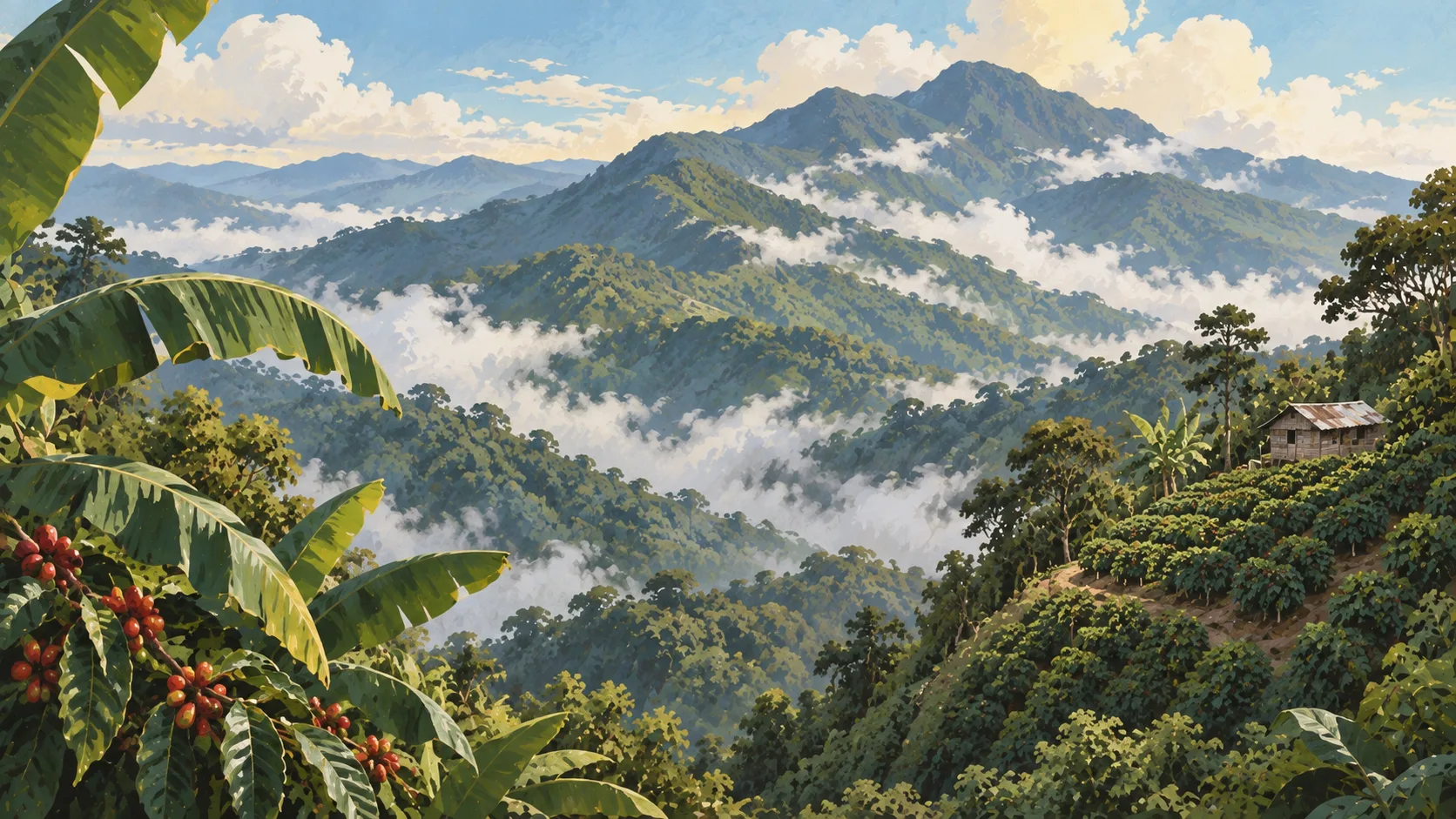
Drink Blue Mountain coffee at origin
Blue Mountains
Choose a farm or roaster that explains altitude, labour and processing rather than selling the name alone.
- 03
Hear a named live set
Kingston or festival venues
Follow artists and sound systems through legitimate events; music history is not a generic bar soundtrack.
- 04
Choose waterfalls by crowd and water
North coast and interior
Conditions, access and cruise schedules change the experience. Early small-group visits beat a waterfall checklist.
- 05
Raft or boat with local river knowledge
Portland or south coast
Rain upstream changes a river quickly; licensed local operators should decide whether the day works.
- 06
Check the road before crossing the island
Every regional transfer
Mountain and coast roads are slow even when open, and storm damage or works can add hours.
How to get around
How do you get around Jamaica?
Kingston and Montego Bay airports serve different halves of the island. Licensed coaches, route taxis and buses connect towns, while private drivers make a multi-base holiday far easier. Self-driving is possible for confident left-side drivers, but narrow roads, aggressive overtaking, darkness and storm damage change the calculation.
Private driver
Often the best trade for two or more regional bases, especially with luggage or after dark. Confirm vehicle, route and price in advance.
Rule of thumb: Cross-island transfer → driver.
Coach and public bus
Intercity coaches serve key cities; local buses are cheaper and less predictable for a timed holiday.
Route taxi
Shared taxis follow set corridors and are useful locally when you understand the destination, fare and luggage limits.
Choose KIN or MBJ deliberately
Arriving at the airport closest to the actual route can save a difficult half-day drive; open-jaw tickets are worth checking.
Passes and cards, honestly
- There is no national visitor transport pass; arrange each regional transfer independently.
- Attraction combinations rarely outweigh choosing fewer, better-timed nature visits.
Travel tips
What should you know before you go?
The things locals assume you know. Most travellers learn them by getting one wrong on day two.
- Patois is not broken English
- Jamaican Patois carries its own grammar, literature and political history. Listen without performing an accent.
- Reggae is one branch
- Dancehall, mento, dub, gospel and sound-system culture matter alongside globally marketed roots reggae.
- Rastafari is a living faith
- Do not treat locks, cannabis or red-gold-green decoration as an invitation to stereotype or intrude.
- Maroon communities set their terms
- History, land and ceremonies belong to sovereign community life. Visit only through recognised local routes.
- Resort Jamaica is geographically narrow
- Spending with local restaurants, guides and small stays broadens the relationship without romanticising poverty.
Travel basics
Visa, money, SIM cards and more
The boring section, which is why it is the one people skip and then regret at the airport.
visa
Confirm entry and onward proof
Use Jamaica's official immigration guidance for nationality-specific entry, permitted stay and arrival forms.
money
Use Jamaican dollars locally
US dollars are quoted in many visitor areas, but Jamaican-dollar prices are usually clearer outside them. Carry small cash and a second card.
connectivity
Save regional contacts offline
Coverage is useful around towns and weaker in mountain, river and remote-coast areas; outages can follow severe weather.
plugs
Type A and B sockets
Jamaica generally uses 110 V with North American-style type A and B sockets.
safety
Use current routes and trusted transport
Risk varies locally. Ask accommodations about present conditions, avoid casual night transfers and do not display valuables.
health
Water, mosquitoes and sun
Follow current clinical advice, protect against mosquitoes and heat, and treat rivers or strong sea conditions with local caution.
Trip costs
How much does a trip to Jamaica cost?
A mid-range trip usually needs about €95–€190 per person per day, before long-haul flights. Jamaica can be expensive around resorts, private drivers and marine excursions. Local meals, guesthouses and a route with only two regions protect value, but long transfers remain a real cost because the island's roads are slower than its size suggests.
Shoestring
€€55–95
per person / day
- Stay
- Guesthouse or simple room
- Food
- Cook shops, patties and markets
- Transport
- Route taxi and bus
Best with one region, light luggage and flexible time.
Mid-range
€€95–190
per person / day
- Stay
- Good small hotel or villa room
- Food
- Local restaurants and seafood
- Transport
- Driver transfers plus local taxis
The realistic level for two bases in ten days.
Comfortable
€€260–550
per person / day
- Stay
- Boutique hotel or quality resort
- Food
- Destination dining and private meals
- Transport
- Dedicated driver and private guides
Spend on current local expertise, location and smaller nature access.
Sample itineraries
Starting points, not scripts
Each of these is a real request you could hand to Menta as written. Change the people, the month and the pace; the structure will hold.
Kingston and Portland
9 days- Kingston
- Blue Mountains
- Port Antonio
A culture, mountain and rainforest-coast route using one planned transfer and weather-aware local days.
North and west coast
10 days- Montego Bay
- Ocho Rios
- Negril
A first beach-and-nature route with only two sleeping bases and cruise-crowd timing built in.
Kingston to the south-west
14 days- Kingston
- Blue Mountains
- Treasure Beach
- Black River
- Negril
A slower independent route linking culture, mountains and community-led south-coast stays before the western beach.
Common questions
Quick answers about travel in Jamaica
Short answers to the questions people ask before they book. Use the full guide for the detail and trade-offs.
- When is the best time to visit Jamaica?
- December–April for drier weather; hurricane season runs June–November. Jamaica is warm year-round, with a drier winter-spring and wetter periods around May and October. Rain varies sharply: Portland and the Blue Mountains are much wetter than the south coast. Atlantic hurricane season spans June through November, and recent storm effects may change roads, beaches and business openings locally.
- How much does a trip to Jamaica cost?
- Plan about €95–€190 per person per day for a mid-range trip, before long-haul flights. Jamaica can be expensive around resorts, private drivers and marine excursions. Local meals, guesthouses and a route with only two regions protect value, but long transfers remain a real cost because the island's roads are slower than its size suggests.
- How do you get around Jamaica?
- Kingston and Montego Bay airports serve different halves of the island. Licensed coaches, route taxis and buses connect towns, while private drivers make a multi-base holiday far easier. Self-driving is possible for confident left-side drivers, but narrow roads, aggressive overtaking, darkness and storm damage change the calculation.
More destinations
Where else?
- JapanA megacity, a thousand temples and trains that leave to the second.
- ChinaImperial capitals, fast trains, regional tables and landscapes at continental scale.
- ItalyThree civilisations' worth of cities, and lunch takes two hours.
- SpainEurope's longest high-speed rail, five cultures, and lunch at three.
- PortugalTwo hilly cities, a valley of port and a long Atlantic coast.
- GreeceAntiquity, two hundred inhabited islands and a ferry timetable to respect.
- IcelandOne road, no trains, and weather that rewrites the plan daily.
- ThailandStreet food, temples, two coasts and Asia's cheapest good hotel room.
- VietnamTwo capitals, one slow railway and the best street food in Asia.
- MoroccoMedinas, the High Atlas and the Sahara, a ferry ride from Europe.
- MexicoA 3,000-year-old civilisation, the best street food on earth, and two coastlines.
- Costa RicaCloud forest, two coasts, volcanoes and wildlife best seen slowly.
- The BahamasShallow banks, island towns and water-led journeys between cays.
- BarbadosCoral coasts, Bajan food and an island with several speeds.
- CubaLayered cities, karst valleys and a journey that needs patience.
- Dominican RepublicCaribbean cities, mountain interiors and coasts beyond the resort gate.
- FranceGreat cities, long lunches, mountains and a coast for every mood.
- United KingdomHistoric cities, wild coastlines and weather worth planning around.
- GermanyBig culture, small cities, forests and trains with caveats.
- NetherlandsCanals, art, cycling and small cities that reward staying longer.
- CroatiaAdriatic islands, stone towns, clear water and a crowded August.
- TurkeyMosques, markets, ancient cities and coastlines on a huge scale.
- SwitzerlandAlps, lakes and trains that make the expensive route feel simple.
- AustriaImperial cities, Alpine lakes, music and excellent rail links.
- NorwayFjords, midnight light, coastal towns and beautiful long distances.
- SwedenArchipelagoes, forests, design and summer light that lasts.
- FinlandLakes, saunas, forests and a capital built for slow days.
- CzechiaBeautiful old towns, serious beer and an easy train route beyond Prague.
- PolandDeep history, lively cities, forests, lakes and mountain food.
- IrelandAtlantic cliffs, music-filled towns, green roads and weather in charge.
- AustraliaBig distances, old landscapes, city beaches and wildlife in the wild.
- New ZealandVolcanoes, fjords, coast roads and a country made for the outdoors.
- IndonesiaVolcanoes, rice fields, reefs and thousands of islands to choose from.
- South KoreaFast cities, quiet temples, mountain trails and food at every hour.
- United StatesHuge landscapes, distinct cities and a route that must respect the map.
- CanadaBig wilderness, thoughtful cities and distances that need their own plan.
- ArgentinaBig-city appetite, Andean wine country and Patagonia at full scale.
- BrazilAtlantic cities, living cultures and continental-scale nature.
- ChileDesert sky, Pacific cities, volcano lakes and Patagonian wind.
- ColombiaHighland cities, Caribbean history and coffee-country roads.
- PeruAndean cities, living food cultures and Amazon headwaters.






















Jamaica is a good trip. Make it your trip.
Everything on this page is context Menta already has. Add the people going, the dates and what you actually care about, and the plan starts smarter than a blank chat.
Two journeys free. No payment details. 0 % markup on bookings.
Start planning JamaicaGuide last reviewed 2026-09. Check visa rules against your own passport before you book.