
Who it's for
Is Colombia right for your trip?
Every country is somebody's favourite. The honest question is whether it is yours, and for this trip.
This is your trip if…
- You want several distinct city cultures rather than one capital plus day trips.
- Coffee, music, art and twentieth-century history deserve real context.
- You are comfortable linking mountain regions by short domestic flights.
- You will choose community-led and nature guides carefully.
Think twice if…
- You want a completely spontaneous overland route with no attention to current regional conditions.
- You dislike altitude, humidity or long winding road transfers.
- You expect Cartagena's historic centre to be quiet or inexpensive.
- You want to reduce Colombia to nightlife, coffee farms or a story about its violent past.
Best time to visit
When is the best time to visit Colombia?
December–March and July–August are often drier; conditions vary by altitude and coast. Near-equatorial daylight and temperature change little, while rain and elevation change everything. Bogotá is cool at 2,600 metres, Medellín is springlike, the Caribbean is hot and humid, and the coffee mountains have two rain peaks. Drier national windows are tendencies, not guarantees.
- Best
Drier start
December–March
Often the easiest multi-region window, with strong demand around Christmas, New Year and January festivals.
- Mixed
First rains
April–May
Mountain showers intensify and roads slow, while useful mornings and greener landscapes remain.
- Good
Mid-year dry spell
June–August
Many Andean areas ease briefly; Caribbean heat, domestic holidays and city festivals raise demand.
- Mixed
Second rains
September–November
Bogotá and coffee-country rain returns; the Caribbean enters its wetter storm-risk period.
Climate · monthly normals
High-Andean capital with mild days, cool nights and rain in every month.
For contrast
Hot Caribbean coast with a pronounced wetter season from roughly May into November.
Festivals and events
What is worth planning around?
Dates a plan should either aim for or steer clear of. Both are useful; the second saves more money.
February or March
Carnaval de Barranquilla
Barranquilla
Four major days of Caribbean dance, costume and music sit within a much longer local season.
Book the city and ticketed events early; heat and street closures shape every day.
August
Feria de las Flores
Medellín
The silletero parade and neighbourhood events connect the city to Antioquia's flower-growing culture.
25–30 December
Feria de Cali
Cali
Salsa, orchestras and public events make the city the country's strongest year-end music destination.
2–7 January
Carnaval de Negros y Blancos
Pasto
Andean public art, parade traditions and play fill the southern highland city.
Understand the festival's history and current local etiquette before joining its colour rituals.
Where to go
Where should you go in Colombia?
The places that earn their nights, most important first, with how long each deserves. Nobody needs all of them on one trip.
City and local guides
6 worked-out stopsMap numbers match the local guide cards.
- 01
Bogotá
Northern Andes
city3–4 daysThe capital is cool, immense and intellectually rewarding. Group the historic centre, major museums and northern neighbourhoods rather than crossing the plateau repeatedly.
Best time: May–September
Explore Bogotá - 02
Medellín
Northern Andes
city3–4 daysMedellín's transport and public-space projects matter, but they need context beyond innovation mythology; use the city for neighbourhood culture and nearby mountain towns.
Best time: The locally drier season
Explore Medellín - 03
Cartagena
Northern Andes
city3–4 daysThe old city is visually powerful and heavily monetised. Stay long enough for Getsemaní, museums and a coast day, but do not confuse resort islands with the whole Caribbean region.
Best time: December–April
Explore Cartagena - 04
Coffee Region
Northern Andes
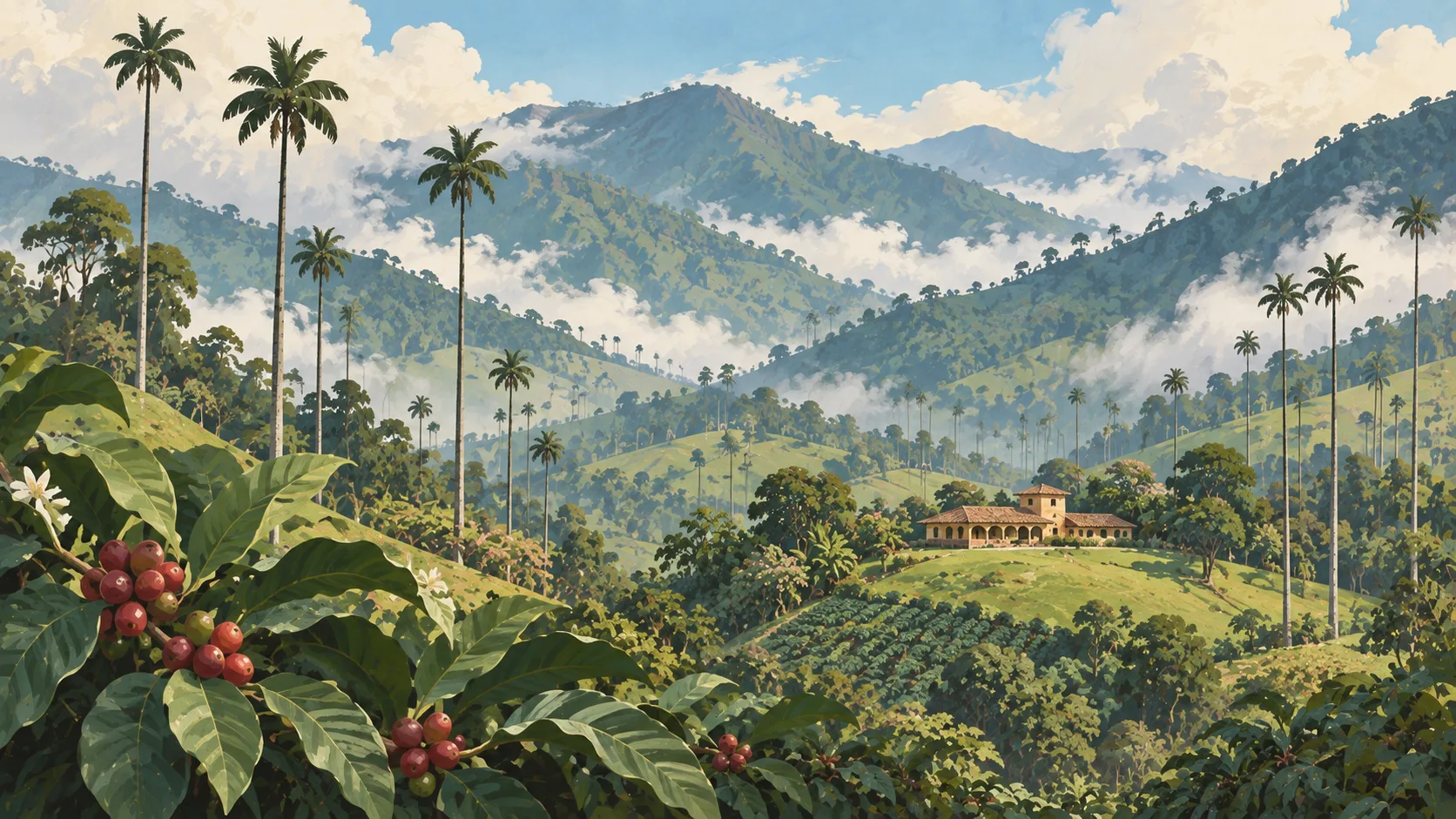
travel base4–6 daysSalento is one gateway, not the product. Pereira, Manizales, Armenia and smaller towns support farm visits, hot springs and cloud-forest routes.
Best time: The locally drier season
Explore Coffee Region - 05
Cali
Northern Andes
city2–3 daysCali rewards music-led travellers who book a class, live orchestra or informed club route and leave room for its Afro-Pacific food traditions.
Best time: December–April, adjusted for the coast
Explore Cali - 06
Santa Marta & Tayrona
Northern Andes
travel base3–5 daysSanta Marta is the transport base; Tayrona, Minca and Indigenous-led Sierra routes each need separate access, closure and ethical checks.
Best time: December–April
Explore Santa Marta & Tayrona
Things to do
What should you do in Colombia?
Not a bucket list — the handful of things that make this country this country, with the timing catch that stops people doing them well.
- 01
Give Bogotá one museum day
Historic centre
The Gold Museum, National Museum and memory institutions provide a stronger introduction than a rushed cable-car panorama.
- 02
Learn Medellín beyond a transformation tour
Central and hillside districts
Choose guides who discuss displacement, inequality and present-day neighbourhood agency rather than selling one redemption narrative.
- 03
Walk Cartagena early
Walled city and Getsemaní
Heat and day visitors build quickly; dawn and evening reveal the urban fabric with less pressure.
- 04
Visit a working coffee farm
Coffee Cultural Landscape
Ask about varietals, labour, price and land, not only how to pose with a basket.
- 05
Hear salsa live
Cali
A lesson makes the social floor more enjoyable; choose venues by orchestra and local advice, not only size.
- 06
Check Tayrona's calendar
Caribbean coast
The park has periodic closures connected to ecological recovery and Indigenous stewardship; confirm dates officially.
How to get around
How do you get around Colombia?
Short domestic flights save whole days between Bogotá, Medellín, Cartagena, Cali and the coast. Coaches work within regional clusters but mountain distances are slow. Bogotá and Medellín have useful mass transit; regional cars or drivers help in coffee country, while park and island boats require operator scrutiny.
Domestic flights
Usually the right link between distant city clusters; compare baggage and airport transfers with overnight-coach savings.
Rule of thumb: Different mountain or coast region → fly.
Intercity bus
Extensive and economical, but winding roads turn modest distances into long days.
Urban transit
Bogotá's bus network and Medellín's integrated rail and cable systems are useful when routes and late-night exits are planned.
Driver or regional rental
A driver often beats self-driving for coffee-country day loops; avoid assuming every rural route is suitable after dark.
Passes and cards, honestly
- No national visitor pass replaces separate flights and regional ground transport.
- National parks, popular treks and island boats have independent access rules; verify the actual entry, not only the transfer.
Travel tips
What should you know before you go?
The things locals assume you know. Most travellers learn them by getting one wrong on day two.
- Do not narrate Colombia through cartels
- The fascination is exhausting and commercially distorting. Prioritise contemporary culture and victim-centred historical institutions.
- Regions identify strongly
- Rolo, paisa, costeño, caleño and other identities shape speech, food and social rhythm; national generalisations fail quickly.
- Coffee quality is not automatic
- Much excellent coffee was historically exported. Seek producers and cafés that explain origin and pay rather than assuming every cup is special.
- Indigenous land is not scenery
- Sierra Nevada and Amazon visits should follow community permissions and locally controlled providers.
- Warmth is not instant intimacy
- Polite greetings matter and personal questions can arrive early, but visitors still need boundaries and ordinary urban judgement.
Travel basics
Visa, money, SIM cards and more
The boring section, which is why it is the one people skip and then regret at the airport.
visa
Confirm passport and onward rules
Check the official Colombian entry source for permitted stay, electronic forms and any proof of onward travel.
money
Pesos, cards and small cash
Cards work widely in cities, while markets, rural transport and small towns still need cash. Decline unhelpful foreign-currency conversion at terminals.
connectivity
Keep offline route copies
Data is strong in cities and weak on mountain roads, in parks and along remote coast.
plugs
Type A and B sockets
Colombia uses 110 V with North American-style type A and B sockets.
safety
Current local advice outranks old reputations
Conditions vary by district and region. Use trusted transport at night and check official advice before remote road or border travel.
health
Altitude, mosquitoes and heat
Bogotá can affect new arrivals; lowland regions require current mosquito-borne disease and vaccination advice.
Trip costs
How much does a trip to Colombia cost?
A mid-range trip usually needs about €65–€135 per person per day, before long-haul flights. Colombia remains accessible at mid-range, but boutique Cartagena, private nature transport and frequent flights can double the daily figure. Good city food, buses and locally owned stays preserve value without turning the route into a backpacker marathon.
Shoestring
€€35–65
per person / day
- Stay
- Hostel or simple guesthouse
- Food
- Set lunches, bakeries and markets
- Transport
- Bus, metro and sale flights
Comfortable in cities and established corridors; remote access costs remain.
Mid-range
€€65–135
per person / day
- Stay
- Good hotel or finca
- Food
- Regional restaurants and coffee
- Transport
- Domestic flights plus shared transfers
A practical level for four bases in two weeks.
Comfortable
€€180–380
per person / day
- Stay
- Boutique hotel or nature lodge
- Food
- Chef-led and specialist dining
- Transport
- Flexible flights, drivers and private guides
Spend on context, location and responsible nature access.
Sample itineraries
Starting points, not scripts
Each of these is a real request you could hand to Menta as written. Change the people, the month and the pace; the structure will hold.
Three-city Colombia
11 days- Bogotá
- Medellín
- Cartagena
A strong first route by air, with three climates and enough neighbourhood time to avoid airport tourism.
Andes and coffee
15 days- Bogotá
- Medellín
- Jardín
- Coffee Region
Mountain cities and smaller towns linked by one flight and deliberately slow regional roads.
Caribbean and Cali
18 days- Cartagena
- Santa Marta
- Tayrona
- Cali
- Bogotá
A culture-and-nature route that checks park access first and uses flights for the long coast-to-south diagonal.
Common questions
Quick answers about travel in Colombia
Short answers to the questions people ask before they book. Use the full guide for the detail and trade-offs.
- When is the best time to visit Colombia?
- December–March and July–August are often drier; conditions vary by altitude and coast. Near-equatorial daylight and temperature change little, while rain and elevation change everything. Bogotá is cool at 2,600 metres, Medellín is springlike, the Caribbean is hot and humid, and the coffee mountains have two rain peaks. Drier national windows are tendencies, not guarantees.
- How much does a trip to Colombia cost?
- Plan about €65–€135 per person per day for a mid-range trip, before long-haul flights. Colombia remains accessible at mid-range, but boutique Cartagena, private nature transport and frequent flights can double the daily figure. Good city food, buses and locally owned stays preserve value without turning the route into a backpacker marathon.
- How do you get around Colombia?
- Short domestic flights save whole days between Bogotá, Medellín, Cartagena, Cali and the coast. Coaches work within regional clusters but mountain distances are slow. Bogotá and Medellín have useful mass transit; regional cars or drivers help in coffee country, while park and island boats require operator scrutiny.
More destinations
Where else?
- JapanA megacity, a thousand temples and trains that leave to the second.
- ChinaImperial capitals, fast trains, regional tables and landscapes at continental scale.
- ItalyThree civilisations' worth of cities, and lunch takes two hours.
- SpainEurope's longest high-speed rail, five cultures, and lunch at three.
- PortugalTwo hilly cities, a valley of port and a long Atlantic coast.
- GreeceAntiquity, two hundred inhabited islands and a ferry timetable to respect.
- IcelandOne road, no trains, and weather that rewrites the plan daily.
- ThailandStreet food, temples, two coasts and Asia's cheapest good hotel room.
- VietnamTwo capitals, one slow railway and the best street food in Asia.
- MoroccoMedinas, the High Atlas and the Sahara, a ferry ride from Europe.
- MexicoA 3,000-year-old civilisation, the best street food on earth, and two coastlines.
- Costa RicaCloud forest, two coasts, volcanoes and wildlife best seen slowly.
- The BahamasShallow banks, island towns and water-led journeys between cays.
- BarbadosCoral coasts, Bajan food and an island with several speeds.
- CubaLayered cities, karst valleys and a journey that needs patience.
- Dominican RepublicCaribbean cities, mountain interiors and coasts beyond the resort gate.
- JamaicaMusic, mountain rain, strong food and coasts with different rhythms.
- FranceGreat cities, long lunches, mountains and a coast for every mood.
- United KingdomHistoric cities, wild coastlines and weather worth planning around.
- GermanyBig culture, small cities, forests and trains with caveats.
- NetherlandsCanals, art, cycling and small cities that reward staying longer.
- CroatiaAdriatic islands, stone towns, clear water and a crowded August.
- TurkeyMosques, markets, ancient cities and coastlines on a huge scale.
- SwitzerlandAlps, lakes and trains that make the expensive route feel simple.
- AustriaImperial cities, Alpine lakes, music and excellent rail links.
- NorwayFjords, midnight light, coastal towns and beautiful long distances.
- SwedenArchipelagoes, forests, design and summer light that lasts.
- FinlandLakes, saunas, forests and a capital built for slow days.
- CzechiaBeautiful old towns, serious beer and an easy train route beyond Prague.
- PolandDeep history, lively cities, forests, lakes and mountain food.
- IrelandAtlantic cliffs, music-filled towns, green roads and weather in charge.
- AustraliaBig distances, old landscapes, city beaches and wildlife in the wild.
- New ZealandVolcanoes, fjords, coast roads and a country made for the outdoors.
- IndonesiaVolcanoes, rice fields, reefs and thousands of islands to choose from.
- South KoreaFast cities, quiet temples, mountain trails and food at every hour.
- United StatesHuge landscapes, distinct cities and a route that must respect the map.
- CanadaBig wilderness, thoughtful cities and distances that need their own plan.
- ArgentinaBig-city appetite, Andean wine country and Patagonia at full scale.
- BrazilAtlantic cities, living cultures and continental-scale nature.
- ChileDesert sky, Pacific cities, volcano lakes and Patagonian wind.
- PeruAndean cities, living food cultures and Amazon headwaters.



















Colombia is a good trip. Make it your trip.
Everything on this page is context Menta already has. Add the people going, the dates and what you actually care about, and the plan starts smarter than a blank chat.
Two journeys free. No payment details. 0 % markup on bookings.
Start planning ColombiaGuide last reviewed 2026-09. Check visa rules against your own passport before you book.