
Who it's for
Is Serbia right for your trip?
Every country is somebody's favourite. The honest question is whether it is yours, and for this trip.
This is your trip if…
- You like capital cities with strong nightlife, café culture and unpolished history.
- You are happy to hire a car for gorges, plateaus and monastery roads.
- Long, meat-heavy meals with rakija and live music are part of the appeal, not a problem.
- You want a Balkan trip that is inexpensive without being remote or difficult.
Think twice if…
- You need a coastline; Serbia is landlocked and the rivers are not beaches.
- You expect trains to link the whole country; only Belgrade–Novi Sad and the Bar line are useful.
- You want vegetarian or vegan food to be easy outside Belgrade and Novi Sad.
- Mid-July heat in Belgrade or the plain would spoil city days for you.
Best time to visit
When is the best time to visit Serbia?
May–June and September–early October; July brings festivals and heat. Late spring and early autumn give warm days, green or golden landscapes and manageable city heat. July and August are hot on the plain and in Belgrade, softened only by the mountains and the summer festival calendar. Winters are grey and cold with snow on Zlatibor and Tara, when Belgrade turns inward to kafanas and the ski villages fill.
- Best
Spring
April–June
Fruška Gora and the Drina turn green, Belgrade terraces open and the heat has not yet arrived.
- Mixed
Summer
July–August
Festival season in Novi Sad, Guča and Niš, but 35°C afternoons on the plain push city walking into the evenings.
- Best
Autumn
September–October
Grape harvest in Vojvodina and Sremski Karlovci, clear mountain days and calmer prices.
- Mixed
Winter
November–March
Belgrade is atmospheric but grey; Zlatibor and Kopaonik become ski resorts while rural roads can ice.
Climate · monthly normals
Continental capital at the Sava–Danube confluence: hot summers with June thunderstorms, cold grey winters and the košava wind in between.
For contrast
Mountain plateau at about 1,000 metres: cool summers that are ten degrees below Belgrade and a snow season that runs from December into March.
Festivals and events
What is worth planning around?
Dates a plan should either aim for or steer clear of. Both are useful; the second saves more money.
Early July
EXIT Festival
Petrovaradin Fortress, Novi Sad
One of Europe's largest music festivals fills the fortress tunnels and ramparts for four nights.
Novi Sad rooms sell out months ahead; many visitors stay in Belgrade and take the train.
Early August
Guča Trumpet Festival
Guča, Dragačevo
Brass bands compete in a small town that becomes a week-long open-air party of roast meat and Roma and Serbian trumpet music.
Expect crowds, noise and heat; book or camp early and go for a day if a full weekend is too much.
Mid-August
Nišville Jazz Festival
Niš Fortress
Balkan and international jazz on several stages inside the Ottoman fortress, with a festival village along the Nišava.
Late September or early October
Sremski Karlovci grape harvest
Sremski Karlovci
The Fruška Gora wine town celebrates the harvest with cellars open, bermet tastings and a procession through the baroque centre.
Where to go
Where should you go in Serbia?
The places that earn their nights, most important first, with how long each deserves. Nobody needs all of them on one trip.
City and local guides
6 worked-out stopsMap numbers match the local guide cards.
- 01
Belgrade
Balkans
city3–4 daysBelgrade is where the trip should begin and end: Kalemegdan over the two rivers, Skadarlija and Dorćol for evenings, Zemun for a fish lunch and the museums that tell the Yugoslav century honestly.
Best time: May–June and September
Explore Belgrade - 02
Novi Sad & Fruška Gora
Balkans
travel base2–3 daysNovi Sad is a gentler, flatter city thirty minutes from Belgrade by fast train. Use it for Petrovaradin, the Danube beach and day trips to the Fruška Gora monasteries and the Sremski Karlovci cellars.
Best time: May–June and September
Explore Novi Sad & Fruška Gora - 03
Niš & southern Serbia
Balkans
travel base2 daysNiš carries Constantine's birthplace, a Roman villa at Mediana, the Skull Tower and the sobering Red Cross camp. It is also the base for the Sićevo gorge, Niška Banja spa and the Devil's Town rock formations further south.
Best time: May–June and September
Explore Niš & southern Serbia - 04
Tara & the Drina
Balkans
travel base2–3 daysTara National Park keeps brown bears, the Banjska Stena viewpoint over the Drina's Perućac lake and quiet guesthouses. Bajina Bašta below it is the base for the famous river house and boat trips through the canyon.
Best time: June–September or December–March
Explore Tara & the Drina - 05
Zlatibor & Mokra Gora
Balkans
travel base2–3 daysZlatibor is Serbia's family mountain resort with a gondola, plateau walks and heavy plates of kajmak and pršuta. Mokra Gora adds the narrow-gauge Šargan Eight and Kusturica's Drvengrad within an easy drive.
Best time: June–September or December–March
Explore Zlatibor & Mokra Gora - 06
Subotica & northern Vojvodina
Balkans
travel base1–2 daysSubotica's Hungarian secession synagogue and town hall are unlike anything else in Serbia. Palić lake, the Zobnatica stud farm and the salaš farm restaurants around it make a slow, flat northern chapter.
Best time: May–June and September
Explore Subotica & northern Vojvodina
Things to do
What should you do in Serbia?
Not a bucket list — the handful of things that make this country this country, with the timing catch that stops people doing them well.
- 01
Walk Kalemegdan at sunset
Belgrade
The fortress park above the confluence explains why every empire wanted the site; the Sava side glows as the barges light up below.
- 02
Take the fast train to Novi Sad
Belgrade–Novi Sad
The Soko service covers the line in about thirty-five minutes and makes Novi Sad a day trip or an easy second base.
- 03
Taste bermet in Sremski Karlovci
Fruška Gora
The aromatised wine of the Karlovci families is a regional signature; pair it with a monastery visit at Krušedol or Novo Hopovo.
- 04
Look down on the Drina from Banjska Stena
Tara National Park
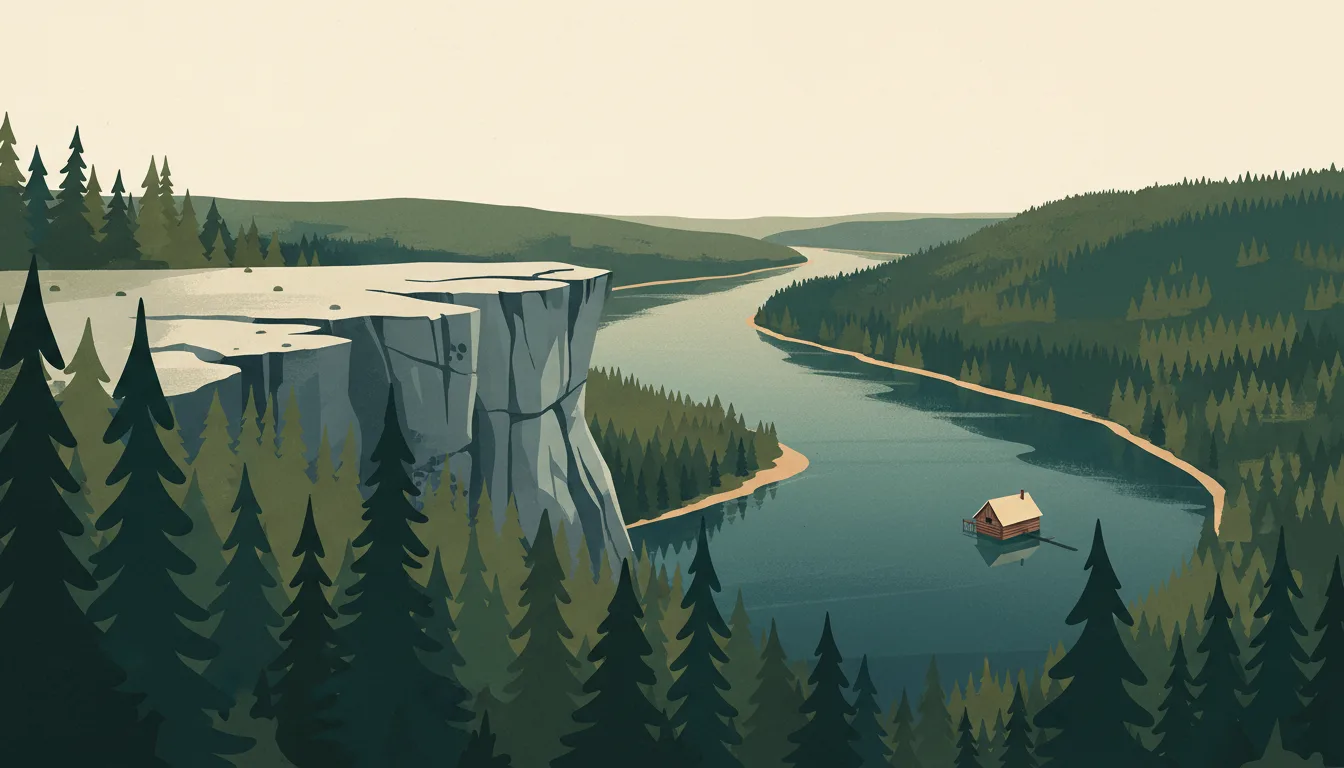
A short forest walk ends at a cliff over a turquoise reservoir; go early before the day-trip minibuses arrive.
- 05
Ride the Šargan Eight
Mokra Gora
The reconstructed narrow-gauge loop climbs through tunnels and viaducts in figures of eight; sit on the valley side of the carriage.
- 06
Read the Yugoslav century
Belgrade
The Museum of Yugoslavia, the House of Flowers and the Museum of Contemporary Art tell the story without glossing over its end.
How to get around
How do you get around Serbia?
Intercity buses connect every town from Belgrade's main station and are the default for Niš, Zlatibor and the west. The Belgrade–Novi Sad fast line is the one train worth planning around, and the scenic Belgrade–Bar line crosses the south-west slowly. A hire car turns Tara, the Drina and the Zlatibor plateau into one loop. Belgrade's buses and trams have run fare-free since 2025.
Intercity coaches
Lasta, Niš-Ekspres and regional operators leave Belgrade's central bus station for every town; buy at the counter, keep the token for the platform and expect two to four hours to most destinations.
Rule of thumb: No car and outside the Novi Sad line → bus.
Hire car for the west and south
The A1 motorway is fast and tolled; everything beyond it is two-lane. A car is the only sensible way to link Tara, Mokra Gora, Zlatibor and the monastery roads in one trip.
Belgrade–Novi Sad fast line and the Bar railway
The Soko service runs many times a day at up to 200 km/h. The Belgrade–Bar line to Montenegro is slow but spectacular through the Zlatibor and Tara country; other lines are rarely worth it.
Belgrade on foot, by tram and by app taxi
Central Belgrade walks well. Trams and buses are fare-free; use CarGo or Yandex rather than hailing taxis, and avoid the unofficial airport touts.
Passes and cards, honestly
- No national rail or bus pass exists; individual tickets are cheap enough that none is needed.
- A Belgrade museum pass is not sold; the Museum of Yugoslavia and National Museum are inexpensive on their own.
Travel tips
What should you know before you go?
The things locals assume you know. Most travellers learn them by getting one wrong on day two.
- Slava and hospitality
- Families celebrate a patron saint's day with an open table. If invited, bring wine or coffee and expect to stay longer than planned.
- The 1990s are recent
- NATO bombing damage stands deliberately unrepaired on Kneza Miloša street. Ask questions rather than offering verdicts, and remember that opinions differ widely within Serbia.
- Kafana rhythm
- The traditional tavern is for slow evenings with live tamburica or starogradska music, plates that keep arriving and rakija poured to welcome you, not to hurry you.
- Cyrillic and Latin coexist
- Road signs, menus and receipts may use either script. Learning the Cyrillic alphabet takes an afternoon and turns the country legible.
- Monasteries are working communities
- Fruška Gora, Studenica and Žiča are homes for monks and nuns. Cover shoulders and knees, keep voices low and ask before photographing people.
Travel basics
Visa, money, SIM cards and more
The boring section, which is why it is the one people skip and then regret at the airport.
visa
Visa-free for most, register your stay
Most European, North American and many other passports get 90 days without a visa. Hotels register guests automatically; private hosts should give you a white registration slip, which police may ask for.
money
Dinars in cash, cards in cities
Withdraw dinars from bank ATMs and decline dynamic conversion. Cards work in Belgrade and Novi Sad, but rural guesthouses, markets and many kafanas want cash.
connectivity
Cheap local SIMs
EU roaming does not apply. Buy a Yettel, A1 or MTS prepaid SIM or an eSIM at arrival; coverage is good except in the Tara and Drina gorges.
plugs
Type C and F sockets
Standard European 230 V two-pin sockets; no adapter needed for European plugs.
safety
Low crime, careful driving
Violent crime against visitors is rare. The real risk is on the roads: overtaking on two-lane routes, unlit tractors and winter ice in the west. Football derby nights in Belgrade are best avoided.
health
Pharmacies are excellent, tap water is fine
Belgrade and Novi Sad tap water is safe; some Vojvodina towns have poor-tasting water and locals use bottled. Ticks in Tara and Fruška Gora forests warrant long trousers and a check afterwards.
Trip costs
How much does a trip to Serbia cost?
A mid-range trip usually needs about €55–€110 per person per day, before long-haul flights. Serbia is one of Europe's better-value destinations. Belgrade hotels are the main cost, while rural guesthouses, restaurant meals, trains and long-distance buses are cheap by any Western measure. A hire car is the expense that opens the west and the south.
Shoestring
€€35–55
per person / day
- Stay
- Hostel or a private room through a booking site
- Food
- Bakery burek, ćevapi counters and kafana lunches
- Transport
- Buses and the Belgrade–Novi Sad train
Belgrade nights are the only place where restraint takes effort.
Mid-range
€€55–110
per person / day
- Stay
- Three-star hotel or a good apartment
- Food
- Kafanas, river restaurants and a winery lunch
- Transport
- A small hire car plus city taxis by app
The level that fits most itineraries including the mountains.
Comfortable
€€150–280
per person / day
- Stay
- Design hotels in Belgrade and mountain lodges
- Food
- Tasting menus, private winery visits and guided food walks
- Transport
- Driver-guide for the west and internal transfers
Spend on a driver for the Drina and Tara roads and on Belgrade's best rooms.
Sample itineraries
Starting points, not scripts
Each of these is a real request you could hand to Menta as written. Change the people, the month and the pace; the structure will hold.
Belgrade and Vojvodina
6 days- Belgrade
- Novi Sad
- Sremski Karlovci
- Subotica
Two city bases linked by train, with wine hills and Hungarian art nouveau added on flat roads.
Rivers and mountains
10 days- Belgrade
- Tara
- Bajina Bašta
- Mokra Gora
- Zlatibor
The capital followed by a western loop by car through the Drina canyon, the Tara forests and the Zlatibor plateau.
Full Serbia by road
14 days- Belgrade
- Novi Sad
- Zlatibor
- Tara
- Niš
- Belgrade
North, west and south in one circuit with festival or harvest timing to suit the month.
Common questions
Quick answers about travel in Serbia
Short answers to the questions people ask before they book. Use the full guide for the detail and trade-offs.
- When is the best time to visit Serbia?
- May–June and September–early October; July brings festivals and heat. Late spring and early autumn give warm days, green or golden landscapes and manageable city heat. July and August are hot on the plain and in Belgrade, softened only by the mountains and the summer festival calendar. Winters are grey and cold with snow on Zlatibor and Tara, when Belgrade turns inward to kafanas and the ski villages fill.
- How much does a trip to Serbia cost?
- Plan about €55–€110 per person per day for a mid-range trip, before long-haul flights. Serbia is one of Europe's better-value destinations. Belgrade hotels are the main cost, while rural guesthouses, restaurant meals, trains and long-distance buses are cheap by any Western measure. A hire car is the expense that opens the west and the south.
- How do you get around Serbia?
- Intercity buses connect every town from Belgrade's main station and are the default for Niš, Zlatibor and the west. The Belgrade–Novi Sad fast line is the one train worth planning around, and the scenic Belgrade–Bar line crosses the south-west slowly. A hire car turns Tara, the Drina and the Zlatibor plateau into one loop. Belgrade's buses and trams have run fare-free since 2025.
More destinations
Where else?
- JapanA megacity, a thousand temples and trains that leave to the second.
- ChinaImperial capitals, fast trains, regional tables and landscapes at continental scale.
- ItalyThree civilisations' worth of cities, and lunch takes two hours.
- SpainEurope's longest high-speed rail, five cultures, and lunch at three.
- PortugalTwo hilly cities, a valley of port and a long Atlantic coast.
- GreeceAntiquity, two hundred inhabited islands and a ferry timetable to respect.
- IcelandOne road, no trains, and weather that rewrites the plan daily.
- ThailandStreet food, temples, two coasts and Asia's cheapest good hotel room.
- VietnamTwo capitals, one slow railway and the best street food in Asia.
- MoroccoMedinas, the High Atlas and the Sahara, a ferry ride from Europe.
- MexicoA 3,000-year-old civilisation, the best street food on earth, and two coastlines.
- Costa RicaCloud forest, two coasts, volcanoes and wildlife best seen slowly.
- The BahamasShallow banks, island towns and water-led journeys between cays.
- BarbadosCoral coasts, Bajan food and an island with several speeds.
- CubaLayered cities, karst valleys and a journey that needs patience.
- Dominican RepublicCaribbean cities, mountain interiors and coasts beyond the resort gate.
- JamaicaMusic, mountain rain, strong food and coasts with different rhythms.
- FranceGreat cities, long lunches, mountains and a coast for every mood.
- United KingdomHistoric cities, wild coastlines and weather worth planning around.
- GermanyBig culture, small cities, forests and trains with caveats.
- NetherlandsCanals, art, cycling and small cities that reward staying longer.
- CroatiaAdriatic islands, stone towns, clear water and a crowded August.
- TurkeyMosques, markets, ancient cities and coastlines on a huge scale.
- SwitzerlandAlps, lakes and trains that make the expensive route feel simple.
- AustriaImperial cities, Alpine lakes, music and excellent rail links.
- NorwayFjords, midnight light, coastal towns and beautiful long distances.
- SwedenArchipelagoes, forests, design and summer light that lasts.
- FinlandLakes, saunas, forests and a capital built for slow days.
- CzechiaBeautiful old towns, serious beer and an easy train route beyond Prague.
- PolandDeep history, lively cities, forests, lakes and mountain food.
- IrelandAtlantic cliffs, music-filled towns, green roads and weather in charge.
- AustraliaBig distances, old landscapes, city beaches and wildlife in the wild.
- New ZealandVolcanoes, fjords, coast roads and a country made for the outdoors.
- IndonesiaVolcanoes, rice fields, reefs and thousands of islands to choose from.
- South KoreaFast cities, quiet temples, mountain trails and food at every hour.
- United StatesHuge landscapes, distinct cities and a route that must respect the map.
- CanadaBig wilderness, thoughtful cities and distances that need their own plan.
- ArgentinaBig-city appetite, Andean wine country and Patagonia at full scale.
- BrazilAtlantic cities, living cultures and continental-scale nature.
- ChileDesert sky, Pacific cities, volcano lakes and Patagonian wind.
- ColombiaHighland cities, Caribbean history and coffee-country roads.
- PeruAndean cities, living food cultures and Amazon headwaters.
- IndiaMughal cities, desert forts, sacred rivers and a monsoon coast.
- Sri LankaTea hills, ancient cities and two coasts with opposite seasons.
- NepalHimalayan trails, Newar cities and lowland jungle in one country.
- MalaysiaHawker cities, tea hills, island coasts and Bornean rainforest.
- PhilippinesIsland archipelago where the flight map decides the trip.
- CambodiaAngkor's stone, the Mekong's rhythm and a country still healing.
- TaiwanNight markets, high-speed rail and a mountainous Pacific island.
- LaosSlow Mekong days, mountain roads and a new railway.
- United Arab EmiratesSeven emirates, two big cities and a mountain-and-desert hinterland.
- JordanPetra, Wadi Rum and the Dead Sea on one compact road.
- OmanForts, wadis, dunes and turtle beaches on the Arabian Sea.
- EgyptThe Nile corridor, Red Sea reefs and five thousand years in sequence.
- South AfricaTwo oceans, self-drive safari and cities with unfinished histories.
- KenyaSavannah, highlands and a Swahili coast, sequenced by rain.
- TanzaniaThe northern circuit, Kilimanjaro and Zanzibar, priced honestly.
- NamibiaSelf-drive desert, empty roads and Africa's darkest skies.
- BelgiumFlemish art cities, Brussels institutions and forested Ardennes valleys.
- DenmarkCopenhagen design, island villages and long Jutland beaches.
- HungaryThermal baths, Danube grandeur, wine hills and the Great Plain.
- SloveniaAlpine lakes, an emerald river, karst caves and a Venetian coast.
- GeorgiaCaucasus villages, eight-thousand-year wine and a serious table.
- MontenegroA fjord-like bay, limestone peaks and a short, crowded coast.
- AlbaniaOttoman towns, an Ionian riviera and a raw alpine north.
- RomaniaSaxon towns, Carpathian wilderness and Europe's largest wetland.
- BulgariaMonasteries, mountain villages and a working Black Sea coast.
- SlovakiaAlpine peaks, castle ruins and wooden churches on a rail spine.
- Bosnia and HerzegovinaOttoman bazaars, stone bridges and wild rivers between mountains.
- EstoniaMedieval Tallinn, bog boardwalks, island manors and long white nights.
- LatviaArt Nouveau Riga, castle valleys, a wooden spa coast and deep forest.
- LithuaniaBaroque Vilnius, a dune spit, lake castles and pine spa towns.
- MaltaLimestone capital, Neolithic temples, harbour ferries and Gozo's slow coast.
- CyprusDivided capital, mosaic coast, painted mountain churches and a wild peninsula.
- SingaporeA dense, humid city-state that rewards districts, not landmarks.
- MaldivesAtolls, reefs and two very different ways to stay.
- BhutanHimalayan valleys, dzongs and a daily fee that shapes everything.
- UzbekistanSilk Road cities linked by fast trains and desert roads.
- EthiopiaRock churches, highland monasteries and a distinct calendar.
- UgandaGorillas, chimpanzees, the Nile and crater-lake forests.
- RwandaGorilla volcanoes, tea hills and a compact, orderly country.
- BotswanaDelta floods, elephant rivers and empty Kalahari pans.
- ZambiaWalking safaris, wild rivers and the Zambian side of Victoria Falls.
- MadagascarLemurs, baobabs and an island that evolved apart.
- MauritiusLagoon coasts, a volcanic interior and a Creole, Indian and Chinese island.
- TunisiaCarthage, medinas, Roman arenas and the Saharan oases.
- GuatemalaMaya highlands, volcano lakes and a Petén forest of ruins.
- PanamaCanal city, Caribbean archipelagos and cloud-forest coffee.
- EcuadorVolcano avenue, cloud forest, Amazon edge and the Galápagos.
- BoliviaAltiplano salt, Aymara cities and a wide Amazon lowland.
- UruguayCalm capital, Atlantic beaches and slow wine country.
- FijiReef islands, village life and two big green mainlands.
- North MacedoniaOhrid's lake, Ottoman bazaars and mountain villages in a small compass.
- KosovoEurope's youngest country: café capital, Ottoman Prizren and alpine valleys.
- MoldovaUnderground wine cities, cliff monasteries and Europe's least-visited country.
- ArmeniaStone monasteries, Ararat views and a capital that stays up late.
- AzerbaijanCaspian capital, mud volcanoes and Caucasus villages above the tea plains.
- LuxembourgFortress capital, Moselle wine and Ardennes castles by free bus.
- AndorraPyrenean principality of ski valleys, Romanesque chapels and thermal spas.
- Faroe IslandsEighteen basalt islands of sea cliffs, tunnels and turf-roofed villages.
- GreenlandIcebergs, ice sheet and Inuit towns reached only by air and sea.
- KazakhstanTian Shan foothills, steppe capital and canyon country by air.
- KyrgyzstanYurt stays, alpine lakes and horse treks in the Tian Shan.
- TajikistanPamir Highway, Wakhan villages and turquoise Fann lakes.
- PakistanMughal Lahore and the Karakoram, planned region by region.
- BangladeshRiver delta, mangrove tigers, tea gardens and Dhaka's old city.
- Hong KongVertical harbour city, outlying islands and surprising country parks.
- BruneiWater village, gilded mosques and untouched Borneo rainforest.
- Timor-LesteReef walls, mountain villages and a young nation's coastline.
- Saudi ArabiaNabataean tombs, Red Sea reefs and a fast-changing kingdom.
- QatarA compact Gulf peninsula built around one polished capital.
- GhanaAtlantic forts, Ashanti heritage and a warm, workable West Africa.
- SenegalDakar's music, Gorée's memory and delta and river landscapes.
- Cape VerdeTen Atlantic islands of morna, volcanoes and trade winds.
- SeychellesGranite islands, coral atolls and Creole ease in the Indian Ocean.
- MozambiqueIndian Ocean coast, dhow islands and a restored savanna.
- ZimbabweVictoria Falls, walking safaris and Africa's largest ancient stone city.
- MalawiA freshwater sea, restored parks and high plateaus in one small country.
- EswatiniA small kingdom of royal ceremony, rhino reserves and highveld hikes.
- LesothoThe mountain kingdom: pony treks, high passes and Basotho villages.
- BelizeBarrier reef, Maya cities and Garifuna coast in one small country.
- HondurasBay Islands diving, Copán's carved city and cloud-forest highlands.
- El SalvadorSurf coast, volcano towns and a small country in rapid change.
- NicaraguaColonial cities, twin-volcano island and two very different coasts.
- Trinidad and TobagoCarnival, ibis and doubles on Trinidad; reef and calm on Tobago.
- Saint LuciaThe Pitons, rainforest ridges and Kwéyòl villages on one green island.
- ParaguayRiver cities, Jesuit ruins and the enormous quiet of the Chaco.
- SamoaTwo volcanic islands, village fales and fa'a Samoa on its own terms.
- TongaA Polynesian kingdom of four island groups, whales and strict Sundays.
- VanuatuActive volcanoes, kastom villages and eighty islands of Melanesia.
- Cook IslandsRarotonga's ring road, Aitutaki's lagoon and atolls nobody reaches.











Serbia is a good trip. Make it your trip.
Everything on this page is context Menta already has. Add the people going, the dates and what you actually care about, and the plan starts smarter than a blank chat.
Two journeys free. No payment details. 0 % markup on bookings.
Start planning SerbiaGuide last reviewed 2026-09. Check visa rules against your own passport before you book.