
Who it's for
Is Mauritius right for your trip?
Every country is somebody's favourite. The honest question is whether it is yours, and for this trip.
This is your trip if…
- You want a reef and lagoon holiday with real food, history and hiking within reach.
- You will rent a car and change coasts once rather than stay behind one resort's gate.
- Kitesurfing, diving or hiking give the trip structure beyond the beach.
- You are interested in the island's indenture, Creole and multi-faith history, not just the coast.
Think twice if…
- You want empty beaches; public beaches are busy at weekends and the best sand is behind hotels.
- You expect budget South-East Asian prices; food and rooms are priced for European visitors.
- You are travelling in January to March and cannot absorb a cyclone week.
- You want wild nature at scale; the native forest is small and the interior is sugar cane.
Best time to visit
When is the best time to visit Mauritius?
May–June and September–November; April–December for diving. Mauritius is warm all year with a hot, humid summer from November to April and a mild, drier winter from May to October. Cyclone season runs January to March, when a system can close the island for days. The south-east trade winds blow hardest from June to September, which suits kitesurfers at Le Morne and keeps the east coast rough while the west and north stay sheltered. September to November offers warm water, low rain and long days; May and June are the calm, cooler shoulder.
- Good
Winter
June–August
Mild days of 24–26°C, strong trade winds on the east and south, lower prices and the best kitesurfing; the west and north are sheltered.
- Best
Spring
September–November
Warming water, low rain, light winds and clear diving; the strongest all-round window before the December holidays.
- Mixed
Summer
December–April
Hot, humid and green with afternoon storms; whale sharks and high hotel rates in the Christmas weeks.
- Avoid
Cyclone weeks
January–March
A cyclone alert can confine you to the hotel for two or three days; buy flexible tickets and travel insurance that covers it.
Climate · monthly normals
Sheltered west-coast capital: the island's warmest and driest side, with hot humid summers and mild winter days.
For contrast
Central plateau at 550 m: cooler, cloudier and two to three times wetter than the coast in every month.
Festivals and events
What is worth planning around?
Dates a plan should either aim for or steer clear of. Both are useful; the second saves more money.
January or February
Thaipoosam Cavadee
Tamil temples islandwide
Devotees carry decorated cavadee arches and pierce their bodies in processions to Tamil temples after a fast.
A public holiday; roads near temples close in the morning.
February or March
Maha Shivaratri
Grand Bassin (Ganga Talao)
Hundreds of thousands of pilgrims walk in white to the crater lake over several days, carrying kanwar structures from every village.
Book plateau roads and Chamarel out of your plan for that week; the walk is worth seeing from the roadside.
8–9 September
Père Laval pilgrimage
Sainte-Croix, Port Louis
Mauritians of all faiths queue through the night at the tomb of the blessed missionary in the island's largest Catholic gathering.
October or November
Divali
Islandwide
Oil lamps line walls and rooftops, sweets circulate between neighbours and Port Louis's Hindu quarters glow for a week.
Where to go
Where should you go in Mauritius?
The places that earn their nights, most important first, with how long each deserves. Nobody needs all of them on one trip.
City and local guides
6 worked-out stopsMap numbers match the local guide cards.
- 01
Port Louis
Indian Ocean
city1–2 daysPort Louis is a working city rather than a stay: the Central Market for dholl puri, Chinatown, the Aapravasi Ghat immigration depot and the Champ de Mars racecourse. Visit on a weekday, leave before the evening exodus.
Best time: April–June and September–November
Explore Port Louis - 02
Grand Baie & the north coast
Indian Ocean
travel base3–5 daysThe north is sheltered, sunny and busy: Grand Baie's restaurants and boats, Pereybère's swimming cove, Trou aux Biches' long shade and Cap Malheureux's red church. Pamplemousses garden and the islets are the day trips.
Best time: April–June and September–November
Explore Grand Baie & the north coast - 03
Flic en Flac & the west coast
Indian Ocean
travel base3–5 daysThe west faces the sunset and holds the calmest lee water: Flic en Flac's public beach, Tamarin's surf and dolphins, Black River's boats and Casela on the slopes above.
Best time: April–June and September–November
Explore Flic en Flac & the west coast - 04
Le Morne & the south-west
Indian Ocean
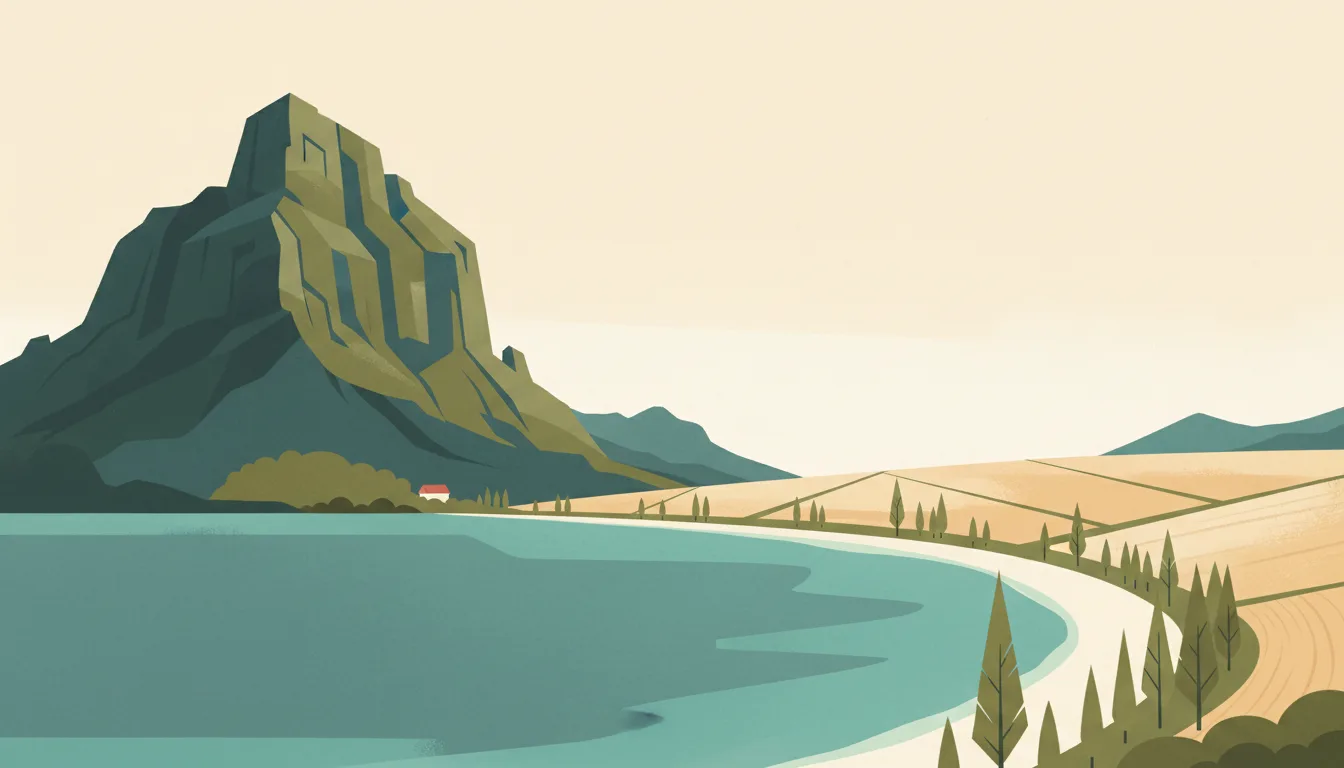
travel base3–4 daysLe Morne Brabant rises from a lagoon that is the country's kitesurfing centre and a memorial to escaped slaves. La Gaulette gives a village base; Bel Ombre a quieter resort coast.
Best time: April–June and September–November
Explore Le Morne & the south-west - 05
Mahébourg & the south-east
Indian Ocean
town2–3 daysMahébourg's Monday market, naval museum and waterfront sit beside Blue Bay's marine park and the airport. Île aux Aigrettes' restored ebony forest and giant tortoises are the island's best conservation visit.
Best time: April–June and September–November
Explore Mahébourg & the south-east - 06
Chamarel & Black River Gorges
Indian Ocean
travel base1–2 daysThe plateau above the south-west holds the island's remaining native forest, the Seven Coloured Earths, Chamarel's rum distillery, the Gorges viewpoints and Grand Bassin's temples. Drive it in a day or sleep in Chamarel for the trails.
Best time: April–June and September–November
Explore Chamarel & Black River Gorges
Things to do
What should you do in Mauritius?
Not a bucket list — the handful of things that make this country this country, with the timing catch that stops people doing them well.
- 01
Eat from the Central Market and Chinatown
Port Louis
Dholl puri with rougaille and chilli, gateaux piments and Sino-Mauritian bol renversé are the national kitchen; go before noon on a weekday.
- 02
Read the Aapravasi Ghat
Port Louis waterfront
The depot where half a million indentured labourers landed explains why the island is two-thirds Indo-Mauritian; the museum is short and essential.
- 03
Climb Le Morne with a guide
Le Morne Brabant
The morning ascent to the summit cross passes the caves used by maroons; the upper section is guided only and closes in wind and rain.
- 04
Snorkel Blue Bay and visit Île aux Aigrettes
South-east
Blue Bay's marine park has the island's best accessible coral; the Mauritian Wildlife Foundation boat to the islet shows what the lowlands looked like before sugar.
- 05
Walk the Macchabée trail
Black River Gorges
A half-day forest loop from the visitor centre with pink pigeons, echo parakeets and views over the gorge; start early before cloud builds.
- 06
Sail to the northern islets
From Grand Baie
A catamaran day to Coin de Mire, Flat Island and Gabriel Island gives the deep-water snorkelling and empty sand the mainland beaches lack.
How to get around
How do you get around Mauritius?
A rental car is the practical choice: the island is 65 km long, roads are decent and driving is on the left. The bus network from Port Louis and Rose Hill reaches every coastal village cheaply but slowly, and taxis are negotiable rather than metered. Boats serve the islets and excursions; Rodrigues is a 90-minute flight.
Rental car or driver
Most visitors collect a car at SSR airport; the motorway links the airport, Port Louis and Grand Baie, and coastal roads are slow but scenic. Drive on the left and expect roundabouts and evening traffic near Port Louis.
Rule of thumb: Two coasts in one trip → a car for the whole stay.
Island buses
Frequent, cheap and slow buses run from Port Louis's Victoria and Immigration stations to every coast; useful for Port Louis day trips from a base to avoid parking.
Rodrigues and Réunion
Air Mauritius flies to Rodrigues in 90 minutes for a slower, Creole island extension, and to Réunion for a volcanic-hiking contrast.
Boats and catamarans
Day catamarans to the northern islets, glass-bottom boats at Blue Bay and speedboats to Île aux Bénitiers are the standard excursions; book through the hotel or directly at the beach.
Passes and cards, honestly
- There is no attractions pass; Black River Gorges is free and Chamarel's geopark, Casela and Pamplemousses charge individually.
- Bus fares are paid per ride to the conductor; no travel card is needed.
Travel tips
What should you know before you go?
The things locals assume you know. Most travellers learn them by getting one wrong on day two.
- Four faiths share one island
- Hindu, Christian, Muslim and Buddhist festivals are all public holidays and neighbours attend each other's; dress modestly at temples and remove shoes.
- Sugar and indenture made the society
- Slavery, then indenture from India, then Chinese trade shaped the population; Le Morne and Aapravasi Ghat are both UNESCO sites for that reason.
- Creole is the everyday language
- Bonzour, mersi and a smile go further than French formality; sega music and dance on Saturday nights are living Creole culture, not only hotel entertainment.
- The lagoon is a commons
- Fishers, kitesurfers and hotels share the water; give way to pirogues, avoid standing on coral and use reef-safe sunscreen.
- Public beaches are for everyone
- Every beach is legally public to the high-water mark; weekend picnics with sound systems are the local way, so hotel-quiet expectations are misplaced on a Sunday.
Travel basics
Visa, money, SIM cards and more
The boring section, which is why it is the one people skip and then regret at the airport.
visa
Visa-free for most on arrival
Immigration asks for accommodation details and a return ticket; a passport valid beyond the stay is enough for EU, UK, US and most other visitors.
money
Rupees and cards both work
ATMs are everywhere, cards are accepted by hotels and most restaurants; carry cash for markets, buses, roadside food and tips.
connectivity
SIMs at the airport
my.t and Emtel prepaid SIMs cover the whole island with 4G; hotel Wi-Fi is standard and reliable.
plugs
Type C and G sockets
230 V with British three-pin and European two-pin both common, sometimes in the same room; a universal adapter avoids surprises.
safety
Low crime, real sea hazards
Petty theft on beaches and in rental cars is the main risk. Currents at reef passes, sea urchins and stonefish injure more visitors than people do; ask locally before swimming outside the lagoon.
health
No malaria, some dengue
Repellent at dusk in summer, sun protection all year and reef-safe products; tap water is treated but most visitors drink bottled. Private clinics in Floréal and Grand Baie are good.
Trip costs
How much does a trip to Mauritius cost?
A mid-range trip usually needs about €70–€180 per person per day, before long-haul flights. Mauritius is a mid-priced destination with a wide spread: guesthouses and self-catering apartments make a car-based trip affordable, while the big south-west and north resorts run to several hundred euros a night. Street food and Chinese restaurants are cheap; hotel dining and boat excursions are where the money goes.
Shoestring
€€45–75
per person / day
- Stay
- Guesthouses and apartments in Grand Baie, La Gaulette or Mahébourg
- Food
- Dholl puri, Chinese restaurants and supermarket cooking
- Transport
- Buses and a shared rental car
Comfortable and social; the coral and the mountains cost nothing beyond the car.
Mid-range
€€80–180
per person / day
- Stay
- Three- and four-star beachfront hotels or good villas
- Food
- Hotel half-board and coastal restaurants
- Transport
- Rental car all week plus one catamaran day
The standard way to combine two coasts, a boat trip and the plateau.
Comfortable
€€250–600
per person / day
- Stay
- Five-star resorts on the north or south-west lagoons
- Food
- Resort dining and a fine-dining night in Chamarel or Tamarin
- Transport
- Private transfers, a car and private boats
Buys the quiet lagoons behind the resort walls and a kite or dive school on site.
Sample itineraries
Starting points, not scripts
Each of these is a real request you could hand to Menta as written. Change the people, the month and the pace; the structure will hold.
North and west
8 days- Grand Baie
- Port Louis
- Flic en Flac
- Chamarel
A gentle first Mauritius: sheltered beaches, one city day and a plateau drive through the coloured earths and gorges.
Kite and coral
10 days- Le Morne
- Chamarel
- Mahébourg
- Blue Bay
The active south: a week of kitesurfing and the Le Morne climb, forest walks on the plateau and the reef and islet of the south-east near the airport.
Island circuit
12 days- Mahébourg
- Grand Baie
- Port Louis
- Flic en Flac
- Le Morne
- Grand Bassin
A full clockwise loop by car with each coast given three nights and the plateau crossed twice, including the pilgrimage lake.
Common questions
Quick answers about travel in Mauritius
Short answers to the questions people ask before they book. Use the full guide for the detail and trade-offs.
- When is the best time to visit Mauritius?
- May–June and September–November; April–December for diving. Mauritius is warm all year with a hot, humid summer from November to April and a mild, drier winter from May to October. Cyclone season runs January to March, when a system can close the island for days. The south-east trade winds blow hardest from June to September, which suits kitesurfers at Le Morne and keeps the east coast rough while the west and north stay sheltered. September to November offers warm water, low rain and long days; May and June are the calm, cooler shoulder.
- How much does a trip to Mauritius cost?
- Plan about €70–€180 per person per day for a mid-range trip, before long-haul flights. Mauritius is a mid-priced destination with a wide spread: guesthouses and self-catering apartments make a car-based trip affordable, while the big south-west and north resorts run to several hundred euros a night. Street food and Chinese restaurants are cheap; hotel dining and boat excursions are where the money goes.
- How do you get around Mauritius?
- A rental car is the practical choice: the island is 65 km long, roads are decent and driving is on the left. The bus network from Port Louis and Rose Hill reaches every coastal village cheaply but slowly, and taxis are negotiable rather than metered. Boats serve the islets and excursions; Rodrigues is a 90-minute flight.
More destinations
Where else?
- JapanA megacity, a thousand temples and trains that leave to the second.
- ChinaImperial capitals, fast trains, regional tables and landscapes at continental scale.
- ItalyThree civilisations' worth of cities, and lunch takes two hours.
- SpainEurope's longest high-speed rail, five cultures, and lunch at three.
- PortugalTwo hilly cities, a valley of port and a long Atlantic coast.
- GreeceAntiquity, two hundred inhabited islands and a ferry timetable to respect.
- IcelandOne road, no trains, and weather that rewrites the plan daily.
- ThailandStreet food, temples, two coasts and Asia's cheapest good hotel room.
- VietnamTwo capitals, one slow railway and the best street food in Asia.
- MoroccoMedinas, the High Atlas and the Sahara, a ferry ride from Europe.
- MexicoA 3,000-year-old civilisation, the best street food on earth, and two coastlines.
- Costa RicaCloud forest, two coasts, volcanoes and wildlife best seen slowly.
- The BahamasShallow banks, island towns and water-led journeys between cays.
- BarbadosCoral coasts, Bajan food and an island with several speeds.
- CubaLayered cities, karst valleys and a journey that needs patience.
- Dominican RepublicCaribbean cities, mountain interiors and coasts beyond the resort gate.
- JamaicaMusic, mountain rain, strong food and coasts with different rhythms.
- FranceGreat cities, long lunches, mountains and a coast for every mood.
- United KingdomHistoric cities, wild coastlines and weather worth planning around.
- GermanyBig culture, small cities, forests and trains with caveats.
- NetherlandsCanals, art, cycling and small cities that reward staying longer.
- CroatiaAdriatic islands, stone towns, clear water and a crowded August.
- TurkeyMosques, markets, ancient cities and coastlines on a huge scale.
- SwitzerlandAlps, lakes and trains that make the expensive route feel simple.
- AustriaImperial cities, Alpine lakes, music and excellent rail links.
- NorwayFjords, midnight light, coastal towns and beautiful long distances.
- SwedenArchipelagoes, forests, design and summer light that lasts.
- FinlandLakes, saunas, forests and a capital built for slow days.
- CzechiaBeautiful old towns, serious beer and an easy train route beyond Prague.
- PolandDeep history, lively cities, forests, lakes and mountain food.
- IrelandAtlantic cliffs, music-filled towns, green roads and weather in charge.
- AustraliaBig distances, old landscapes, city beaches and wildlife in the wild.
- New ZealandVolcanoes, fjords, coast roads and a country made for the outdoors.
- IndonesiaVolcanoes, rice fields, reefs and thousands of islands to choose from.
- South KoreaFast cities, quiet temples, mountain trails and food at every hour.
- United StatesHuge landscapes, distinct cities and a route that must respect the map.
- CanadaBig wilderness, thoughtful cities and distances that need their own plan.
- ArgentinaBig-city appetite, Andean wine country and Patagonia at full scale.
- BrazilAtlantic cities, living cultures and continental-scale nature.
- ChileDesert sky, Pacific cities, volcano lakes and Patagonian wind.
- ColombiaHighland cities, Caribbean history and coffee-country roads.
- PeruAndean cities, living food cultures and Amazon headwaters.
- IndiaMughal cities, desert forts, sacred rivers and a monsoon coast.
- Sri LankaTea hills, ancient cities and two coasts with opposite seasons.
- NepalHimalayan trails, Newar cities and lowland jungle in one country.
- MalaysiaHawker cities, tea hills, island coasts and Bornean rainforest.
- PhilippinesIsland archipelago where the flight map decides the trip.
- CambodiaAngkor's stone, the Mekong's rhythm and a country still healing.
- TaiwanNight markets, high-speed rail and a mountainous Pacific island.
- LaosSlow Mekong days, mountain roads and a new railway.
- United Arab EmiratesSeven emirates, two big cities and a mountain-and-desert hinterland.
- JordanPetra, Wadi Rum and the Dead Sea on one compact road.
- OmanForts, wadis, dunes and turtle beaches on the Arabian Sea.
- EgyptThe Nile corridor, Red Sea reefs and five thousand years in sequence.
- South AfricaTwo oceans, self-drive safari and cities with unfinished histories.
- KenyaSavannah, highlands and a Swahili coast, sequenced by rain.
- TanzaniaThe northern circuit, Kilimanjaro and Zanzibar, priced honestly.
- NamibiaSelf-drive desert, empty roads and Africa's darkest skies.
- BelgiumFlemish art cities, Brussels institutions and forested Ardennes valleys.
- DenmarkCopenhagen design, island villages and long Jutland beaches.
- HungaryThermal baths, Danube grandeur, wine hills and the Great Plain.
- SloveniaAlpine lakes, an emerald river, karst caves and a Venetian coast.
- GeorgiaCaucasus villages, eight-thousand-year wine and a serious table.
- MontenegroA fjord-like bay, limestone peaks and a short, crowded coast.
- AlbaniaOttoman towns, an Ionian riviera and a raw alpine north.
- RomaniaSaxon towns, Carpathian wilderness and Europe's largest wetland.
- BulgariaMonasteries, mountain villages and a working Black Sea coast.
- SlovakiaAlpine peaks, castle ruins and wooden churches on a rail spine.
- Bosnia and HerzegovinaOttoman bazaars, stone bridges and wild rivers between mountains.
- EstoniaMedieval Tallinn, bog boardwalks, island manors and long white nights.
- LatviaArt Nouveau Riga, castle valleys, a wooden spa coast and deep forest.
- LithuaniaBaroque Vilnius, a dune spit, lake castles and pine spa towns.
- MaltaLimestone capital, Neolithic temples, harbour ferries and Gozo's slow coast.
- CyprusDivided capital, mosaic coast, painted mountain churches and a wild peninsula.
- SingaporeA dense, humid city-state that rewards districts, not landmarks.
- MaldivesAtolls, reefs and two very different ways to stay.
- BhutanHimalayan valleys, dzongs and a daily fee that shapes everything.
- UzbekistanSilk Road cities linked by fast trains and desert roads.
- EthiopiaRock churches, highland monasteries and a distinct calendar.
- UgandaGorillas, chimpanzees, the Nile and crater-lake forests.
- RwandaGorilla volcanoes, tea hills and a compact, orderly country.
- BotswanaDelta floods, elephant rivers and empty Kalahari pans.
- ZambiaWalking safaris, wild rivers and the Zambian side of Victoria Falls.
- MadagascarLemurs, baobabs and an island that evolved apart.
- TunisiaCarthage, medinas, Roman arenas and the Saharan oases.
- GuatemalaMaya highlands, volcano lakes and a Petén forest of ruins.
- PanamaCanal city, Caribbean archipelagos and cloud-forest coffee.
- EcuadorVolcano avenue, cloud forest, Amazon edge and the Galápagos.
- BoliviaAltiplano salt, Aymara cities and a wide Amazon lowland.
- UruguayCalm capital, Atlantic beaches and slow wine country.
- FijiReef islands, village life and two big green mainlands.
- SerbiaDanube cities, monastery hills and long-table hospitality.
- North MacedoniaOhrid's lake, Ottoman bazaars and mountain villages in a small compass.
- KosovoEurope's youngest country: café capital, Ottoman Prizren and alpine valleys.
- MoldovaUnderground wine cities, cliff monasteries and Europe's least-visited country.
- ArmeniaStone monasteries, Ararat views and a capital that stays up late.
- AzerbaijanCaspian capital, mud volcanoes and Caucasus villages above the tea plains.
- LuxembourgFortress capital, Moselle wine and Ardennes castles by free bus.
- AndorraPyrenean principality of ski valleys, Romanesque chapels and thermal spas.
- Faroe IslandsEighteen basalt islands of sea cliffs, tunnels and turf-roofed villages.
- GreenlandIcebergs, ice sheet and Inuit towns reached only by air and sea.
- KazakhstanTian Shan foothills, steppe capital and canyon country by air.
- KyrgyzstanYurt stays, alpine lakes and horse treks in the Tian Shan.
- TajikistanPamir Highway, Wakhan villages and turquoise Fann lakes.
- PakistanMughal Lahore and the Karakoram, planned region by region.
- BangladeshRiver delta, mangrove tigers, tea gardens and Dhaka's old city.
- Hong KongVertical harbour city, outlying islands and surprising country parks.
- BruneiWater village, gilded mosques and untouched Borneo rainforest.
- Timor-LesteReef walls, mountain villages and a young nation's coastline.
- Saudi ArabiaNabataean tombs, Red Sea reefs and a fast-changing kingdom.
- QatarA compact Gulf peninsula built around one polished capital.
- GhanaAtlantic forts, Ashanti heritage and a warm, workable West Africa.
- SenegalDakar's music, Gorée's memory and delta and river landscapes.
- Cape VerdeTen Atlantic islands of morna, volcanoes and trade winds.
- SeychellesGranite islands, coral atolls and Creole ease in the Indian Ocean.
- MozambiqueIndian Ocean coast, dhow islands and a restored savanna.
- ZimbabweVictoria Falls, walking safaris and Africa's largest ancient stone city.
- MalawiA freshwater sea, restored parks and high plateaus in one small country.
- EswatiniA small kingdom of royal ceremony, rhino reserves and highveld hikes.
- LesothoThe mountain kingdom: pony treks, high passes and Basotho villages.
- BelizeBarrier reef, Maya cities and Garifuna coast in one small country.
- HondurasBay Islands diving, Copán's carved city and cloud-forest highlands.
- El SalvadorSurf coast, volcano towns and a small country in rapid change.
- NicaraguaColonial cities, twin-volcano island and two very different coasts.
- Trinidad and TobagoCarnival, ibis and doubles on Trinidad; reef and calm on Tobago.
- Saint LuciaThe Pitons, rainforest ridges and Kwéyòl villages on one green island.
- ParaguayRiver cities, Jesuit ruins and the enormous quiet of the Chaco.
- SamoaTwo volcanic islands, village fales and fa'a Samoa on its own terms.
- TongaA Polynesian kingdom of four island groups, whales and strict Sundays.
- VanuatuActive volcanoes, kastom villages and eighty islands of Melanesia.
- Cook IslandsRarotonga's ring road, Aitutaki's lagoon and atolls nobody reaches.

















Mauritius is a good trip. Make it your trip.
Everything on this page is context Menta already has. Add the people going, the dates and what you actually care about, and the plan starts smarter than a blank chat.
Two journeys free. No payment details. 0 % markup on bookings.
Start planning MauritiusGuide last reviewed 2026-09. Check visa rules against your own passport before you book.