
Who it's for
Is Austria right for your trip?
Every country is somebody's favourite. The honest question is whether it is yours, and for this trip.
This is your trip if…
- You want art, music, cafés and mountains in one easy European trip.
- You enjoy well-run trains, lake walks and historic interiors.
- You want a first Alpine trip without committing to difficult hiking.
- You prefer a slower route with two or three bases.
Think twice if…
- You expect a cheap destination in Vienna's central districts.
- You want nightlife to be the main event outside the capital.
- You plan to drive every scenic road in a short trip.
- You dislike formal service, quiet Sundays or mountain weather changes.
Best time to visit
When is the best time to visit Austria?
May – June and September – October. May, June, September and early October are the easiest months for city-and-mountain routes. July and August bring long days and full lakeside towns. Winter is excellent for Christmas markets, Vienna concerts and ski resorts; spring snowmelt can close high paths.
- Best
Spring
May – June
Vienna's parks and the lakes are green, with comfortable days for walking. High trails may still have snow, so keep plans below the lifts.
- Good
Summer
July – August
Warm, bright and busy at lakes and popular mountain resorts. Book Salzburg and Salzkammergut stays early and start walks before heat builds.
- Best
Autumn
September – October
Clear days, harvest food and fewer school-holiday crowds. October is excellent for cities and lower valleys, less certain for high mountain lifts.
- Good
Winter
November – March
Vienna's cultural season and Christmas markets are strong; ski areas peak around holidays and February. Pack for cold, not postcard snow in every city.
Climate · monthly normals
Eastern Austria is warmer and drier than the Alps; Salzburg and Innsbruck have more mountain rain.
For contrast
Alpine foothills: cooler, cloudier and wetter, with beautiful summer green.
Festivals and events
Calendar and cultural context
Dates a plan should either aim for or steer clear of. Both are useful; the second saves more money.
May – June
Vienna Festival
Vienna
A broad programme of theatre, music and art that makes the capital's cultural infrastructure feel open rather than ceremonial.
Venues are spread across the city; choose by neighbourhood.
July – August
Salzburg Festival
Salzburg
Opera, theatre and concerts in a city built for music. It is a major event, not a cheap spontaneous weekend.
Rooms and headline tickets need early planning.
Mid November – December
Vienna Christmas markets
Vienna
Several markets with distinct moods: grand palace squares, neighbourhood craft and food. Visit two, not every one.
December weekends are crowded; weekday afternoons are calmer.
September – October
Almabtrieb
Alpine villages
Cows return from high pastures with decorated bells, food and local celebrations. It is regional life rather than a staged show.
Dates are village-specific; check locally when building a mountain route.
Where to go
Where should you go in Austria?
The places that earn their nights, most important first, with how long each deserves. Nobody needs all of them on one trip.
City and local guides
6 worked-out stopsMap numbers match the local guide cards.
 01
01Vienna
Central Europe
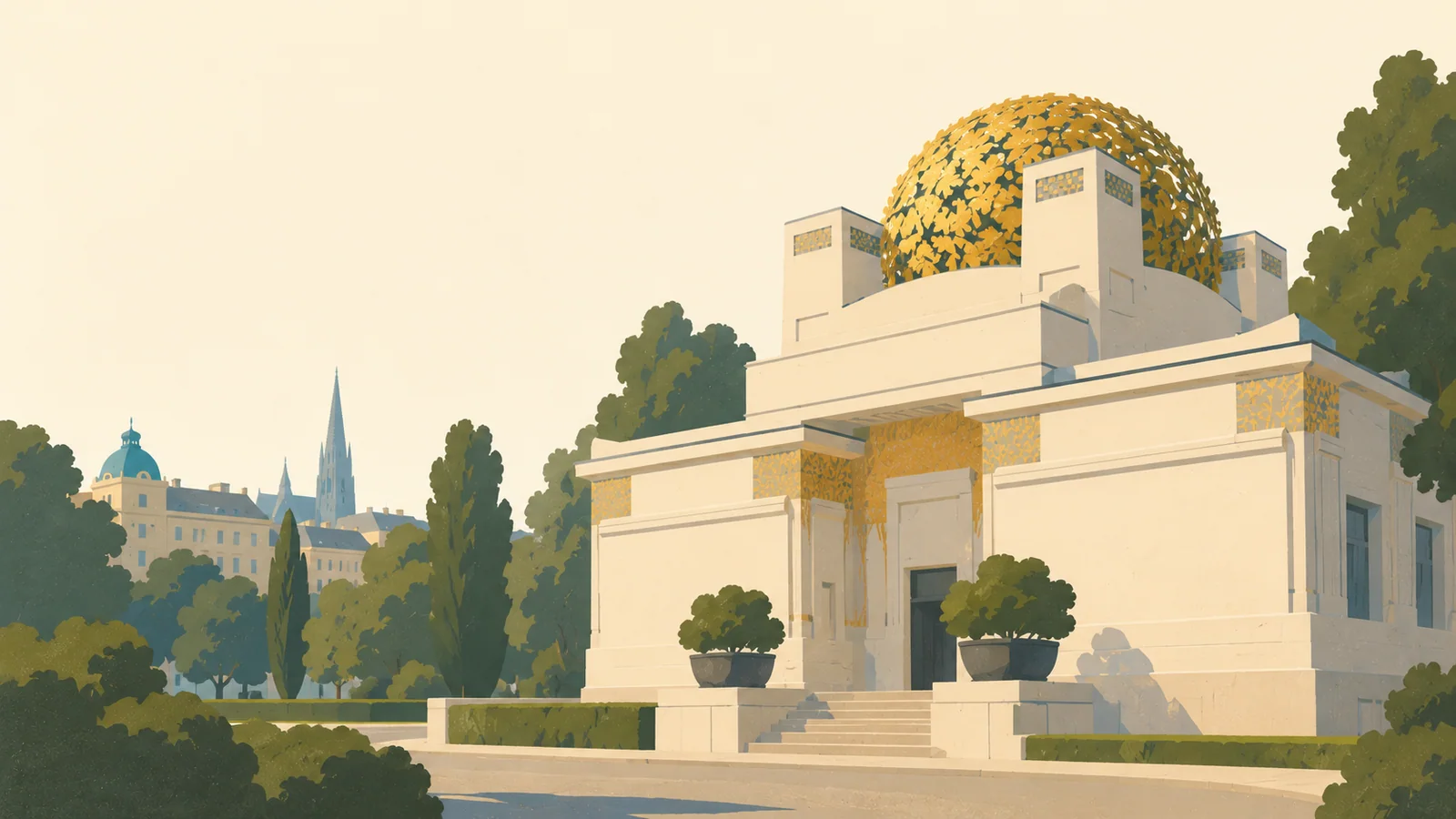
city3–5 daysImperial architecture is only the start: modern art, public housing, markets and a serious café culture make the city reward wandering.
Best time: May–June and September
Explore Vienna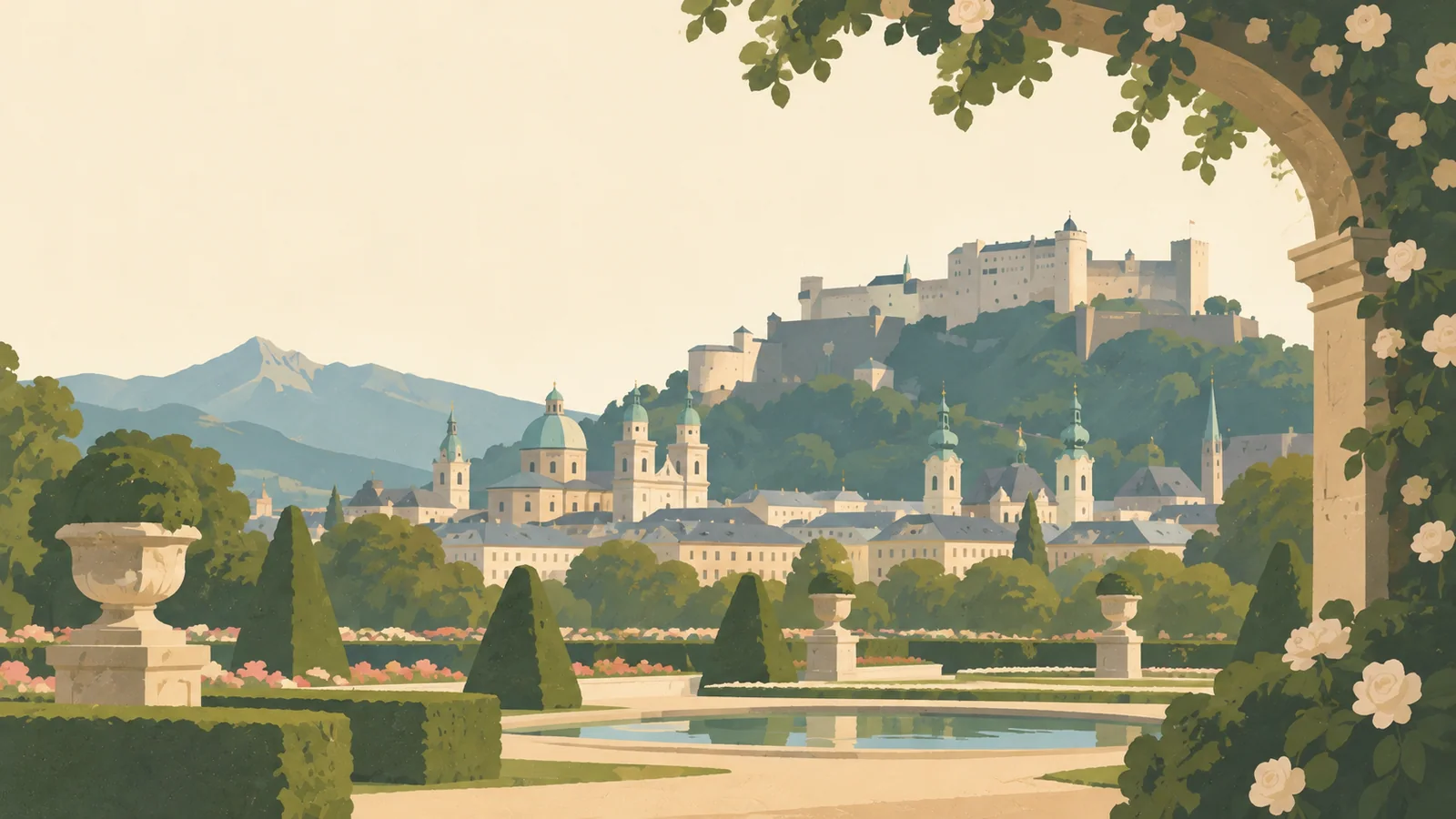 02
02Salzburg
Central Europe
city2 daysThe old town and music history are compact, with easy day trips to lakes and the Alps. Avoid reducing it to a Sound of Music bus stop.
Best time: May–June and September
Explore Salzburg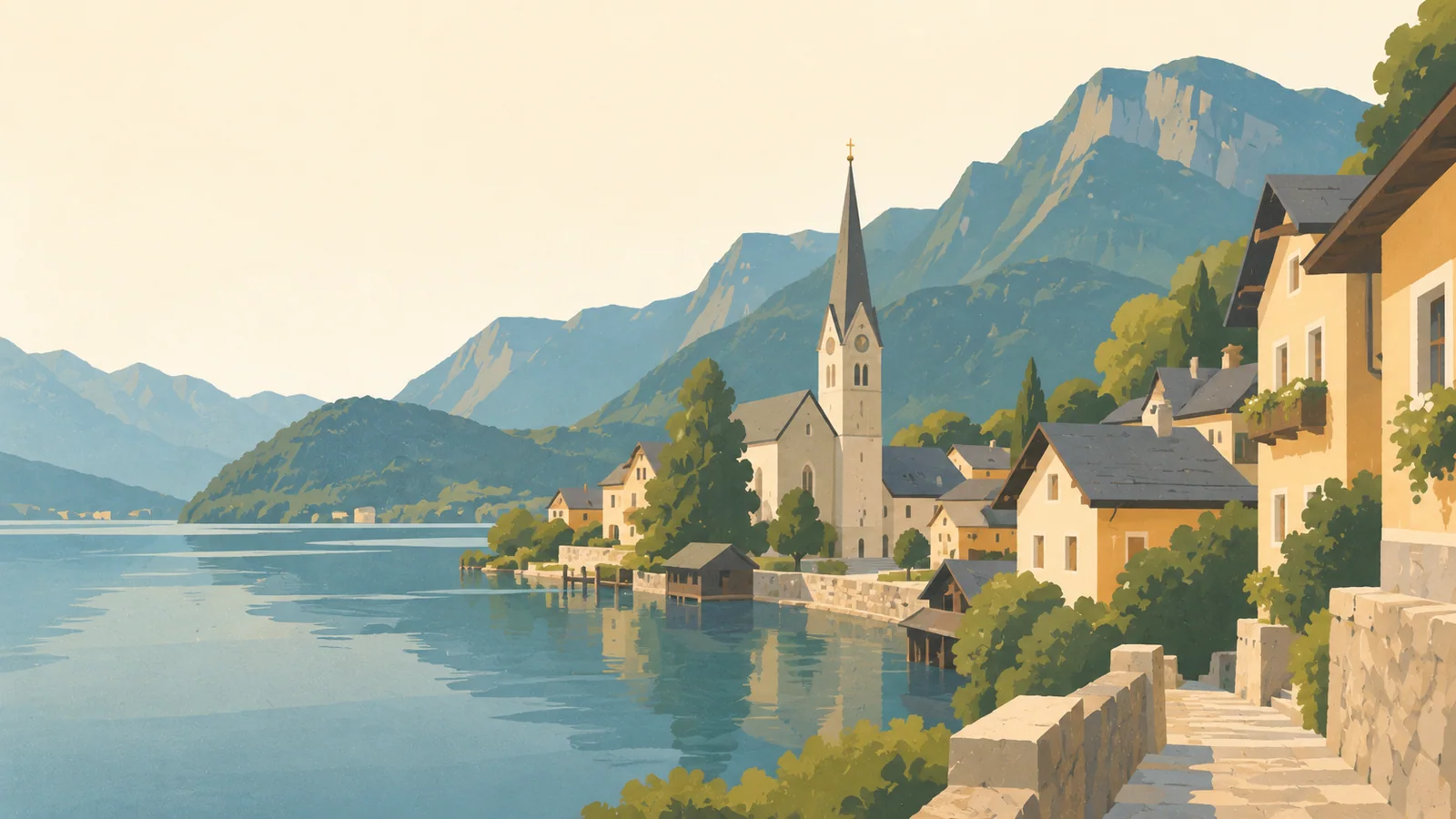 03
03Salzkammergut
Central Europe
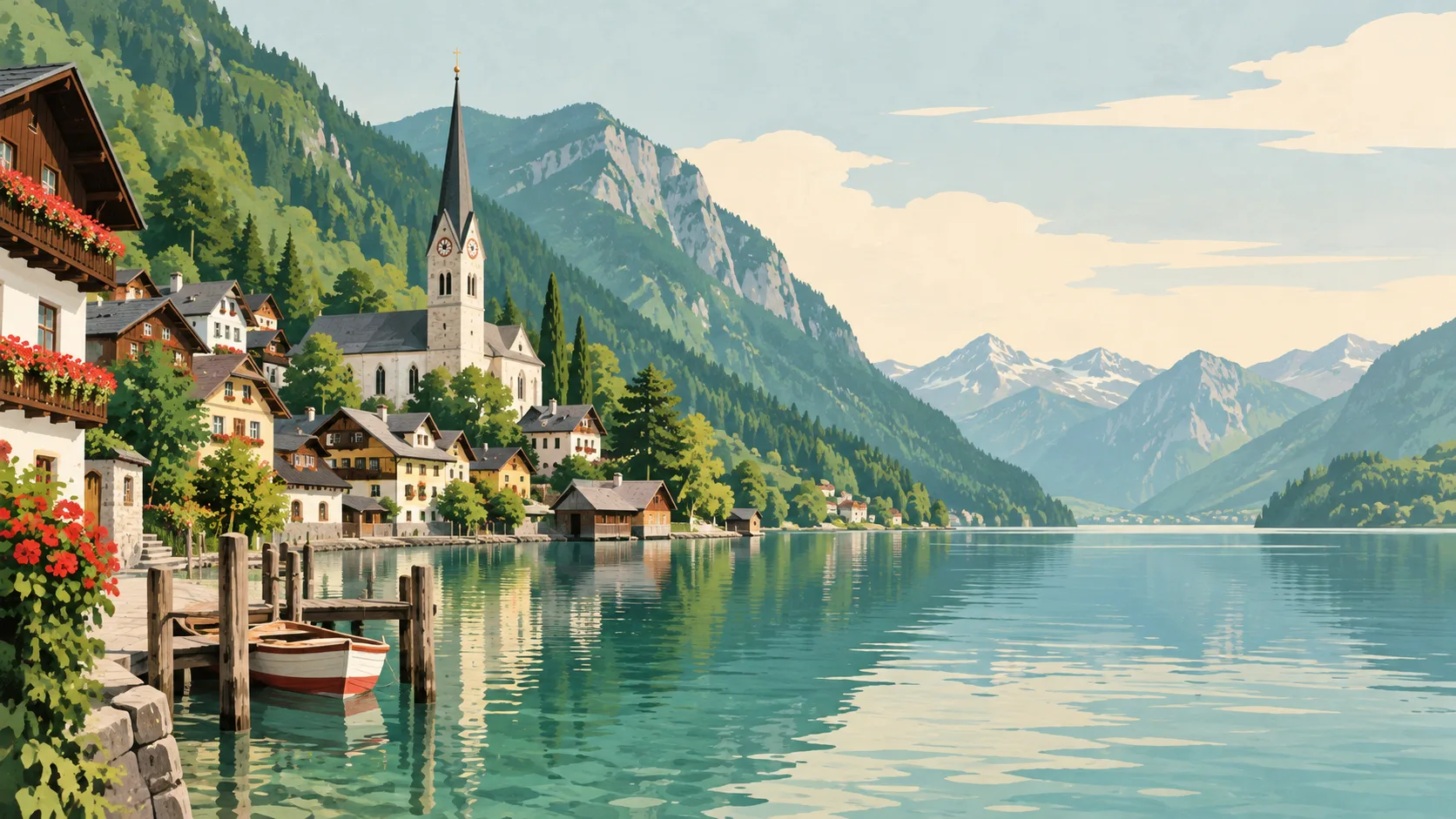
travel base3–4 daysHallstatt is one small part of a much better region. Base near Wolfgangsee or Bad Ischl for boat rides and walks without the day-trip crush.
Best time: June–September or December–March
Explore Salzkammergut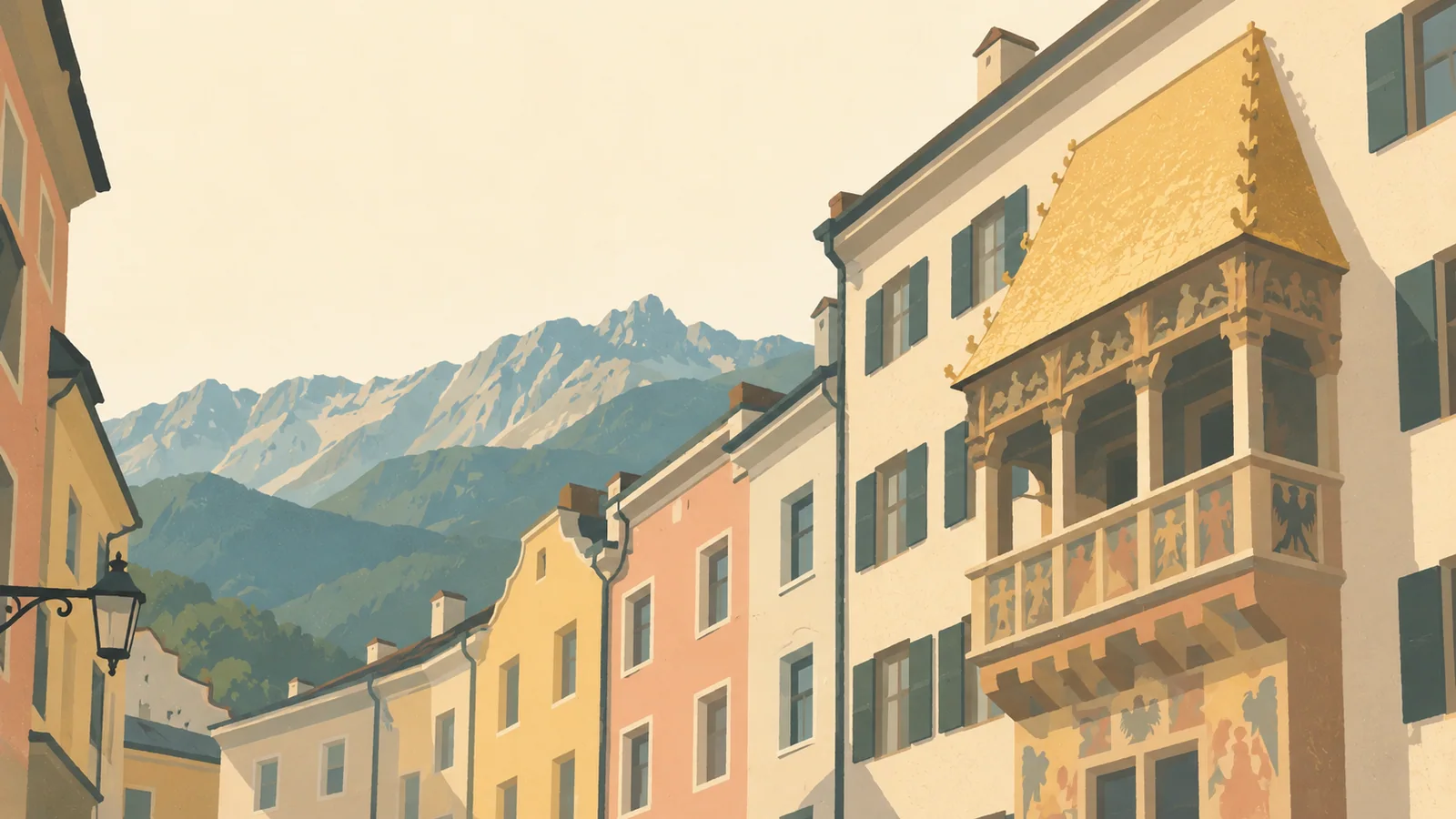 04
04Innsbruck
Central Europe
city2–3 daysA real university city with a dramatic mountain wall and direct lift access. It works when you want scenery without leaving the city each day.
Best time: June–September or December–March
Explore Innsbruck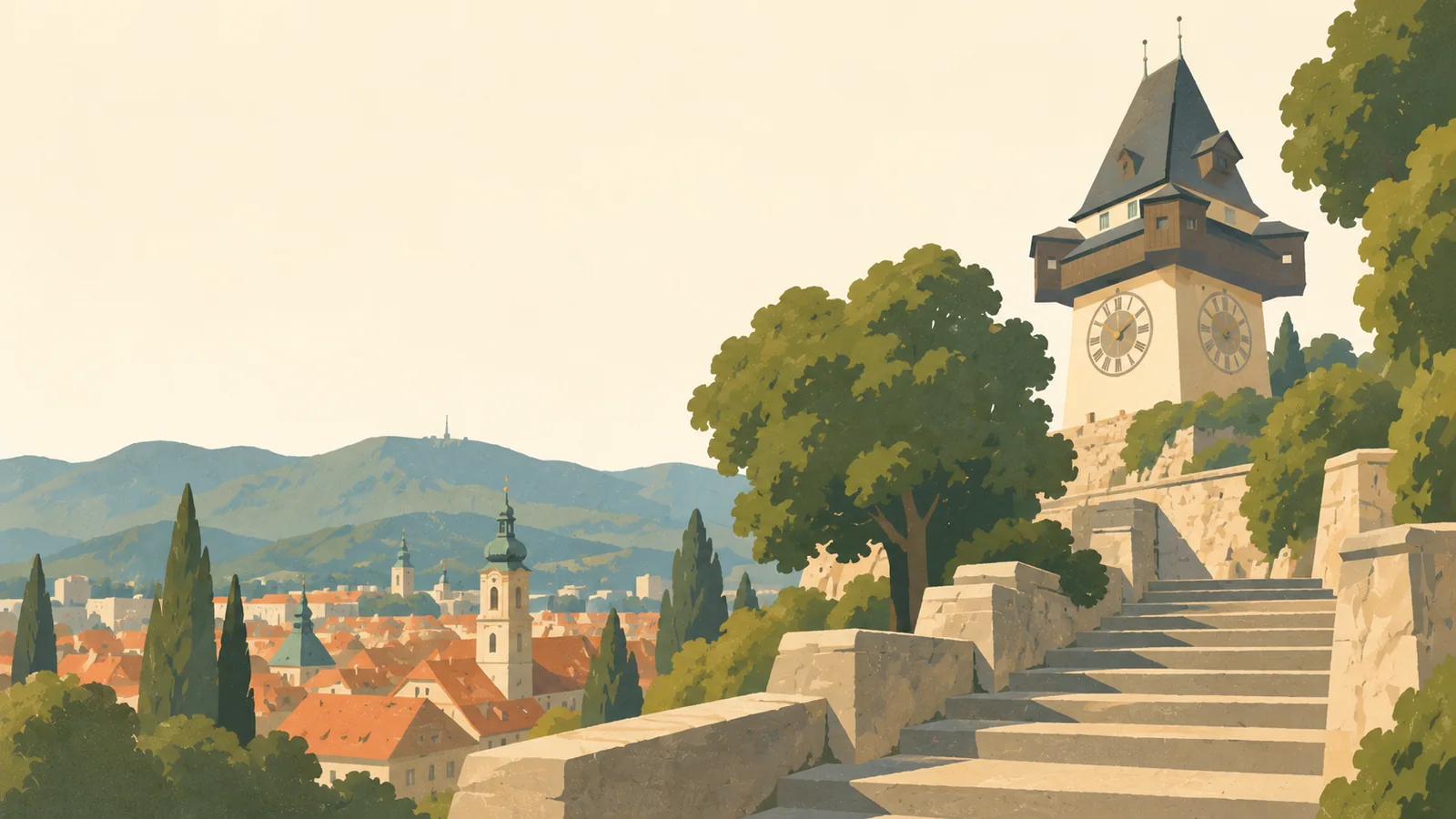 05
05Graz
Central Europe
city2 daysA relaxed city with a strong food scene, contemporary architecture and a different, warmer Styrian identity.
Best time: May–June and September
Explore Graz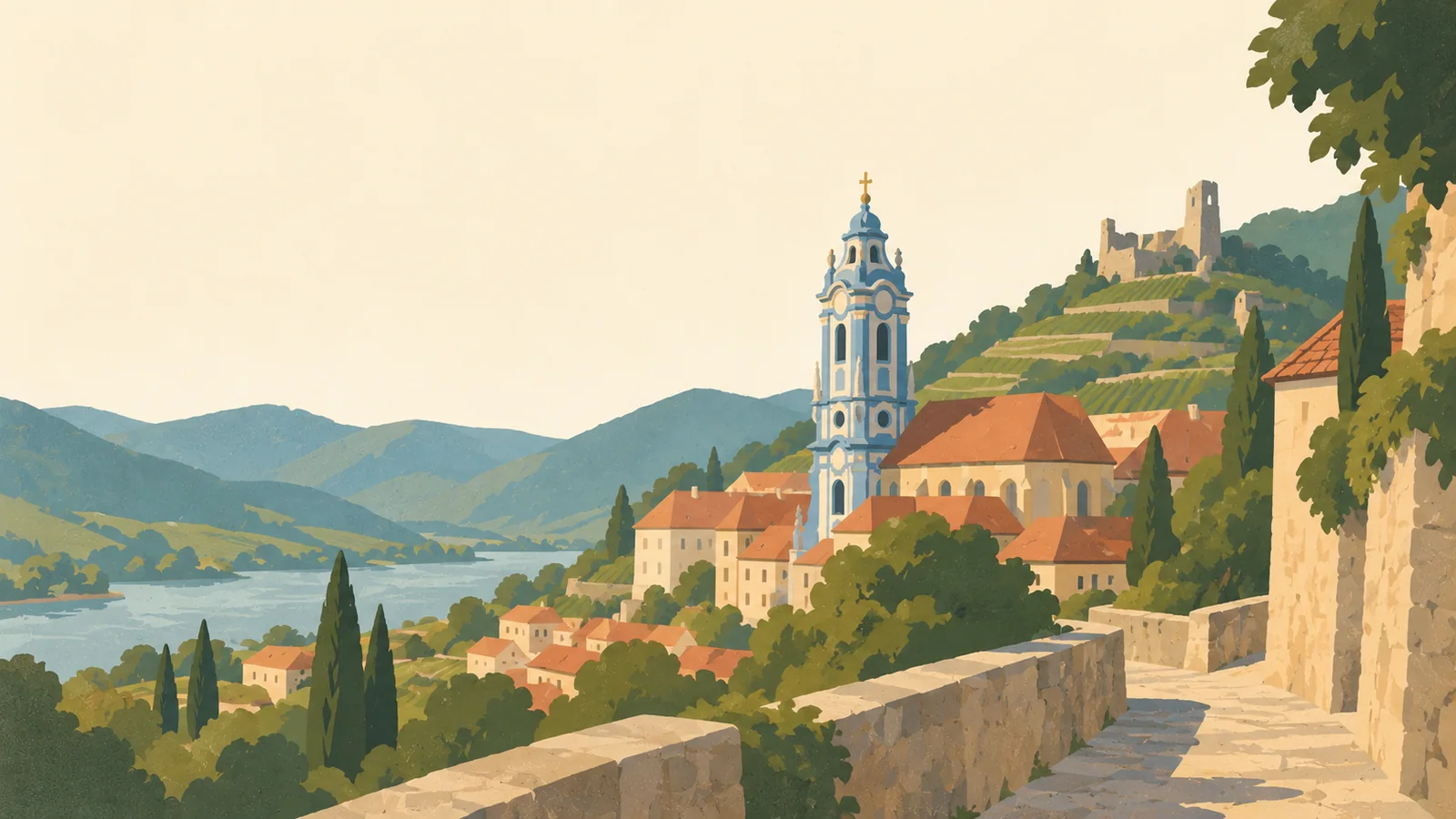 06
06Wachau
Central Europe
travel base1–2 daysA simple day or overnight from Vienna with cycling, apricot products, abbeys and river towns.
Best time: May–June and September
Explore Wachau
Things to do
What should you do in Austria?
The handful of things that make the destination distinctive, with the timing catch that stops people doing them well.
- 01
Hear live music in a proper room
Vienna or Salzburg
A concert is worth the planning, but choose a programme and venue that interest you rather than buying the most expensive standing ticket.
- 02
Take a Danube day
Wachau
Trains, bikes and boats make the Wachau easy without a car. Combine one abbey, one village and one long lunch.
- 03
Choose a lake other than Hallstatt
Salzkammergut
Wolfgangsee, Attersee and Traunsee give the same mountain-water drama with more room to breathe.
- 04
Use a mountain lift as a beginning
Innsbruck or a resort valley
Take the lift up, then walk a short contour trail and return by the last descent. You do not need a summit to get the Alps right.
- 05
Eat Styrian or Viennese
Graz and Vienna
Pumpkin seed oil, schnitzel, dumplings, pastries and seasonal produce show more of Austria than a generic alpine restaurant.
How to get around
How do you get around Austria?
Austria is a rail-and-bus country. Use trains between Vienna, Salzburg, Graz and Innsbruck, local buses for lake villages, and a car only when a mountain base is not well connected.
ÖBB rail
Fast trains link the main cities and regional trains reach valleys and lakes. Vienna to Salzburg is an easy backbone for a first itinerary.
Rule of thumb: Major city pair → train.
Trams and walking
Vienna, Graz, Salzburg and Innsbruck are straightforward by tram, bus and foot. A car adds cost and parking stress in the centres.
Rule of thumb: Inside a city → public transport and walking.
Rental car
Useful for Salzkammergut villages, wineries and remote valleys. Pick it up outside Vienna and avoid making a car your city accommodation problem.
Rule of thumb: Several lake villages in one day → car.
Cable cars and mountain rail
Lifts open the landscape to non-hikers and families. Check weather and closing times before building a full day around one summit.
Rule of thumb: Mountain day → book or check the last descent.
Passes and cards, honestly
- The Austria rail pass can work for flexible intercity travel; advance ÖBB fares may be cheaper on a fixed route.
- Vienna's city pass is worthwhile only for a museum-heavy itinerary. A normal public-transport ticket is usually enough for a café-and-walk weekend.
- Regional guest cards sometimes include lifts and buses with a stay; check what the hotel actually includes before buying a national pass.
Travel tips
What should you know before you go?
The things locals assume you know. Most travellers learn them by getting one wrong on day two.
- Coffee houses are not fast cafés
- In Vienna, a table can be held for a long time with one coffee. Read, talk and do not expect a quick laptop turnover.
- Concert dress is flexible
- Most venues are less formal than visitors fear, but clean, smart clothes help for evening performances and historic restaurants.
- Mountain paths are working landscapes
- Stay on marked trails, close gates and respect cows and farm vehicles. A meadow is not an invitation to cut across it.
- Sunday is quiet
- Shops close, but museums, restaurants and transport continue. Buy snacks and any groceries on Saturday.
- Austrian German has its own words
- Menus and place names can differ from textbook German. English works in tourism; asking once is better than guessing.
Travel basics
Visa, money, SIM cards and more
The boring section, which is why it is the one people skip and then regret at the airport.
visa
Visa and entry
Austria follows Schengen entry rules. Many visa-exempt visitors can stay 90 days in 180 days; check your passport requirements before travel.
money
Money and cards
Cards are common, but small cafés, huts and markets may prefer cash. Keep euros in small notes, especially outside Vienna.
connectivity
SIM and data
EU roaming generally works as at home. Coverage is strong in cities and valleys, with gaps on high trails.
plugs
Plugs and power
Austria uses 230 V and type C or F sockets. Most European chargers fit; other visitors need an adapter.
safety
Safety
Austria is easy for visitors. On mountains, take storms, snow and last lift times seriously; in cities, use normal station awareness.
language
Language
German is the national language, with strong local accents. English is common in hotels and attractions, less so in small rural shops.
Trip costs
How much does a trip to Austria cost?
A mid-range trip usually needs about €100–€180 per person per day, before long-haul flights. Austria is mid-priced by western European standards. Vienna has many good-value lunch menus and museums; Salzburg, lakes and ski resorts rise quickly in high season.
Shoestring
€€65–100
per person / day
- Stay
- Hostel or pension, €35–60
- Food
- Bakery breakfast, lunch menu and casual dinner, €18–30
- Transport
- Regional trains, buses and walking
Good value in Vienna and Graz; harder around Salzburg's peak summer.
Mid-range
€€100–180
per person / day
- Stay
- Good hotel or guesthouse, €100–160 for two
- Food
- Cafés, one concert or good dinner, €40–75
- Transport
- Rail plus lake boats and selected lifts
The sweet spot for a Vienna-and-lakes route.
Comfortable
€€240–460
per person / day
- Stay
- Design hotel, spa or mountain inn, €220–420 for two
- Food
- Restaurants, wine and concert tickets, €90–160
- Transport
- Private transfers, premium seats and mountain guides
Spend on the valley and cultural programme, not constant room upgrades.
Sample itineraries
Starting points, not scripts
Use these as conditional starting points. Confirm current access, the operating transport and permissions before committing.
Vienna and Salzburg
7 days- Vienna
- Salzburg
A clean first route with enough time for two distinct cities and a lake day from Salzburg. All by train.
Vienna to the lakes
9 days- Vienna
- Wachau
- Salzkammergut
- Salzburg
City, Danube vineyards and lake villages in one direction. Use trains and buses, with one taxi or car day if the weather is right.
Cities and the Alps
12 days- Vienna
- Graz
- Innsbruck
- Tyrol
A cross-country route with music and food in the east, then an Alpine base in Tyrol. Do not overfill the mountain days.
Common questions
Quick answers about travel in Austria
Short answers to the questions people ask before they book. Use the full guide for the detail and trade-offs.
- When is the best time to visit Austria?
- May – June and September – October. May, June, September and early October are the easiest months for city-and-mountain routes. July and August bring long days and full lakeside towns. Winter is excellent for Christmas markets, Vienna concerts and ski resorts; spring snowmelt can close high paths.
- How much does a trip to Austria cost?
- Plan about €100–€180 per person per day for a mid-range trip, before long-haul flights. Austria is mid-priced by western European standards. Vienna has many good-value lunch menus and museums; Salzburg, lakes and ski resorts rise quickly in high season.
- How do you get around Austria?
- Austria is a rail-and-bus country. Use trains between Vienna, Salzburg, Graz and Innsbruck, local buses for lake villages, and a car only when a mountain base is not well connected.
More destinations
Where else?
- JapanA megacity, a thousand temples and trains that leave to the second.
- ChinaImperial capitals, fast trains, regional tables and landscapes at continental scale.
- ItalyThree civilisations' worth of cities, and lunch takes two hours.
- SpainEurope's longest high-speed rail, five cultures, and lunch at three.
- PortugalTwo hilly cities, a valley of port and a long Atlantic coast.
- GreeceAntiquity, two hundred inhabited islands and a ferry timetable to respect.
- IcelandOne road, no trains, and weather that rewrites the plan daily.
- ThailandStreet food, temples, two coasts and Asia's cheapest good hotel room.
- VietnamTwo capitals, one slow railway and the best street food in Asia.
- MoroccoMedinas, the High Atlas and the Sahara, a ferry ride from Europe.
- MexicoA 3,000-year-old civilisation, the best street food on earth, and two coastlines.
- Costa RicaCloud forest, two coasts, volcanoes and wildlife best seen slowly.
- The BahamasShallow banks, island towns and water-led journeys between cays.
- BarbadosCoral coasts, Bajan food and an island with several speeds.
- CubaLayered cities, karst valleys and a journey that needs patience.
- Dominican RepublicCaribbean cities, mountain interiors and coasts beyond the resort gate.
- JamaicaMusic, mountain rain, strong food and coasts with different rhythms.
- FranceGreat cities, long lunches, mountains and a coast for every mood.
- United KingdomHistoric cities, wild coastlines and weather worth planning around.
- GermanyBig culture, small cities, forests and trains with caveats.
- NetherlandsCanals, art, cycling and small cities that reward staying longer.
- CroatiaAdriatic islands, stone towns, clear water and a crowded August.
- TurkeyMosques, markets, ancient cities and coastlines on a huge scale.
- SwitzerlandAlps, lakes and trains that make the expensive route feel simple.
- NorwayFjords, midnight light, coastal towns and beautiful long distances.
- SwedenArchipelagoes, forests, design and summer light that lasts.
- FinlandLakes, saunas, forests and a capital built for slow days.
- CzechiaBeautiful old towns, serious beer and an easy train route beyond Prague.
- PolandDeep history, lively cities, forests, lakes and mountain food.
- IrelandAtlantic cliffs, music-filled towns, green roads and weather in charge.
- AustraliaBig distances, old landscapes, city beaches and wildlife in the wild.
- New ZealandVolcanoes, fjords, coast roads and a country made for the outdoors.
- IndonesiaVolcanoes, rice fields, reefs and thousands of islands to choose from.
- South KoreaFast cities, quiet temples, mountain trails and food at every hour.
- United StatesHuge landscapes, distinct cities and a route that must respect the map.
- CanadaBig wilderness, thoughtful cities and distances that need their own plan.
- ArgentinaBig-city appetite, Andean wine country and Patagonia at full scale.
- BrazilAtlantic cities, living cultures and continental-scale nature.
- ChileDesert sky, Pacific cities, volcano lakes and Patagonian wind.
- ColombiaHighland cities, Caribbean history and coffee-country roads.
- PeruAndean cities, living food cultures and Amazon headwaters.
- IndiaMughal cities, desert forts, sacred rivers and a monsoon coast.
- Sri LankaTea hills, ancient cities and two coasts with opposite seasons.
- NepalHimalayan trails, Newar cities and lowland jungle in one country.
- MalaysiaHawker cities, tea hills, island coasts and Bornean rainforest.
- PhilippinesIsland archipelago where the flight map decides the trip.
- CambodiaAngkor's stone, the Mekong's rhythm and a country still healing.
- TaiwanNight markets, high-speed rail and a mountainous Pacific island.
- LaosSlow Mekong days, mountain roads and a new railway.
- United Arab EmiratesSeven emirates, two big cities and a mountain-and-desert hinterland.
- JordanPetra, Wadi Rum and the Dead Sea on one compact road.
- OmanForts, wadis, dunes and turtle beaches on the Arabian Sea.
- EgyptThe Nile corridor, Red Sea reefs and five thousand years in sequence.
- South AfricaTwo oceans, self-drive safari and cities with unfinished histories.
- KenyaSavannah, highlands and a Swahili coast, sequenced by rain.
- TanzaniaThe northern circuit, Kilimanjaro and Zanzibar, priced honestly.
- NamibiaSelf-drive desert, empty roads and Africa's darkest skies.
- BelgiumFlemish art cities, Brussels institutions and forested Ardennes valleys.
- DenmarkCopenhagen design, island villages and long Jutland beaches.
- HungaryThermal baths, Danube grandeur, wine hills and the Great Plain.
- SloveniaAlpine lakes, an emerald river, karst caves and a Venetian coast.
- GeorgiaCaucasus villages, eight-thousand-year wine and a serious table.
- MontenegroA fjord-like bay, limestone peaks and a short, crowded coast.
- AlbaniaOttoman towns, an Ionian riviera and a raw alpine north.
- RomaniaSaxon towns, Carpathian wilderness and Europe's largest wetland.
- BulgariaMonasteries, mountain villages and a working Black Sea coast.
- SlovakiaAlpine peaks, castle ruins and wooden churches on a rail spine.
- Bosnia and HerzegovinaOttoman bazaars, stone bridges and wild rivers between mountains.
- EstoniaMedieval Tallinn, bog boardwalks, island manors and long white nights.
- LatviaArt Nouveau Riga, castle valleys, a wooden spa coast and deep forest.
- LithuaniaBaroque Vilnius, a dune spit, lake castles and pine spa towns.
- MaltaLimestone capital, Neolithic temples, harbour ferries and Gozo's slow coast.
- CyprusDivided capital, mosaic coast, painted mountain churches and a wild peninsula.
- SingaporeA dense, humid city-state that rewards districts, not landmarks.
- MaldivesAtolls, reefs and two very different ways to stay.
- BhutanHimalayan valleys, dzongs and a daily fee that shapes everything.
- UzbekistanSilk Road cities linked by fast trains and desert roads.
- EthiopiaRock churches, highland monasteries and a distinct calendar.
- UgandaGorillas, chimpanzees, the Nile and crater-lake forests.
- RwandaGorilla volcanoes, tea hills and a compact, orderly country.
- BotswanaDelta floods, elephant rivers and empty Kalahari pans.
- ZambiaWalking safaris, wild rivers and the Zambian side of Victoria Falls.
- MadagascarLemurs, baobabs and an island that evolved apart.
- MauritiusLagoon coasts, a volcanic interior and a Creole, Indian and Chinese island.
- TunisiaCarthage, medinas, Roman arenas and the Saharan oases.
- GuatemalaMaya highlands, volcano lakes and a Petén forest of ruins.
- PanamaCanal city, Caribbean archipelagos and cloud-forest coffee.
- EcuadorVolcano avenue, cloud forest, Amazon edge and the Galápagos.
- BoliviaAltiplano salt, Aymara cities and a wide Amazon lowland.
- UruguayCalm capital, Atlantic beaches and slow wine country.
- FijiReef islands, village life and two big green mainlands.
- SerbiaDanube cities, monastery hills and long-table hospitality.
- North MacedoniaOhrid's lake, Ottoman bazaars and mountain villages in a small compass.
- KosovoEurope's youngest country: café capital, Ottoman Prizren and alpine valleys.
- MoldovaUnderground wine cities, cliff monasteries and Europe's least-visited country.
- ArmeniaStone monasteries, Ararat views and a capital that stays up late.
- AzerbaijanCaspian capital, mud volcanoes and Caucasus villages above the tea plains.
- LuxembourgFortress capital, Moselle wine and Ardennes castles by free bus.
- AndorraPyrenean principality of ski valleys, Romanesque chapels and thermal spas.
- Faroe IslandsEighteen basalt islands of sea cliffs, tunnels and turf-roofed villages.
- GreenlandIcebergs, ice sheet and Inuit towns reached only by air and sea.
- KazakhstanTian Shan foothills, steppe capital and canyon country by air.
- KyrgyzstanYurt stays, alpine lakes and horse treks in the Tian Shan.
- TajikistanPamir Highway, Wakhan villages and turquoise Fann lakes.
- PakistanMughal Lahore and the Karakoram, planned region by region.
- BangladeshRiver delta, mangrove tigers, tea gardens and Dhaka's old city.
- Hong KongVertical harbour city, outlying islands and surprising country parks.
- BruneiWater village, gilded mosques and untouched Borneo rainforest.
- Timor-LesteReef walls, mountain villages and a young nation's coastline.
- Saudi ArabiaNabataean tombs, Red Sea reefs and a fast-changing kingdom.
- QatarA compact Gulf peninsula built around one polished capital.
- GhanaAtlantic forts, Ashanti heritage and a warm, workable West Africa.
- SenegalDakar's music, Gorée's memory and delta and river landscapes.
- Cape VerdeTen Atlantic islands of morna, volcanoes and trade winds.
- SeychellesGranite islands, coral atolls and Creole ease in the Indian Ocean.
- MozambiqueIndian Ocean coast, dhow islands and a restored savanna.
- ZimbabweVictoria Falls, walking safaris and Africa's largest ancient stone city.
- MalawiA freshwater sea, restored parks and high plateaus in one small country.
- EswatiniA small kingdom of royal ceremony, rhino reserves and highveld hikes.
- LesothoThe mountain kingdom: pony treks, high passes and Basotho villages.
- BelizeBarrier reef, Maya cities and Garifuna coast in one small country.
- HondurasBay Islands diving, Copán's carved city and cloud-forest highlands.
- El SalvadorSurf coast, volcano towns and a small country in rapid change.
- NicaraguaColonial cities, twin-volcano island and two very different coasts.
- Trinidad and TobagoCarnival, ibis and doubles on Trinidad; reef and calm on Tobago.
- Saint LuciaThe Pitons, rainforest ridges and Kwéyòl villages on one green island.
- ParaguayRiver cities, Jesuit ruins and the enormous quiet of the Chaco.
- SamoaTwo volcanic islands, village fales and fa'a Samoa on its own terms.
- TongaA Polynesian kingdom of four island groups, whales and strict Sundays.
- VanuatuActive volcanoes, kastom villages and eighty islands of Melanesia.
- Cook IslandsRarotonga's ring road, Aitutaki's lagoon and atolls nobody reaches.
- MonacoA harbour principality of palace lanes, sea gardens and vertical streets.
- LiechtensteinRhine meadows, princely art and a small Alpine mountain world.
- San MarinoThree ridge-top towers and a small republic beyond the day-trip crowds.
- MongoliaOpen steppe, ger hospitality and journeys measured in driving days.
- BahrainPearling lanes, Dilmun archaeology and a compact Gulf island culture.
- KuwaitA working Gulf city of souq lanes, modern culture and a long corniche.
- DominicaRainforest trails, volcanic pools and a Caribbean island built for walking.
- GrenadaSpice gardens, a handsome harbour and islands with their own pace.
- Antigua and BarbudaDockyard heritage, sheltered bays and Barbuda’s separate island rhythm.
- Saint Kitts and NevisTwo volcanic islands, a fortress coast and a quieter Nevis stay.
- Saint Vincent and the GrenadinesA green volcanic main island and a chain of small sailing worlds.
- GuyanaKaieteur, rainforest lodges and savanna journeys with Indigenous hosts.
- SurinameTimber Paramaribo, plantation rivers and rainforest stays with local hosts.
- AlgeriaMediterranean cities, Roman stone and a Sahara that needs its own journey.
- BeninRoyal history, Vodun heritage and lake communities along a southern route.
- TogoLomé markets, green hill country and Batammariba architecture.
- Côte d’IvoireAbidjan’s lagoon city, Grand-Bassam heritage and a rich southern circuit.
- The GambiaAtlantic beach bases and a river journey into birdlife and history.
- Sierra LeoneFreetown history, forest-backed beaches and locally guided island stays.
- LiberiaMonrovia’s complex history, surf at Robertsport and a working Atlantic coast.
- Guinea-BissauBissau’s riverfront and the tide-shaped world of the Bijagós.
- São Tomé and PríncipeCocoa roças, rainforest walks and two islands with distinct rhythms.
- ComorosLava-stone medinas, volcanic slopes and quieter island communities.
- GabonRainforest, Atlantic wildlife and park journeys built around skilled guides.
- PalauRock Islands, reef diving and a country where conservation shapes the visit.
- Marshall IslandsLow atolls, lagoon communities and journeys that follow rare connections.
- Federated States of MicronesiaFour island states, deep ocean distances and distinct local traditions.
- KiribatiLow atolls, maneaba hospitality and a country spanning the date line.
- TuvaluFunafuti’s narrow atoll and outer islands that follow the sea schedule.
- Solomon IslandsLagoon stays, community hosts and islands with a deep wartime history.
- AngolaAtlantic cities, giant waterfalls and the highland road south.
- CameroonA southern route of cities, coastal waterfalls and western cultural towns.
- Republic of the CongoRiver cities, coastal forest and specialist rainforest stays.
- Equatorial GuineaBioko’s volcanic coast and a separately planned mainland chapter.
- GuineaCoastal communities and the green highlands of the Fouta Djallon.
- MauritaniaAtlantic birdlife and ancient desert towns on a carefully checked route.
- DjiboutiSalt landscapes, volcanic plains and a compact Red Sea gateway.
- EritreaA heritage and access overview of Asmara and the Red Sea landscape.
- TurkmenistanSilk Road cities and desert landscapes through a current sponsored route.
- Papua New GuineaCommunity-led culture, volcanic coasts and a few well-supported bases.
- NauruA small raised-coral island with a history larger than its road loop.
- BermudaPastel villages, a historic harbour and a North Atlantic island rhythm.
- ArubaDry-island landscapes, easy west-coast stays and a strong local town culture.
- CuraçaoWillemstad’s harbour quarters and a dry island beyond the postcard.
- Sint MaartenA Dutch-Caribbean gateway with several distinct coastal districts.
- Saint-MartinFrench-Caribbean villages, food-led stays and a shared-island geography.
- Saint BarthélemySmall bays, village traditions and an island best explored slowly.
- AnguillaLow island shores, village food and a stay shaped by the right bay.
- MontserratNorthern communities, forest trails and an active volcanic history.
- British Virgin IslandsA few island bases and sailing routes with time for the sea.
- US Virgin IslandsThree main islands with distinct town, park and coastal rhythms.
- Cayman IslandsA main-island base and two smaller islands with different paces.
- Turks and Caicos IslandsLow cays, a few island bases and marine plans with room for weather.
- Puerto RicoOld San Juan, forested hills and island chapters beyond one beach base.
- GuadeloupeTwo main islands and smaller neighbours with distinct Creole identities.
- MartiniqueCreole towns, volcanic north and southern bays with different rhythms.
- Caribbean NetherlandsBonaire, Statia and Saba: three islands that need separate journeys.
- French PolynesiaA few island stays across a much larger Polynesian ocean.
- New CaledoniaLagoon city life, Kanak cultural landscapes and carefully checked island stays.
- NiueRaised-coral coasts, village hosts and a week that follows the sea.
- American SamoaTutuila’s harbour villages and outer islands with their own access plan.
- GuamChamorro heritage, a practical beach base and a southern island road.
- Northern Mariana IslandsSaipan’s different coasts and two separately planned island stays.
- Wallis and FutunaThree customary kingdoms and two island chapters far from a resort circuit.
- French GuianaA French-Amazonian coast of cultural towns, wetlands and supported forest stays.
- Saint Pierre and MiquelonFrench harbour life and a separate North Atlantic nature island.
- RéunionVolcanic cirques, Creole towns and a west-coast lagoon base.
- MayotteA lagoon territory with village, nature and current-access planning.
- Isle of ManHarbour towns, Manx heritage and a hill-and-coast week at a slower pace.
- JerseyGranite harbours, tidal coasts and village days beyond one beach stay.
- GuernseyA harbour island and smaller neighbours that deserve separate stays.
- GibraltarA compact harbour town, limestone heights and several distinct walking districts.
- Åland IslandsA Swedish-speaking Finnish archipelago of ferries, red granite and quiet stays.
- SvalbardAn Arctic community and operator-led fjord journeys under strict nature rules.
- Falkland IslandsSouth Atlantic wildlife, working farms and small-island stays arranged around the weather.
- Saint HelenaA remote Atlantic community of Georgian streets, volcanic walks and endemic cloud forest.
- Christmas IslandAn Indian Ocean rainforest island shaped by red crabs and a multicultural community.
- Cocos (Keeling) IslandsTwo inhabited islands, Cocos Malay culture and an Indian Ocean lagoon explored with care.
- Norfolk IslandNorfolk pines, a layered community history and green coastal walking.
- Pitcairn IslandsA remote Pacific community reached by a planned sea passage, with volcanic walks and dark skies.
- AfghanistanA mountain capital with layered urban history
- BelarusA capital shaped by reconstruction and civic space
- Burkina FasoThe capital's cinema, craft and everyday life
- BurundiLakeside commercial city and practical gateway
- NigeriaArt, music and a megacity spread over waterways
- MacaoSquares, churches and a living street network
- Vatican CityThe public approach and ceremonial space
- HaitiA capital with major cultural institutions
- VenezuelaA mountain-valley capital
- UkraineA Dnipro capital with layered sacred and civic history
- RussiaA capital of museums and monumental urban form
- IranMuseums and mountain-edge urban history
- IraqA Tigris capital with living literary traditions
- IsraelModern urban life and an older Mediterranean port
- PalestinePilgrimage traditions and agricultural terraces
- LebanonA coastal capital of neighbourhoods and cultural institutions
- SyriaAn ancient city with living religious traditions
- YemenHighland tower houses and an inhabited old city
- North KoreaA tightly controlled capital
- MyanmarA lowland city of religious and urban history
- Democratic Republic of the CongoA vast Congo River capital
- Central African RepublicAn Oubangui River capital
- ChadA capital at a major river confluence
- LibyaA Mediterranean capital and old medina
- MaliA Niger River capital with major music traditions
- NigerA river capital and national collections
- SudanA Nile confluence capital affected by war
- SomaliaA historic Indian Ocean capital
- South SudanA White Nile capital
- AntarcticaAn island group near the Peninsula gateway
- South Georgia & the South Sandwich IslandsHistory and administration in a sheltered bay
- Bouvet IslandA small exposed research and wildlife area
- Heard Island & McDonald IslandsA historic station area and exposed coast
- British Indian Ocean TerritoryA restricted military and administrative island
- French Southern TerritoriesA large subantarctic archipelago
- TokelauA northern atoll community
- United States Minor Outlying IslandsA wildlife refuge with historic significance
- Western SaharaAn administrative city in Moroccan-controlled territory







































Austria is a good trip. Make it your trip.
Everything on this page is context Menta already has. Add the people going, the dates and what you actually care about, and the plan starts smarter than a blank chat.
Unlimited journeys free. No payment details. Help before and during travel.
Start planning AustriaGuide last reviewed 2026-09. Check visa rules against your own passport before you book.