
Who it's for
Is Paraguay right for your trip?
Every country is somebody's favourite. The honest question is whether it is yours, and for this trip.
This is your trip if…
- You are happy to be the only visitor at a major heritage site.
- A bilingual Indigenous-mestizo culture interests you more than a checklist of monuments.
- You can sit through long bus rides and hot afternoons for the sake of empty landscapes.
- You want a cheap, calm second South American trip after Argentina, Brazil or Peru.
Think twice if…
- You expect dramatic mountains, beaches or a famous single attraction.
- You want polished tourist infrastructure and English everywhere.
- You struggle in 35 °C heat with high humidity.
- You need every rural road, river boat or border crossing to run to a published timetable.
Best time to visit
When is the best time to visit Paraguay?
May–September for bearable temperatures; avoid the January–February heat unless Carnaval is the point. Paraguay has a subtropical climate with hot, wet summers and mild, drier winters. From May to September afternoons sit in the low to mid twenties and nights can drop close to freezing on the odd polar-front day, which is the comfortable window for the missions, the Chaco and long bus days. October to March brings 30–40 °C heat, high humidity, thunderstorms and dengue season, though Encarnación's Carnaval and the river beaches are summer affairs. The Chaco is hotter and drier than the east in every month.
- Best
Winter
June–August
Cool, mostly dry days suit walking the missions, Chaco tracks and Asunción's streets; pack a warm layer for nights.
- Good
Shoulder
April–May and September
Warm rather than hot, with green landscapes after the rains and the Trans-Chaco Rally in September.
- Mixed
Spring into summer
October–December
Heat builds fast, storms become frequent and the Chaco tracks can flood; Caacupé's pilgrimage in December is worth planning around.
- Avoid
High summer
January–March
Weeks above 35 °C with high humidity and peak dengue; only Encarnación's Carnaval and river beaches justify the discomfort.
Climate · monthly normals
Humid subtropical capital on the Paraguay river: long hot summers, brief mild winters and rain in every month, heaviest from October to April.
For contrast
Semi-arid Chaco: hotter than the east, far drier winters, and summer temperatures that regularly pass 40 °C in the shade.
Festivals and events
What is worth planning around?
Dates a plan should either aim for or steer clear of. Both are useful; the second saves more money.
Weekends in January and February
Carnaval Encarnaceno
Encarnación
The country's largest carnival fills a purpose-built sambadrome on the Paraná with comparsas, floats and late nights.
Rooms in Encarnación sell out on parade weekends; book tickets and beds together and expect 35 °C afternoons.
March or April
Semana Santa
Nationwide, strongest in the Cordillera and Misiones departments
Families bake chipa on Holy Thursday, and towns such as Tañarandy near San Ignacio stage candlelit processions with painted tableaux.
Around 23–24 June
San Juan Ára
Towns and schools across the country
Bonfire games, tatakua ovens, greasy-pole climbs and the pelota tata burning ball mark the winter solstice feast of St John.
8 December, with pilgrims arriving for days before
Virgen de Caacupé
Caacupé
Hundreds of thousands walk to the basilica of the country's patron saint; it is the largest religious gathering in Paraguay.
Route 2 between Asunción and Caacupé is closed to most traffic on pilgrimage days; go on foot with locals or avoid the corridor.
Where to go
Where should you go in Paraguay?
The places that earn their nights, most important first, with how long each deserves. Nobody needs all of them on one trip.
City and local guides
6 worked-out stopsMap numbers match the local guide cards.
- 01
Asunción
Río de la Plata
city2–3 daysThe capital is the country's only real city and its best food, museum and nightlife stop. Give it the opening and closing days so that buses, banks and SIM cards get sorted while you learn the rhythm of the place.
Best time: April–June and September–November
Explore Asunción - 02
Encarnación & the Jesuit missions
Río de la Plata
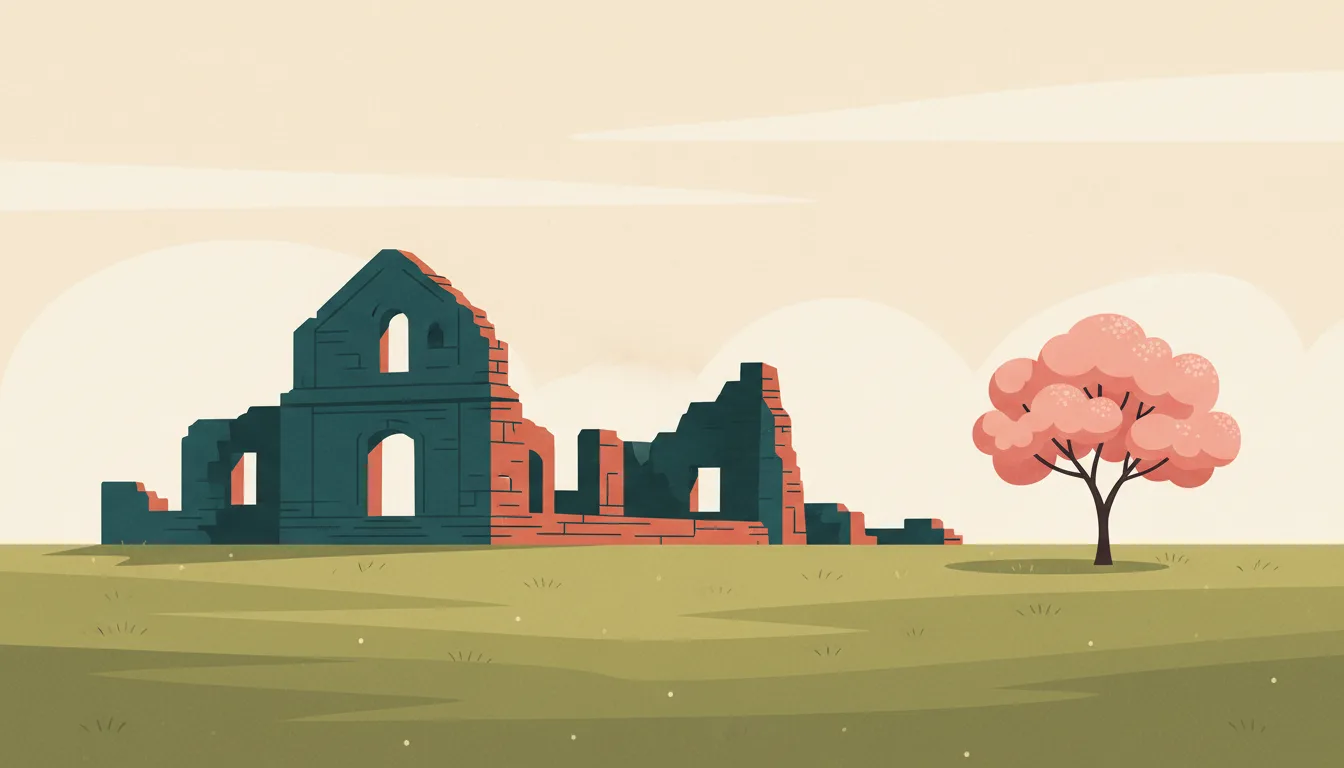
travel base2–3 daysTrinidad and Jesús de Tavarangue are the best-preserved Jesuit-Guaraní missions in South America and are almost empty. Encarnación adds a river beach, the Carnaval and a bridge to Argentina.
Best time: April–June and September–November
Explore Encarnación & the Jesuit missions - 03
Ciudad del Este & Itaipú
Río de la Plata
city1–2 daysThe city itself is a chaotic trading hub, but Itaipú's free technical tour, the Monday falls and the Brazilian and Argentine Iguazú parks across the border make a worthwhile stop on the eastern route.
Best time: April–June and September–November
Explore Ciudad del Este & Itaipú - 04
The Chaco & Filadelfia
Río de la Plata
travel base3–4 daysWest of the river the country turns into thorn scrub, salt lagoons and ranches. Filadelfia's Mennonite colonies are the base for wildlife tracks, Indigenous communities and the road to Defensores del Chaco, with a driver essential.
Best time: December–April, adjusted for the coast
Explore The Chaco & Filadelfia - 05
Concepción & the Paraguay river
Río de la Plata
travel base2–3 daysConcepción is a faded river port with grand nineteenth-century houses. It is the departure point for river passages north toward Bahía Negra and the Paraguayan Pantanal, when boats are running.
Best time: December–April, adjusted for the coast
Explore Concepción & the Paraguay river - 06
Areguá & Lake Ypacaraí
Río de la Plata
town1–2 daysAreguá's pottery workshops, colonial streets and strawberry season, with San Bernardino's summer lakefront across the water, make an easy Circuito de Oro day or overnight from Asunción.
Best time: April–June and September–November
Explore Areguá & Lake Ypacaraí
Things to do
What should you do in Paraguay?
Not a bucket list — the handful of things that make this country this country, with the timing catch that stops people doing them well.
- 01
Walk the missions at dusk
Trinidad and Jesús de Tavarangue
Late afternoon light on the red sandstone is the moment; Trinidad also stages an evening light-and-sound show on some nights, so check current times.
- 02
Learn tereré before the heat does
Asunción and everywhere
The cold yerba mate infusion with medicinal herbs is a social ritual; accepting a guampa from a stranger is how conversations start.
- 03
Take the Itaipú technical tour
Hernandarias, north of Ciudad del Este
The free guided visits inside the dam are far better than the panoramic bus; register with identification in advance.
- 04
Spend a night at a Chaco estancia
Around Filadelfia and Loma Plata
Ranch stays give access to giant anteaters, tapir tracks and salt-lagoon birdlife that day trips from town cannot reach.
- 05
See the Guaraní language at work
Markets and rural towns
Paraguay is the only Latin American country where an Indigenous language is spoken by the non-Indigenous majority; listen in the mercados.
- 06
Sit on the Costanera at sunset
Asunción and Encarnación
Both riverfronts are where cities gather in the evening; the Asunción bay also reveals the flood-prone Chacarita neighbourhood behind it.
How to get around
How do you get around Paraguay?
Long-distance buses are the backbone: comfortable coaches link Asunción with Encarnación, Ciudad del Este, Concepción and Filadelfia on paved routes. Domestic flights are few and rarely useful. Inside the Chaco and around the missions a hired car or driver converts long waits into useful days, while river passages north of Concepción depend on cargo-passenger boats whose schedules change.
Long-distance coach
Frequent buses from Asunción's terminal reach Encarnación and Ciudad del Este in five to six hours and Filadelfia in seven; choose a semi-cama or cama seat for overnights and keep valuables with you.
Rule of thumb: Between the six places → take the bus, then hire local transport for the last stretch.
Hired driver or 4x4
Essential for the Chaco beyond Filadelfia and useful for the mission circuit and Circuito de Oro; self-driving is possible on paved routes but unsealed Chaco tracks flood and trap two-wheel-drive cars.
River boats
Cargo-passenger boats run irregularly north from Concepción toward Vallemí and Bahía Negra; sailings are cancelled with low water or mechanical problems, so treat them as a bonus rather than a plan.
Asunción buses, taxis and apps
City buses are cheap but confusing; ride-hailing apps and metered taxis are inexpensive and safer at night. The historic centre and Costanera are walkable in the cooler hours.
Passes and cards, honestly
- There is no national transport or attraction pass; bus tickets are bought per journey at the terminal or online.
- Itaipú's tours are free but require advance registration with identification; the missions charge a small combined ticket valid for several days.
Travel tips
What should you know before you go?
The things locals assume you know. Most travellers learn them by getting one wrong on day two.
- Guaraní is not a museum language
- Around ninety per cent of Paraguayans understand it and most speak jopara daily. A few words open doors that Spanish alone does not.
- The Triple Alliance war still shapes the country
- The 1864–70 war killed a majority of the population; museums, place names and national identity refer to it constantly. Read a little before you arrive.
- Mennonite colonies are private communities
- Filadelfia, Loma Plata and Neuland are working towns with their own institutions; visit museums and cooperatives, but do not treat residents as exhibits.
- Indigenous Chaco communities have a hard present
- Enxet, Nivaclé and Ayoreo peoples face land and water pressure; buy crafts directly and follow community guidance on visits and photographs.
- Siesta and Sunday are real
- Shops close for early afternoon in the heat and much of the country shuts on Sundays; family asado and a long lunch are the plan, not an interruption.
Travel basics
Visa, money, SIM cards and more
The boring section, which is why it is the one people skip and then regret at the airport.
visa
Check entry by nationality
Most European, South American and many other passports get 90 days without a visa; some nationalities pay an arrival fee or need advance visas. Confirm with Paraguay's migration authority before booking.
money
Guaraníes in large notes and cash outside cities
Prices run to hundreds of thousands of guaraníes. Cards are normal in Asunción, Encarnación and Ciudad del Este; carry cash for buses, missions, Chaco towns and villages, and withdraw before leaving the capital.
connectivity
Buy a local SIM and expect gaps
Tigo, Personal and Claro SIMs are cheap and cover the eastern corridors well; the Chaco interior and river routes lose signal for hours, so download maps and confirmations.
plugs
Type C sockets on 220 V
European two-round-pin plugs are standard; older buildings may have loose or unearthed sockets, so a surge-protected adapter is sensible for laptops.
safety
Fine in most places, careful in a few
Asunción and the tourist corridors are calm with ordinary petty-crime precautions. Ciudad del Este's border zone needs daytime common sense, and parts of the north-eastern departments have armed-group activity that advisories flag; check current guidance before going off route.
health
Dengue, heat and a yellow-fever certificate
Dengue outbreaks peak in the hot months, so use repellent and cover up; heat exhaustion is a real risk from October to March. Yellow-fever vaccination is recommended and some onward countries require proof.
Trip costs
How much does a trip to Paraguay cost?
A mid-range trip usually needs about €40–€90 per person per day, before long-haul flights. Paraguay is among the cheapest countries in South America for food, buses and mid-range rooms. The costs that rise quickly are Chaco logistics, where a driver and 4x4 are the only practical option, and any river passage north, where boats are infrequent and cabins limited.
Shoestring
€€25–40
per person / day
- Stay
- Hostel dorm or simple hospedaje
- Food
- Market lunches, chipa and empanadas
- Transport
- Long-distance buses
The whole eastern route works at this level; the Chaco does not.
Mid-range
€€40–90
per person / day
- Stay
- Good hotel or estancia room
- Food
- Restaurants in Asunción and Encarnación
- Transport
- Buses with a hired driver for the missions or Chaco days
The realistic level for a route that includes a Chaco chapter.
Comfortable
€€110–220
per person / day
- Stay
- Boutique hotel or upmarket ranch
- Food
- Asunción's best kitchens and private guides
- Transport
- Private driver and 4x4 throughout
Buys time, air-conditioned transfers and access to remote reserves.
Sample itineraries
Starting points, not scripts
Each of these is a real request you could hand to Menta as written. Change the people, the month and the pace; the structure will hold.
Capital and the missions
8 days- Asunción
- Areguá
- Encarnación
- Trinidad and Jesús
- Asunción
The essential Paraguay in a week, using buses and one hired driver day for the missions.
The eastern corridor
11 days- Asunción
- Encarnación
- Jesuit missions
- Ciudad del Este
- Itaipú
- Iguazú
- Asunción
A triangle through the missions, the dam and a border hop to the Iguazú falls before returning to the capital.
River and Chaco
14 days- Asunción
- Encarnación
- Asunción
- Filadelfia
- Chaco estancia
- Concepción
- Asunción
The full country: missions first, then a 4x4 Chaco chapter with a ranch stay and a river-town finish.
Common questions
Quick answers about travel in Paraguay
Short answers to the questions people ask before they book. Use the full guide for the detail and trade-offs.
- When is the best time to visit Paraguay?
- May–September for bearable temperatures; avoid the January–February heat unless Carnaval is the point. Paraguay has a subtropical climate with hot, wet summers and mild, drier winters. From May to September afternoons sit in the low to mid twenties and nights can drop close to freezing on the odd polar-front day, which is the comfortable window for the missions, the Chaco and long bus days. October to March brings 30–40 °C heat, high humidity, thunderstorms and dengue season, though Encarnación's Carnaval and the river beaches are summer affairs. The Chaco is hotter and drier than the east in every month.
- How much does a trip to Paraguay cost?
- Plan about €40–€90 per person per day for a mid-range trip, before long-haul flights. Paraguay is among the cheapest countries in South America for food, buses and mid-range rooms. The costs that rise quickly are Chaco logistics, where a driver and 4x4 are the only practical option, and any river passage north, where boats are infrequent and cabins limited.
- How do you get around Paraguay?
- Long-distance buses are the backbone: comfortable coaches link Asunción with Encarnación, Ciudad del Este, Concepción and Filadelfia on paved routes. Domestic flights are few and rarely useful. Inside the Chaco and around the missions a hired car or driver converts long waits into useful days, while river passages north of Concepción depend on cargo-passenger boats whose schedules change.
More destinations
Where else?
- JapanA megacity, a thousand temples and trains that leave to the second.
- ChinaImperial capitals, fast trains, regional tables and landscapes at continental scale.
- ItalyThree civilisations' worth of cities, and lunch takes two hours.
- SpainEurope's longest high-speed rail, five cultures, and lunch at three.
- PortugalTwo hilly cities, a valley of port and a long Atlantic coast.
- GreeceAntiquity, two hundred inhabited islands and a ferry timetable to respect.
- IcelandOne road, no trains, and weather that rewrites the plan daily.
- ThailandStreet food, temples, two coasts and Asia's cheapest good hotel room.
- VietnamTwo capitals, one slow railway and the best street food in Asia.
- MoroccoMedinas, the High Atlas and the Sahara, a ferry ride from Europe.
- MexicoA 3,000-year-old civilisation, the best street food on earth, and two coastlines.
- Costa RicaCloud forest, two coasts, volcanoes and wildlife best seen slowly.
- The BahamasShallow banks, island towns and water-led journeys between cays.
- BarbadosCoral coasts, Bajan food and an island with several speeds.
- CubaLayered cities, karst valleys and a journey that needs patience.
- Dominican RepublicCaribbean cities, mountain interiors and coasts beyond the resort gate.
- JamaicaMusic, mountain rain, strong food and coasts with different rhythms.
- FranceGreat cities, long lunches, mountains and a coast for every mood.
- United KingdomHistoric cities, wild coastlines and weather worth planning around.
- GermanyBig culture, small cities, forests and trains with caveats.
- NetherlandsCanals, art, cycling and small cities that reward staying longer.
- CroatiaAdriatic islands, stone towns, clear water and a crowded August.
- TurkeyMosques, markets, ancient cities and coastlines on a huge scale.
- SwitzerlandAlps, lakes and trains that make the expensive route feel simple.
- AustriaImperial cities, Alpine lakes, music and excellent rail links.
- NorwayFjords, midnight light, coastal towns and beautiful long distances.
- SwedenArchipelagoes, forests, design and summer light that lasts.
- FinlandLakes, saunas, forests and a capital built for slow days.
- CzechiaBeautiful old towns, serious beer and an easy train route beyond Prague.
- PolandDeep history, lively cities, forests, lakes and mountain food.
- IrelandAtlantic cliffs, music-filled towns, green roads and weather in charge.
- AustraliaBig distances, old landscapes, city beaches and wildlife in the wild.
- New ZealandVolcanoes, fjords, coast roads and a country made for the outdoors.
- IndonesiaVolcanoes, rice fields, reefs and thousands of islands to choose from.
- South KoreaFast cities, quiet temples, mountain trails and food at every hour.
- United StatesHuge landscapes, distinct cities and a route that must respect the map.
- CanadaBig wilderness, thoughtful cities and distances that need their own plan.
- ArgentinaBig-city appetite, Andean wine country and Patagonia at full scale.
- BrazilAtlantic cities, living cultures and continental-scale nature.
- ChileDesert sky, Pacific cities, volcano lakes and Patagonian wind.
- ColombiaHighland cities, Caribbean history and coffee-country roads.
- PeruAndean cities, living food cultures and Amazon headwaters.
- IndiaMughal cities, desert forts, sacred rivers and a monsoon coast.
- Sri LankaTea hills, ancient cities and two coasts with opposite seasons.
- NepalHimalayan trails, Newar cities and lowland jungle in one country.
- MalaysiaHawker cities, tea hills, island coasts and Bornean rainforest.
- PhilippinesIsland archipelago where the flight map decides the trip.
- CambodiaAngkor's stone, the Mekong's rhythm and a country still healing.
- TaiwanNight markets, high-speed rail and a mountainous Pacific island.
- LaosSlow Mekong days, mountain roads and a new railway.
- United Arab EmiratesSeven emirates, two big cities and a mountain-and-desert hinterland.
- JordanPetra, Wadi Rum and the Dead Sea on one compact road.
- OmanForts, wadis, dunes and turtle beaches on the Arabian Sea.
- EgyptThe Nile corridor, Red Sea reefs and five thousand years in sequence.
- South AfricaTwo oceans, self-drive safari and cities with unfinished histories.
- KenyaSavannah, highlands and a Swahili coast, sequenced by rain.
- TanzaniaThe northern circuit, Kilimanjaro and Zanzibar, priced honestly.
- NamibiaSelf-drive desert, empty roads and Africa's darkest skies.
- BelgiumFlemish art cities, Brussels institutions and forested Ardennes valleys.
- DenmarkCopenhagen design, island villages and long Jutland beaches.
- HungaryThermal baths, Danube grandeur, wine hills and the Great Plain.
- SloveniaAlpine lakes, an emerald river, karst caves and a Venetian coast.
- GeorgiaCaucasus villages, eight-thousand-year wine and a serious table.
- MontenegroA fjord-like bay, limestone peaks and a short, crowded coast.
- AlbaniaOttoman towns, an Ionian riviera and a raw alpine north.
- RomaniaSaxon towns, Carpathian wilderness and Europe's largest wetland.
- BulgariaMonasteries, mountain villages and a working Black Sea coast.
- SlovakiaAlpine peaks, castle ruins and wooden churches on a rail spine.
- Bosnia and HerzegovinaOttoman bazaars, stone bridges and wild rivers between mountains.
- EstoniaMedieval Tallinn, bog boardwalks, island manors and long white nights.
- LatviaArt Nouveau Riga, castle valleys, a wooden spa coast and deep forest.
- LithuaniaBaroque Vilnius, a dune spit, lake castles and pine spa towns.
- MaltaLimestone capital, Neolithic temples, harbour ferries and Gozo's slow coast.
- CyprusDivided capital, mosaic coast, painted mountain churches and a wild peninsula.
- SingaporeA dense, humid city-state that rewards districts, not landmarks.
- MaldivesAtolls, reefs and two very different ways to stay.
- BhutanHimalayan valleys, dzongs and a daily fee that shapes everything.
- UzbekistanSilk Road cities linked by fast trains and desert roads.
- EthiopiaRock churches, highland monasteries and a distinct calendar.
- UgandaGorillas, chimpanzees, the Nile and crater-lake forests.
- RwandaGorilla volcanoes, tea hills and a compact, orderly country.
- BotswanaDelta floods, elephant rivers and empty Kalahari pans.
- ZambiaWalking safaris, wild rivers and the Zambian side of Victoria Falls.
- MadagascarLemurs, baobabs and an island that evolved apart.
- MauritiusLagoon coasts, a volcanic interior and a Creole, Indian and Chinese island.
- TunisiaCarthage, medinas, Roman arenas and the Saharan oases.
- GuatemalaMaya highlands, volcano lakes and a Petén forest of ruins.
- PanamaCanal city, Caribbean archipelagos and cloud-forest coffee.
- EcuadorVolcano avenue, cloud forest, Amazon edge and the Galápagos.
- BoliviaAltiplano salt, Aymara cities and a wide Amazon lowland.
- UruguayCalm capital, Atlantic beaches and slow wine country.
- FijiReef islands, village life and two big green mainlands.
- SerbiaDanube cities, monastery hills and long-table hospitality.
- North MacedoniaOhrid's lake, Ottoman bazaars and mountain villages in a small compass.
- KosovoEurope's youngest country: café capital, Ottoman Prizren and alpine valleys.
- MoldovaUnderground wine cities, cliff monasteries and Europe's least-visited country.
- ArmeniaStone monasteries, Ararat views and a capital that stays up late.
- AzerbaijanCaspian capital, mud volcanoes and Caucasus villages above the tea plains.
- LuxembourgFortress capital, Moselle wine and Ardennes castles by free bus.
- AndorraPyrenean principality of ski valleys, Romanesque chapels and thermal spas.
- Faroe IslandsEighteen basalt islands of sea cliffs, tunnels and turf-roofed villages.
- GreenlandIcebergs, ice sheet and Inuit towns reached only by air and sea.
- KazakhstanTian Shan foothills, steppe capital and canyon country by air.
- KyrgyzstanYurt stays, alpine lakes and horse treks in the Tian Shan.
- TajikistanPamir Highway, Wakhan villages and turquoise Fann lakes.
- PakistanMughal Lahore and the Karakoram, planned region by region.
- BangladeshRiver delta, mangrove tigers, tea gardens and Dhaka's old city.
- Hong KongVertical harbour city, outlying islands and surprising country parks.
- BruneiWater village, gilded mosques and untouched Borneo rainforest.
- Timor-LesteReef walls, mountain villages and a young nation's coastline.
- Saudi ArabiaNabataean tombs, Red Sea reefs and a fast-changing kingdom.
- QatarA compact Gulf peninsula built around one polished capital.
- GhanaAtlantic forts, Ashanti heritage and a warm, workable West Africa.
- SenegalDakar's music, Gorée's memory and delta and river landscapes.
- Cape VerdeTen Atlantic islands of morna, volcanoes and trade winds.
- SeychellesGranite islands, coral atolls and Creole ease in the Indian Ocean.
- MozambiqueIndian Ocean coast, dhow islands and a restored savanna.
- ZimbabweVictoria Falls, walking safaris and Africa's largest ancient stone city.
- MalawiA freshwater sea, restored parks and high plateaus in one small country.
- EswatiniA small kingdom of royal ceremony, rhino reserves and highveld hikes.
- LesothoThe mountain kingdom: pony treks, high passes and Basotho villages.
- BelizeBarrier reef, Maya cities and Garifuna coast in one small country.
- HondurasBay Islands diving, Copán's carved city and cloud-forest highlands.
- El SalvadorSurf coast, volcano towns and a small country in rapid change.
- NicaraguaColonial cities, twin-volcano island and two very different coasts.
- Trinidad and TobagoCarnival, ibis and doubles on Trinidad; reef and calm on Tobago.
- Saint LuciaThe Pitons, rainforest ridges and Kwéyòl villages on one green island.
- SamoaTwo volcanic islands, village fales and fa'a Samoa on its own terms.
- TongaA Polynesian kingdom of four island groups, whales and strict Sundays.
- VanuatuActive volcanoes, kastom villages and eighty islands of Melanesia.
- Cook IslandsRarotonga's ring road, Aitutaki's lagoon and atolls nobody reaches.











































Paraguay is a good trip. Make it your trip.
Everything on this page is context Menta already has. Add the people going, the dates and what you actually care about, and the plan starts smarter than a blank chat.
Two journeys free. No payment details. 0 % markup on bookings.
Start planning ParaguayGuide last reviewed 2026-09. Check visa rules against your own passport before you book.