
Santa Catalina & Coiba: what to expect
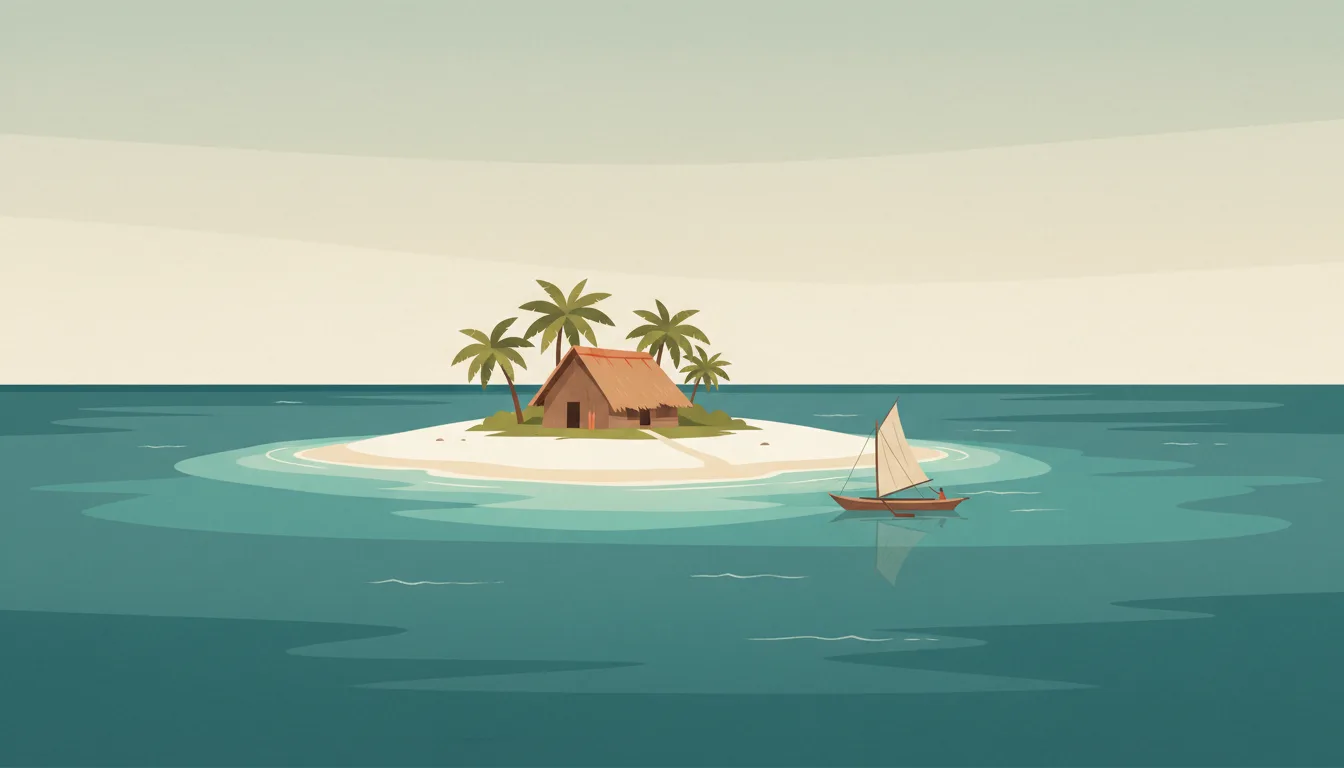
Santa Catalina is a small road-end village with a world-class wave and the boats to Coiba, a former penal colony whose reefs and forest now form Panama's richest dive and wildlife site. This travel base guide groups the destination into six useful areas so the stay works on the ground, not only on a country map.
Is this your trip?
Who Santa Catalina & Coiba is for
Diving travellers
Santa Catalina is a small road-end village with a world-class wave and the boats to Coiba, a former penal colony whose reefs and forest now form Panama's richest dive and wildlife site.
Travellers with 2–4 days
That window gives Santa Catalina & Coiba enough room for one anchor area and one contrasting cluster per day.
Surf break
La Punta and Playa Estero make that interest practical rather than a country-level promise.
Area-led planners
Six fixed clusters make it easier to choose a base and avoid repeated cross-destination transfers.
Maybe not for you: A compressed checklist is the weak version of Santa Catalina & Coiba. Treat the suggested stay as time on the ground: weather, timed entry, ferries or mountain roads can remove half a day.
Season by season
When to visit Santa Catalina & Coiba
December–April, adjusted for the coast. Rounded tropical-seasonal planning normals: warm year-round with a clear dry and green-season rhythm. Conditions can still change sharply by elevation, coast and exposure, so use the chart for route timing and the current forecast for the day itself.
- Best
Dry season
December–April
Reliable mornings and easier roads, with peak prices and dust in exposed areas.
- Good
Early green
May–July
Lush landscapes and afternoon rain often make a strong value window.
- Mixed
Wet peak
August–October
Heavy rain can reshape roads, rivers and sea conditions.
- Good
Transition
November
Rain eases unevenly before high season fully returns.
Weather · monthly normals
Rounded tropical-seasonal planning normals: warm year-round with a clear dry and green-season rhythm. Values are rounded planning normals rather than a live forecast.
Do fewer things better
Things to do in Santa Catalina & Coiba
A short, ordered set of experiences with the timing or planning catch that makes each one work.
- 1
Start with Santa Catalina village
Santa Catalina village
Small road-end village with hostels, surf camps and boat operators
- 2
Walk La Punta without stacking it
La Punta
Powerful right-hand point break at the end of the village track
- 3
Use Playa Estero for beginner surf and sunset
Playa Estero
Long sand beach fifteen minutes on foot from the village
- 4
Give Coiba ranger station a deliberate half-day
Coiba ranger station
Gulf of Chiriquí island with campsites and permit control
- 5
See Granito de Oro & Coiba reefs outside peak hours
Granito de Oro & Coiba reefs
Small island and reef sites with sharks, turtles and rays
- 6
Keep Soná & Santiago weather-flexible
Soná & Santiago
Inland towns for buses, banks and the last big supermarkets
Treat the suggested stay as time on the ground: weather, timed entry, ferries or mountain roads can remove half a day.
Area by area
The areas of Santa Catalina & Coiba
A real map at local-city scale: enough geography to choose a base, compare areas and group a day. Numbered places match the notes below.
| Area | What it is like | Why go |
|---|---|---|
1 Santa Catalina village first base and dive shops | Small road-end village with hostels, surf camps and boat operators | Use Santa Catalina village when first base and dive shops matters more than crossing the whole destination. |
2 La Punta surf break | Powerful right-hand point break at the end of the village track | Use La Punta when surf break matters more than crossing the whole destination. |
3 Playa Estero beginner surf and sunset | Long sand beach fifteen minutes on foot from the village | Use Playa Estero when beginner surf and sunset matters more than crossing the whole destination. |
4 Coiba ranger station park base and beaches | Gulf of Chiriquí island with campsites and permit control | Use Coiba ranger station when park base and beaches matters more than crossing the whole destination. |
5 Granito de Oro & Coiba reefs snorkelling and diving | Small island and reef sites with sharks, turtles and rays | Use Granito de Oro & Coiba reefs when snorkelling and diving matters more than crossing the whole destination. |
6 Soná & Santiago transport and supplies | Inland towns for buses, banks and the last big supermarkets | Use Soná & Santiago when transport and supplies matters more than crossing the whole destination. |
Choose the base, then the hotel
Where to stay in Santa Catalina & Coiba
For most first visits: Santa Catalina village for first base and dive shops.
Santa Catalina village
Small road-end village with hostels, surf camps and boat operators Choose it when that trade-off should shape mornings and evenings.
La Punta
Powerful right-hand point break at the end of the village track Choose it when that trade-off should shape mornings and evenings.
Playa Estero
Long sand beach fifteen minutes on foot from the village Choose it when that trade-off should shape mornings and evenings.
Coiba ranger station
Gulf of Chiriquí island with campsites and permit control Choose it when that trade-off should shape mornings and evenings.
Order with a point of view
What to eat in Santa Catalina & Coiba
Local food is more useful as an area decision than as a checklist of famous dishes.
- 01
Sancocho de gallina
Santa Catalina village
The national chicken and culantro soup is a lunch, a hangover cure and a Sunday ritual
- 02
Fresh corvina ceviche
La Punta
Pacific fish with lime and onion at the Mercado de Mariscos is the capital's best cheap meal
- 03
Rondón and coconut rice
Playa Estero
Afro-Antillean seafood stew and rice with coconut belong to Bocas del Toro and Colón
- 04
Fonda plate with patacones
Coiba ranger station
A market fonda serves rice, beans, stewed meat and fried plantain for a few dollars
- 05
Geisha coffee at origin
Granito de Oro & Coiba reefs
Boquete's famous varietal is best tasted at the farm that grew it, with a cupping session
Useful on the ground
Local tips for Santa Catalina & Coiba
Plan the transfer, not only the distance
Treat the suggested stay as time on the ground: weather, timed entry, ferries or mountain roads can remove half a day.
Onward ticket and funds
Immigration may ask for proof of onward travel and sufficient funds; check the current stay length and fee rules for your passport before departure.
US dollars in small notes
The dollar is legal tender and balboa coins circulate at par; cards are widely accepted in the capital, while islands and the Azuero need cash and ATMs are scarce.
Prepaid SIM from Tigo or Más Móvil
Coverage is strong on the Pan-American and weak in Guna Yala, Coiba and the Bocas outer islands; save tickets and maps offline.
Type A and B sockets
Panama uses 120 V with North American flat-pin sockets; European travellers need an adapter and should check appliance voltage ranges.
Common questions
Quick answers about Santa Catalina & Coiba
- When is the best time to visit Santa Catalina & Coiba?
- December–April, adjusted for the coast. Rounded tropical-seasonal planning normals: warm year-round with a clear dry and green-season rhythm. Conditions can still change sharply by elevation, coast and exposure, so use the chart for route timing and the current forecast for the day itself.
- How many days do you need in Santa Catalina & Coiba?
- 2–4 days. Santa Catalina is a small road-end village with a world-class wave and the boats to Coiba, a former penal colony whose reefs and forest now form Panama's richest dive and wildlife site. This travel base guide groups the destination into six useful areas so the stay works on the ground, not only on a country map.
- Where should you stay in Santa Catalina & Coiba?
- Santa Catalina village for first base and dive shops. Small road-end village with hostels, surf camps and boat operators Choose it when that trade-off should shape mornings and evenings.
Keep building the route
Santa Catalina & Coiba is part of Panama
Use the country guide for visa, money, long-distance transport and the route between cities. Then compare the other worked-out stops below.