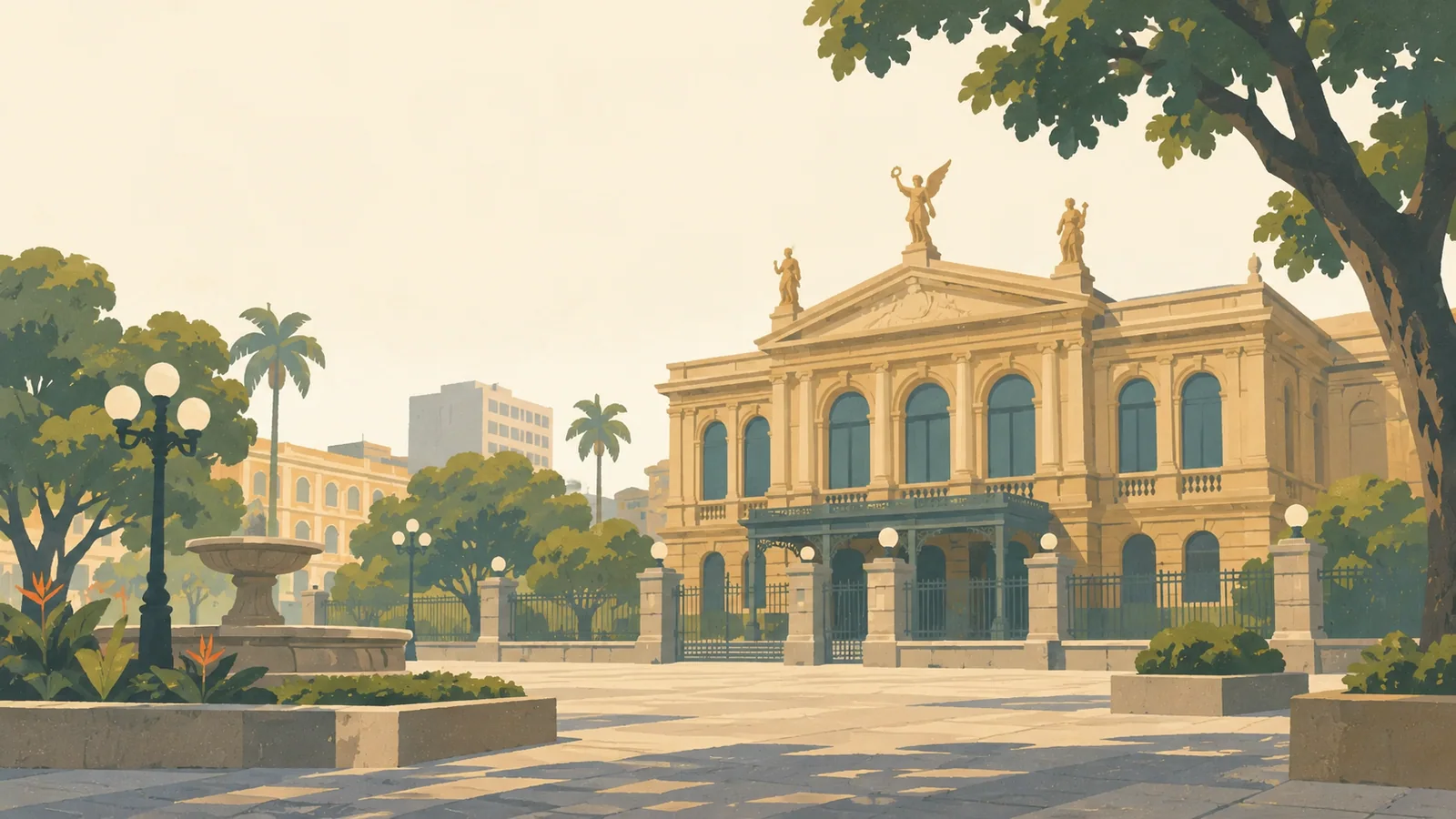


San José: what to expect
San José rarely needs half a holiday, but it deserves more than an airport hotel. One well-placed day connects pre-Columbian collections, markets, coffee-era architecture and a contemporary food scene before the route divides toward volcanoes, coasts or cloud forest.
Is this your trip?
Who San José is for
Museum travellers
Compact national collections add cultural depth before the nature route.
Food and coffee people
Escalante and the central market move beyond generic resort dining.
Route decompression
A deliberate first or final night protects the international-flight day.
Urban context seekers
The capital explains labour, migration and modern Costa Rica better than a lodge circuit.
Maybe not for you: Do not commute daily from San José to distant parks because the map looks small. Traffic and mountain roads turn apparent day trips into long transport days.
Season by season
When to visit San José
December–April; July often brings a shorter drier spell. The Central Valley is mild all year. Dry-season mornings are clearest; wet-season rain often builds in the afternoon, leaving useful early hours. Evenings feel cooler than either coast.
- Best
Dry season
December–April
Bright mornings, lower rain and peak visitor demand.
- Good
Early green season
May–June
Fresh landscapes and regular afternoon showers, with good morning windows.
- Good
Mid-year break
July–August
Often somewhat drier for a spell, though rain remains possible.
- Mixed
Wettest stretch
September–November
Heavy afternoon rain and slower road conditions; mornings can still work well.
Weather · monthly normals
High-elevation San José stays springlike; rain is strongly seasonal and often falls after midday.
Do fewer things better
Things to do in San José
A short, ordered set of experiences with the timing or planning catch that makes each one work.
- 1
Choose one pre-Columbian collection
Central San José
The Gold Museum and Jade Museum reward focused time; doing both quickly flattens the story.
- 2
Walk the coffee-era centre
National Theatre to Barrio Amón
Architecture and public institutions explain how the coffee economy shaped the capital.
- 3
Eat lunch at Mercado Central
Downtown
Use a busy soda for casado, soup or coffee and keep valuables close in crowded aisles.
- 4
Spend an evening in Escalante
Barrio Escalante
Independent kitchens, breweries and cafés make the city's strongest contemporary cluster.
- 5
Add one nearby volcano only in good conditions
Poás or Irazú
Cloud can erase crater views; use current park reservations and morning weather.
- 6
Visit a coffee farm with real interpretation
Central Valley
Choose a working farm and ask how processing, labour and price shape the cup.
Area by area
The neighbourhoods of San José
A real map at local-city scale: enough geography to choose a base, compare areas and group a day. Numbered places match the notes below.
| Area | What it is like | Why go |
|---|---|---|
1 Barrio Amón heritage stay | Coffee-era houses, small hotels and central museums. | Atmospheric by day; use normal city awareness after dark. |
2 Barrio Escalante food and evenings | Restaurants, cafés and low-rise residential streets. | The best base when dinner quality matters more than historic architecture. |
3 Downtown museums and markets | National Theatre, plazas, markets and busy commercial streets. | Explore by day and move on when offices close. |
4 La Sabana park and airport side | Large city park, museums and hotels toward the airport. | Practical for a final night without sleeping beside the terminal. |
5 Rohrmoser quiet and practical | Residential west-side district with restaurants and business hotels. | Useful for airport access and calmer nights, less walkable for museums. |
6 San Pedro student life | University district, casual food and live venues east of centre. | A more everyday urban scene for repeat visitors. |
Choose the base, then the hotel
Where to stay in San José
For most first visits: Barrio Amón for heritage or Barrio Escalante for food and evenings.
Barrio Amón
Walk to museums and historic streets; check recent hotel access advice.
Barrio Escalante
The easiest neighbourhood to enjoy after the sightseeing day.
La Sabana or west San José
Shorter westbound transfer without the isolation of an airport strip.
Alajuela near the airport
Stay outside San José entirely when departure time is the only decision.
Order with a point of view
What to eat in San José
Local food is more useful as an area decision than as a checklist of famous dishes.
- 01
Casado
Central Market and neighbourhood sodas
Rice, beans, salad, plantain and a main make the country's practical lunch.
- 02
Gallo pinto
Breakfast sodas
Rice and beans with eggs or cheese are worth leaving the hotel buffet for.
- 03
Specialty coffee
Escalante and independent roasters
Ask about region and processing; Costa Rican coffee is not one flavour.
- 04
Contemporary Costa Rican
Barrio Escalante
The best kitchens connect native and farm ingredients without turning them into theatre.
- 05
Olla de carne
Traditional lunch spots
A vegetable-and-beef soup makes particular sense on a cool rainy afternoon.
Useful on the ground
Local tips for San José
The airport is not downtown
Allow for Alajuela traffic in both directions.
Use normal capital-city awareness
Keep phones and bags controlled in markets, bus terminals and quiet streets after dark.
Schedule outdoor sights early
Cloud and rain often build over the Central Valley after lunch.
Bus terminals are fragmented
Different companies leave from different parts of the city; verify the exact terminal.
Do not make San José the road-trip base
Move to the region you are visiting rather than repeating mountain crossings.
Common questions
Quick answers about San José
- When is the best time to visit San José?
- December–April; July often brings a shorter drier spell. The Central Valley is mild all year. Dry-season mornings are clearest; wet-season rain often builds in the afternoon, leaving useful early hours. Evenings feel cooler than either coast.
- How many days do you need in San José?
- 1–2 nights. San José rarely needs half a holiday, but it deserves more than an airport hotel. One well-placed day connects pre-Columbian collections, markets, coffee-era architecture and a contemporary food scene before the route divides toward volcanoes, coasts or cloud forest.
- Where should you stay in San José?
- Barrio Amón for heritage or Barrio Escalante for food and evenings. Walk to museums and historic streets; check recent hotel access advice.
Keep building the route
San José is part of Costa Rica
Use the country guide for visa, money, long-distance transport and the route between cities. Then compare the other worked-out stops below.
- La FortunaA practical volcano town surrounded by water, forest and heat.
- MonteverdeCloud forest, night walks and roads that force a slower plan.
- Manuel AntonioDense rainforest meeting a busy Pacific beach corridor.
- TamarindoAn easy surf town that works best when you know what convenience costs.
- Puerto ViejoAfro-Caribbean culture, rainforest and beaches with their own weather.